US President’s Escalating Rhetoric and the Growing Tensions with Iran
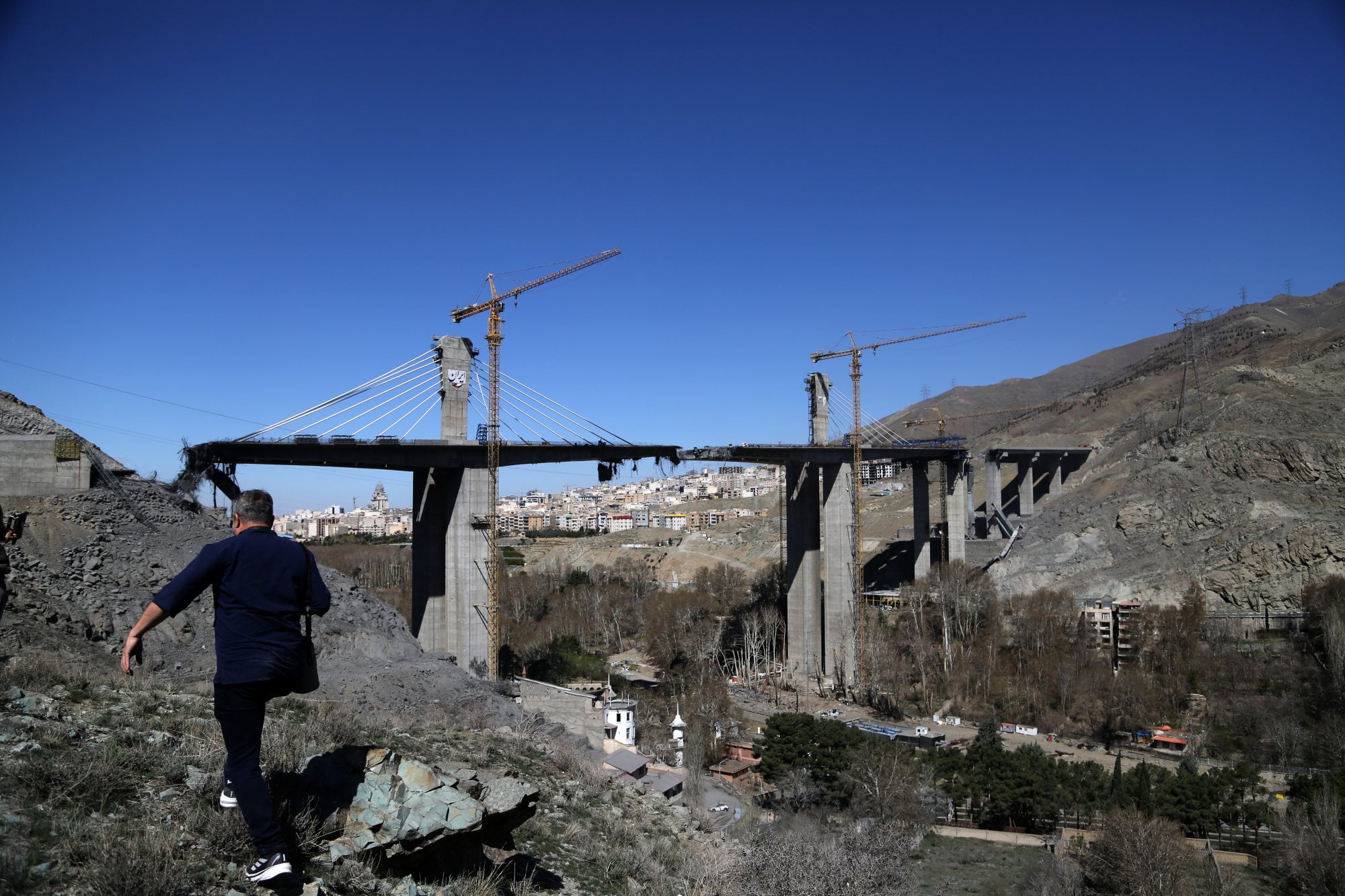
US President Donald Trump has continued to use his platform on social media to express strong opinions, even on a day like Easter Sunday. His recent messages have drawn attention and criticism from various quarters. In one of his posts, he used strong language, threatening to bomb Iranian power plants and bridges if Tehran did not unblock the Strait of Hormuz. The waterway is a crucial route for global oil and gas trade.
Trump’s message was not only direct but also included expletives, which raised concerns among lawmakers and the public. He ended one of his messages with “Praise be to Allah,” which many interpreted as sarcastic. This kind of rhetoric is not uncommon for Trump, who is known for his bold and sometimes controversial statements.
On Easter Sunday, Democratic Senate Minority Leader Chuck Schumer criticized Trump’s behavior, stating that the president was ranting on social media while Americans were celebrating the holiday. Schumer emphasized that such threats could lead to war crimes and alienate allies. He also expressed hope that the country deserves better leadership.
Trump’s recent statements on Truth Social have been particularly intense. He has given multiple deadlines to Iran regarding the situation in the Strait of Hormuz. Initially, he set a 10-day deadline, which expired on Monday evening. Now, he has extended it to 8pm on Tuesday (8am Wednesday Hong Kong time). According to Trump, if Iran does not act by then, they will face severe consequences.
In addition to Trump’s threats, there has been a draft proposal from Egyptian, Pakistani, and Turkish mediators. The proposal suggests a 45-day ceasefire and the reopening of the Strait of Hormuz. However, the conflict has not stopped, with reports of Iranian attacks on Israel, Kuwait, and the United Arab Emirates.
Democratic Senator Chris Murphy criticized Trump’s approach, calling it “completely, utterly unhinged.” He suggested that if he were in Trump’s Cabinet, he would consider the 25th Amendment, which allows for the transfer of power if the president is unable to serve.
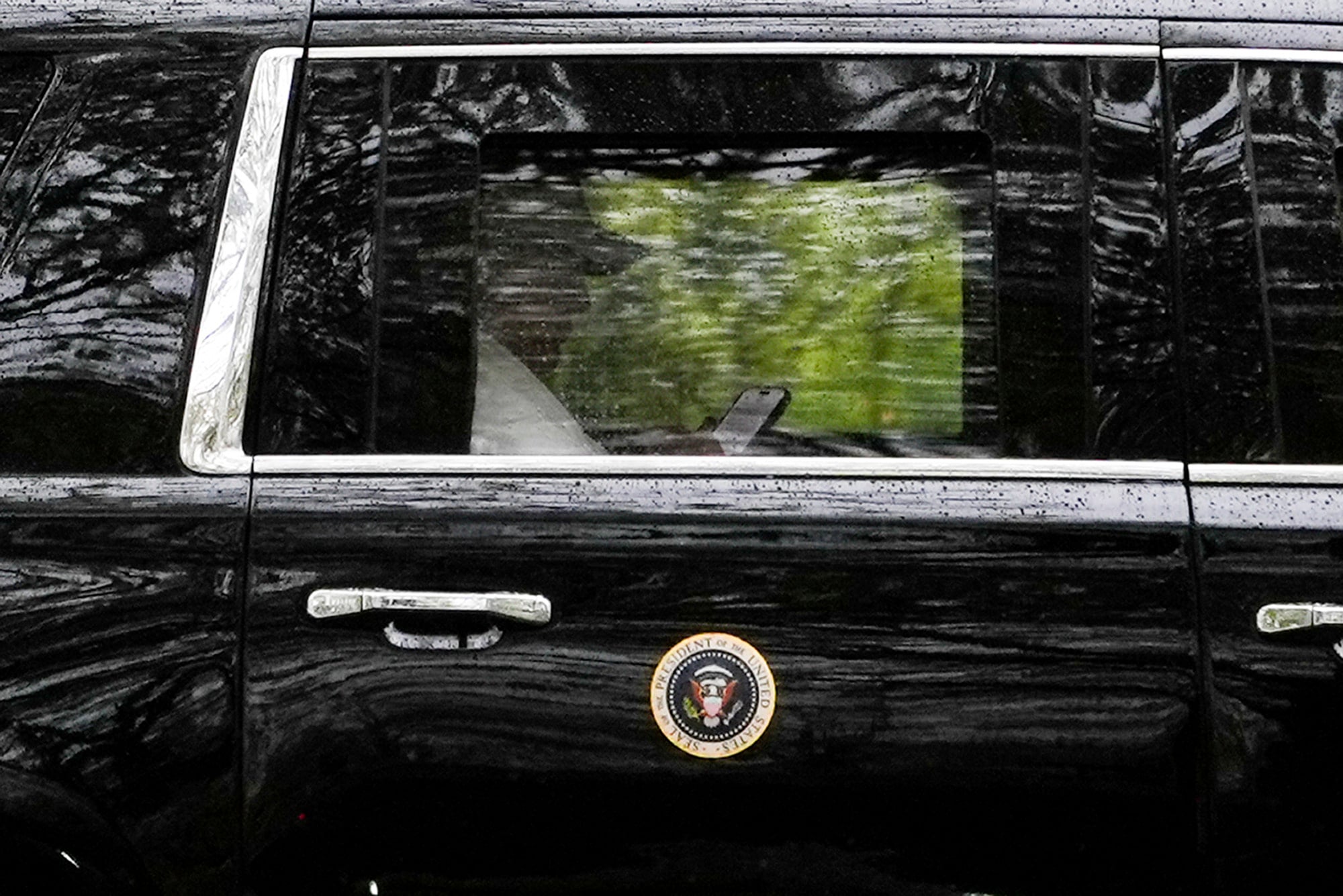
Senator Tim Kaine also commented on Trump’s language, noting that it was not the first time he had used such strong words. Kaine described the administration’s approach as embarrassing and juvenile, highlighting the lack of a clear plan and rationale for the war.
Criticism of Trump’s rhetoric was not limited to Democrats. Marjorie Taylor Greene, a former Trump supporter turned critic, condemned his messages, especially on Easter Sunday. She urged those in Trump’s administration who claim to be Christians to seek forgiveness and intervene in what she called Trump’s madness.
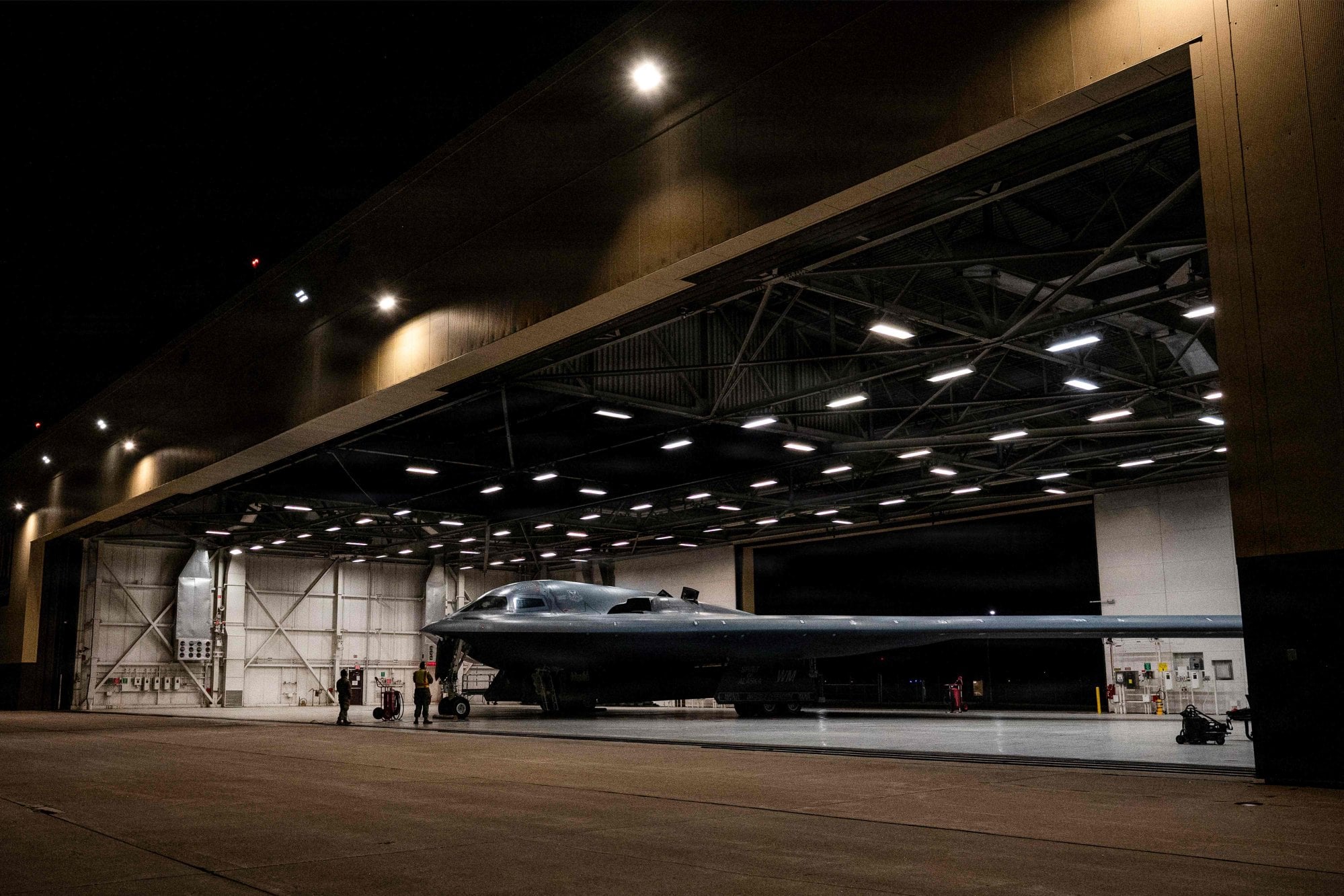
However, not everyone shared this view. Conservative commentator Laura Loomer praised Trump’s fiery rhetoric, expressing support for his actions against Iran. She claimed that Trump’s threats were in line with what she voted for.
On the other hand, the Council on American-Islamic Relations (CAIR) condemned Trump’s comments, calling them reckless and dangerous. They criticized the casual use of religious language in the context of violent threats, arguing that it showed contempt for Muslims and their beliefs.
The religious undertones of the conflict have raised concerns in Washington. Some lawmakers have asked for an investigation into reports that military personnel may have invoked biblical end-time prophecies to justify the war in Iran. They emphasized the importance of maintaining the separation of church and state and ensuring that military operations are guided by facts and the law.
Iran, whose political system is based on Shia Islamic beliefs, often uses religious language in its propaganda, referring to the United States as “the Great Satan” and describing fallen fighters as martyrs.