The Importance of Small Class Sizes and Specialized Support for Students with Special Needs
In recent years, the number of schools in Hong Kong facing closure due to insufficient enrollment has raised concerns among parents of students with special educational needs (SEN). These at-risk institutions often provide better care and instruction than more stable ones, according to parents who believe that smaller class sizes and a focus on SEN education are crucial for their children’s success.
Marcia Ng Mun-chi, co-founder and executive director of the Hong Kong Association for AD/HD, recently voiced her concerns after the Education Bureau announced that 15 public primary schools were at risk of closure. These schools will not be allowed to operate subsidized Primary One classes in the coming academic year due to low enrollment, which authorities say is the highest in recent years.
Ng highlighted that many of these at-risk schools excel in supporting students with SEN. Parents often choose them after seeing their children struggle in mainstream schools, especially elite ones. Most of these parents transferred their children to schools that offered lower teacher-to-student ratios and specialized SEN education.
Why Smaller Classes Matter
Ng acknowledged that some schools may have positioned themselves as SEN-focused institutions after finding themselves at risk of closing. However, over time, they became skilled in providing support for students with special needs. She emphasized that the strength of these schools lies in offering small class sizes, which are essential for SEN students.
Despite the bureau’s claim that 90% of schools have implemented small classes with 25 students, Ng argued that SEN pupils require even smaller classes—20 or fewer students. These schools with low enrollment have been offering such environments, allowing teachers to give more attention to SEN children.
Beyond Academic Performance
Ng noted that even if mainstream schools adopt smaller classes, many remain exam-oriented, prioritizing academic performance over other areas of development. She explained that the usual approach in these schools is to place struggling students in after-school classes, which perpetuates an emphasis on grades and homework while neglecting student welfare.
“Teachers in those schools are not SEN-trained, nor will they adjust the way in which they assess these children,” she said. “Why are schools facing survival risks able to cater to these students? Because they are sensitive to the needs of SEN students and know how to communicate with those kids skilfully.”
She urged authorities not to shut down schools based solely on the number of applications from parents but to consider their strengths in supporting students with special needs. “Only considering the number of applications is market-oriented and it is no different from direct subsidy scheme schools or private schools. It means ignoring these [SEN-focused] schools’ unique strengths,” she said.
The Impact of School Closures
Pinky Tai Ngan-yung, director general of the Special Educational Needs and Parents Association, warned that shutting down schools that are good at taking care of SEN students could push these pupils to apply to more academic-oriented institutions. However, these schools might refuse to admit them, fearing that SEN students could pull down their overall exam performance.
She pointed out that schools facing survival risks can offer smaller classes—some as few as 10 students in a group or fewer—allowing them to receive more attention and care from teachers. “With teachers having more time to guide them, SEN students will be more motivated to learn in such an environment and become willing to read by themselves,” she said.
A Case Study: Fresh Fish Traders’ School
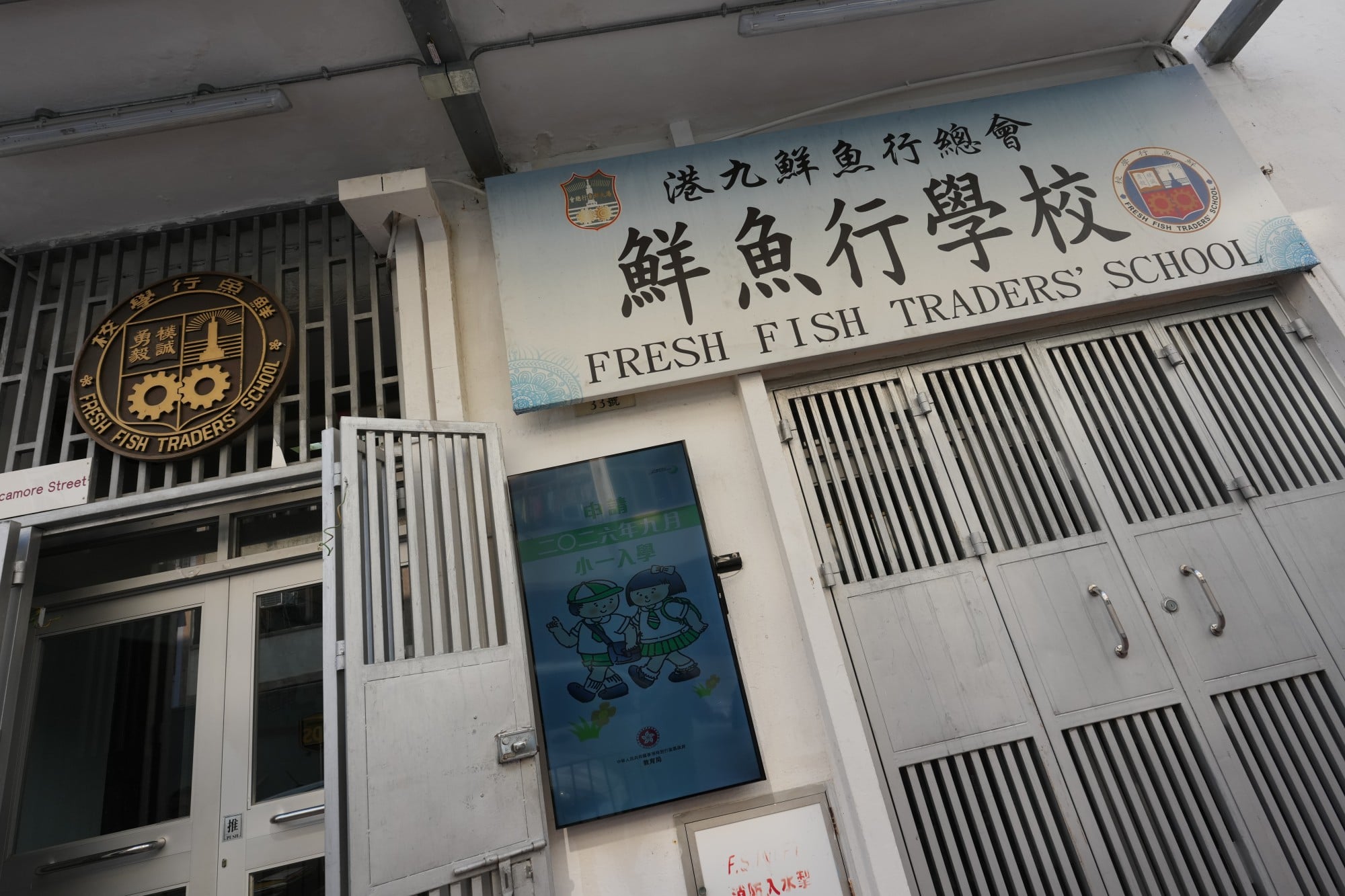
Fresh Fish Traders’ School in Tai Kok Tsui, one of the 15 schools at risk of closure, highlighted its commitment to supporting children with special educational needs in its annual report. The school allocated resources to SEN students, hired additional teaching assistants, implemented small group teaching, and offered after-school learning groups in Chinese, English, and mathematics.
The school also employed speech therapists who set tailored treatment goals for students with speech disorders and conducted therapy sessions to improve students’ language abilities systematically. Additionally, the school arranged for parents to observe therapy sessions, helping them understand their children’s needs and offer support at home.
Government Perspective
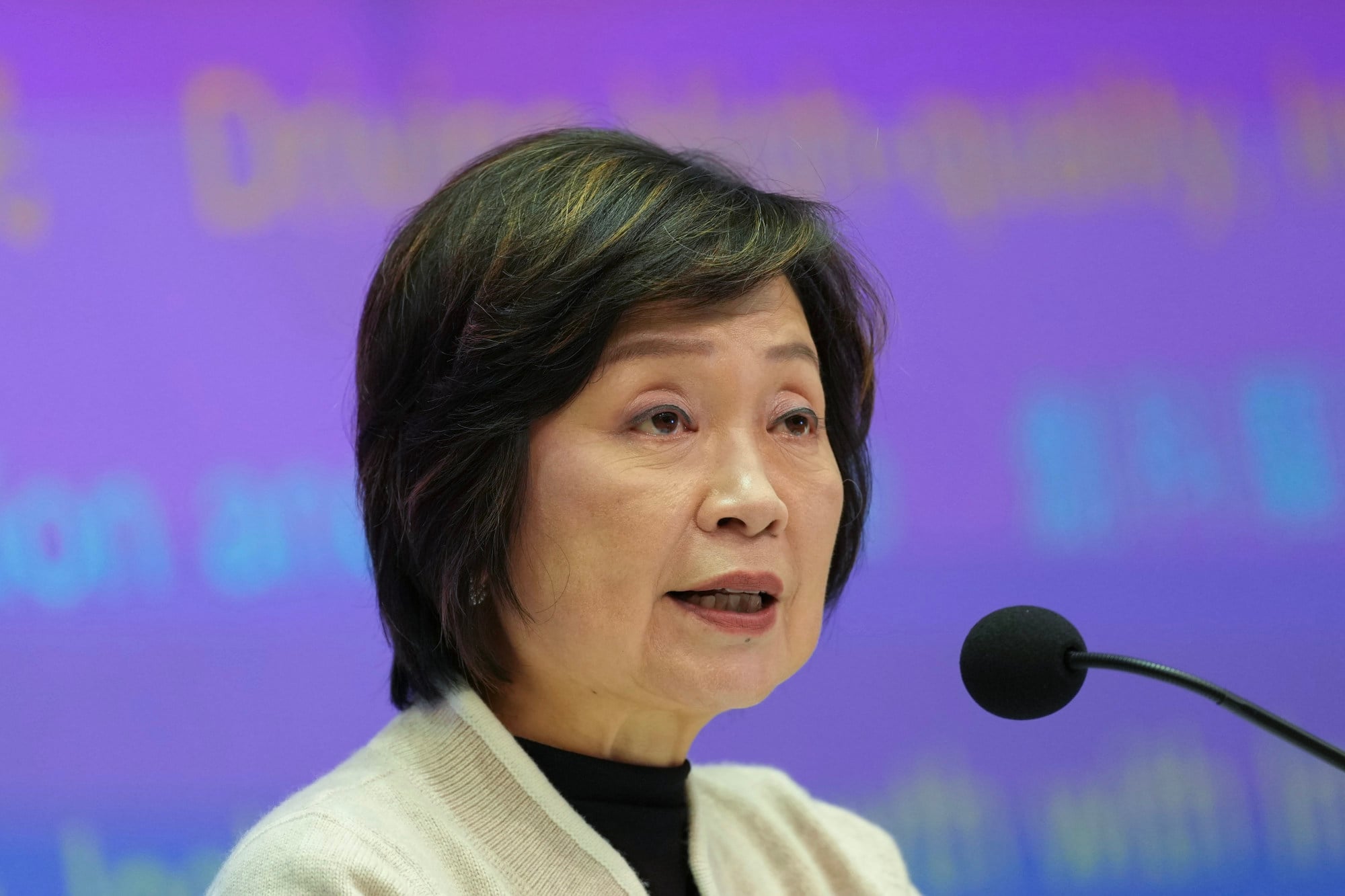
Despite these efforts, Secretary for Education Christine Choi Yuk-lin stated that there is no concept of “specialised schools” for SEN students. She emphasized that children with special needs would be supported through inclusive education, where schools receive support grants based on the number of SEN students they have.
“From my experience in education, I do not think admitting more [SEN] students means specialised schools,” Choi said. “We should use diverse ways to help them integrate with others.”