SMEs Join National Energy Conservation Drive Amidst Middle East Crisis
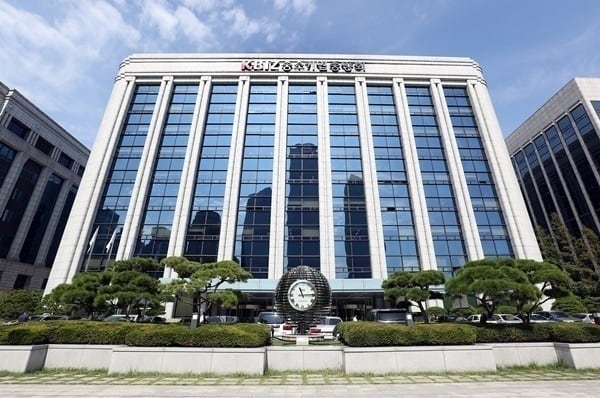
In response to the ongoing energy supply instability fueled by the Middle East crisis, a significant movement towards energy conservation is gaining momentum across South Korea’s business sector. This initiative is now actively engaging Small and Medium-sized Enterprises (SMEs), with a nationwide campaign being spearheaded by the Korea Federation of SMEs (KBIZ).
On the 26th, KBIZ formally announced its commitment to participating in the government’s “12 National Actions for Energy Conservation.” This program will be systematically rolled out to SMEs across the country, aiming to foster a culture of energy saving from the headquarters to the grassroots level. The federation’s efforts will encompass employees at its central headquarters and its 15 regional offices. Furthermore, the initiative will extend to over 600 SME cooperatives and their member companies, with an ambitious target of engaging approximately 2.2 million SMEs and individual small business owners.
The core of KBIZ’s strategy lies in promoting practical and easily implementable energy-saving measures that can be integrated into daily routines, both during commutes and within the workplace.
Key Energy Conservation Measures for SMEs:
-
Commuting Practices:
- Encouraging the use of public transportation.
- Promoting walking as a viable and healthy alternative for shorter distances.
-
Workplace Efficiency:
- Electrical Device Management: Urging employees to conscientiously turn off electronic devices when not in use.
- Waste Reduction: Emphasizing the reduction of single-use items to minimize resource consumption.
- Temperature Control: Implementing operational guidelines to maintain indoor temperatures at a regulated 20°C for heating and 26°C for cooling.
- Lighting Optimization: Mandating the turning off of lights during designated lunchtime breaks.
- Idle Equipment Management: Establishing protocols for managing the power consumption of equipment that is not actively in use.
- Flexible Elevator Operation: Introducing flexible operating schedules for elevators to reduce energy expenditure.
-
Internal Policy Implementation:
- A five-day vehicle restriction system, based on weekday designations, will be introduced for KBIZ federation employees. This measure aims to directly reduce the carbon footprint and fuel consumption associated with commuting.
Kim Ki-mun, the president of KBIZ, underscored the critical importance of this collective effort. “Amid growing energy supply instability due to the Middle East crisis, voluntary conservation efforts by the SME community are crucial,” he stated. “We will work with 2.2 million SMEs and small business owners to spread energy conservation in daily life.”
This proactive stance by KBIZ signifies a strong recognition of the interconnectedness between global energy markets and the operational viability of domestic businesses. By empowering SMEs with actionable conservation strategies, the federation aims to build resilience within the sector and contribute to national energy security. The widespread adoption of these measures is expected to yield significant cumulative savings in energy consumption, thereby mitigating the impact of external price fluctuations and supply disruptions. The initiative also promotes a more sustainable business model, aligning economic activity with environmental responsibility. The success of this program will hinge on effective communication, ongoing support, and the active participation of a vast network of businesses, ultimately demonstrating the power of collective action in addressing pressing economic and environmental challenges.