A Missionary’s Wife in Rhodesia: A Chronicle of Faith, Development, and Shifting Fortunes
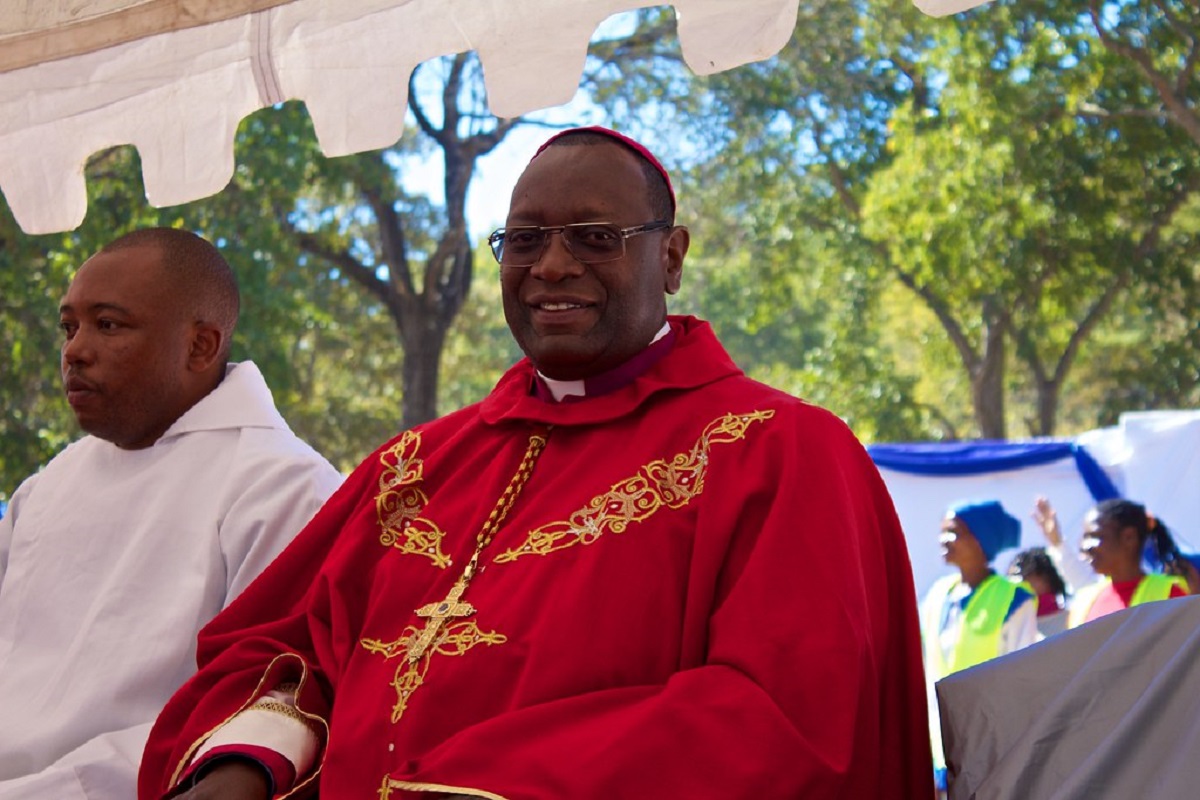
This serialized account offers a compelling glimpse into the life of Constance, the wife of an Anglican curate stationed in Rhodesia during a transformative period. The narrative commences in August 1964, as Constance accompanies her husband to St. Albans Mission in Chiweshe, a significant area within the Mashona heartland. Upon their arrival, the mission presented a scene of disrepair: buildings bore cracked and peeling walls, and the tin roofs of the teachers’ residences sagged precariously. The situation was dire, with the bishop having given the young curate a mere six months to revitalize the mission, or face its closure.
What unfolded at St. Albans Mission became a testament to the power of co-operative development and the empowerment of local communities. Constance actively engaged in initiatives aimed at uplifting the aspiring young girls in the area. She introduced the Girl Guides movement, providing a structured environment for their development. Her contributions extended to teaching essential home crafts, including sewing, preparing new dishes, and the practical skills of milking cows and making cheese and buttermilk. These endeavors were deeply rooted in Christian living and fellowship, forming the bedrock of their shared mission.
The impact of their dedication was soon evident. During a visit from Bishop Kenneth Skelton, he witnessed firsthand the tangible improvements: running water had been installed in the manse, and local carpenter, Mr. Mungate, had renovated the classrooms. Impressed by these developments, the bishop’s initial concerns about closing the mission station evaporated. Instead, he began to envision St. Albans as a central hub for establishing new churches throughout the region, a testament to the successful revitalization.
The narrative also provides insights into the inter-faith and religious cooperation that characterized the era. The Salvation Army Hospital played a crucial role in serving the community, offering free medical services to individuals of all faiths and no faith. It was within the supportive environment of this hospital that Constance gave birth to her eighth child, underscoring the comprehensive care provided to the local population.
Further illustrating the fabric of life during this period, the account touches upon a personal ordeal. Constance and her husband were involved in a car accident and subsequently admitted to Concession Government Hospital. The dedication of the staff was highlighted when Dhliwayo, the head orderly, undertook an overnight journey to inform their children of the accident, demonstrating a commitment that extended beyond professional duty. The text implicitly laments the decline of such essential medical services, which were once taken for granted but have, regrettably, become casualties of mismanagement in later times.
The relationships between the native African population and white settlers are depicted as often being friendly, a stark contrast to the inflammatory narratives sometimes propagated by politicians. The article suggests that historical tensions in other regions, such as the American South and South Africa, were exacerbated by political agendas rather than stemming from inherently hostile intergroup relations. This is further exemplified by the naming conventions within the Makoni family. Boys were named after admired white neighbors or missionaries who demonstrated empathy towards black people. For instance, Robert was named after a friendly white farmer, Robert Bromley, and Stanley after the Dean of Salisbury who baptized him.
A significant point of discussion arises regarding the contributions to education. The article raises the question of whether credit for Zimbabwe’s highly educated populace, boasting an impressive literacy rate of 96%, should be attributed to missionary efforts or to African society itself. Regardless of the attribution, the impact is undeniable. Within Constance’s own family of eight children, three pursued and obtained doctoral degrees overseas, while the remaining five earned Master’s degrees. This widespread educational achievement has a ripple effect, leading to a situation where nearly every family in contemporary Zimbabwe has a member working abroad.
Independence and Economic Disarray
Chapter 7 marks a pivotal shift, introducing the mixed blessings that accompanied independence. The Makoni family was transferred to a rectory in Rusape, a burgeoning town situated along the important Mutare-Beira commercial corridor. For Constance, the pastor’s wife, this new environment presented a wealth of opportunities. The burgeoning need for a driving school was apparent, particularly as many liberation war veterans were being reintegrated into civilian life.
Observing the evolving landscape, Constance noted that for the first time, black entrepreneurs could establish businesses in urban commercial centers, directly competing with established Asian and white businesses. She recognized the potential advantages of opening a general supply company, indicating a proactive approach to seizing new economic possibilities.
While Constance embraced these entrepreneurial avenues, her husband, Julius, returned home to assume a senior position at the Merchant Bank. Having gained experience in both the UK and the US, Julius possessed a keen understanding of monetary policy. His return was met with a growing sense of desperation as he witnessed the systematic dismantling of Zimbabwe’s financial architecture.
The article articulates this economic crisis in straightforward terms: an economy that fails to preserve the value of its currency effectively destroys all savings and negates wealth accumulation. This concern was so profound that Julius presented a critical paper on government policy at a conference hosted by the Zimbabwe Chambers of Commerce in Victoria Falls.
The second part of this realization was a chilling discovery: the Zimbabwean government did not tolerate criticism. The moment of truth arrived when Julius understood that even influential intellectuals were subservient to the regime. This led to his profound statement: “The growing tension and the subsequent threats to my safety made it clear that remaining in Zimbabwe was no longer viable.”
For those who lived through the colonial era and transitioned into the post-colonial period, the article concludes with a somber reflection: the more things change, the more they, in essence, remain the same, hinting at persistent underlying issues despite political shifts. The narrative is marked as “To be continued.”