Ethiopia Accelerates Agricultural Modernization with Massive Mechanization Drive
Addis Ababa – Ethiopia is embarking on a significant transformation of its agricultural sector, positioning agricultural mechanization as a central pillar of its national ‘Medemer’ strategy. This ambitious initiative signifies a deliberate move towards a farming economy powered by advanced technology, aiming to elevate Ethiopia’s agricultural output and global competitiveness.
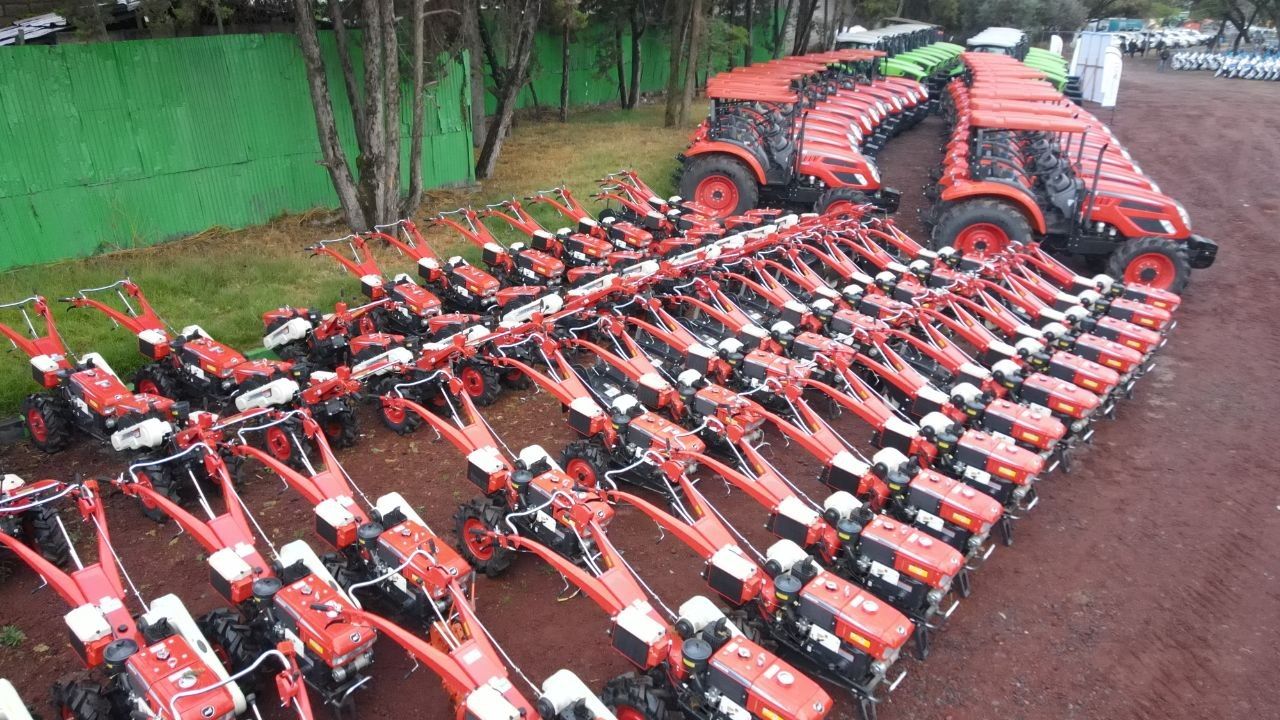
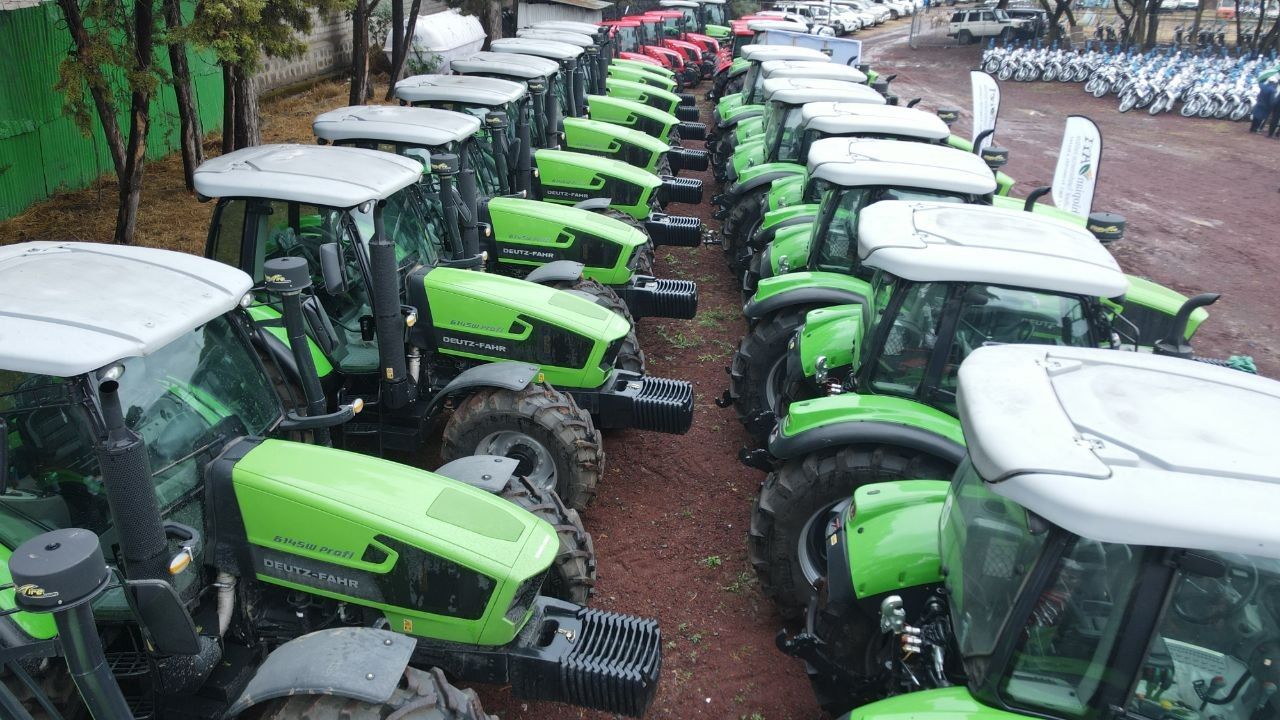
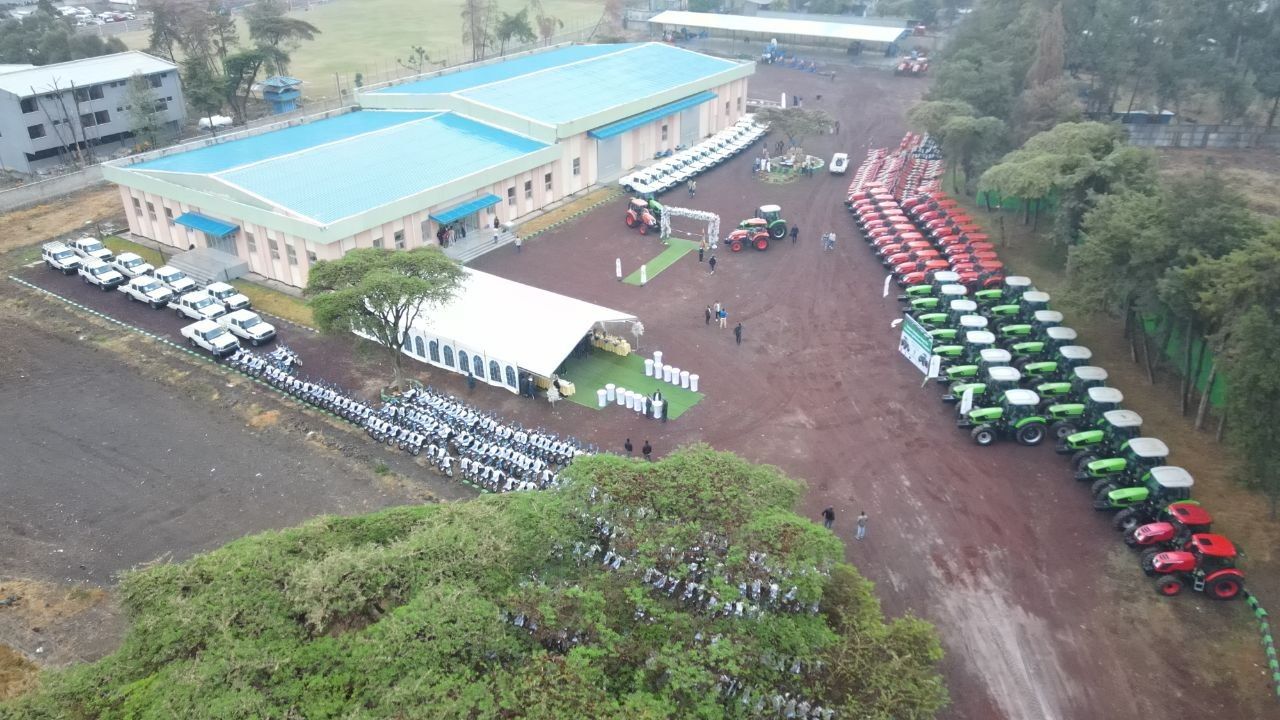
The Ministry of Agriculture recently orchestrated a large-scale distribution of mechanization equipment, valued at an impressive 2.32 billion Birr, to all regional states and the Dire Dawa City Administration. This coordinated effort represents one of the most substantial undertakings to modernize the nation’s farming infrastructure in recent times.
The comprehensive package includes a wide array of essential tools and machinery designed to address various aspects of agricultural production and management. Key components of this distribution include:
- Tractors: 63 units of standard tractors and 71 walking tractors, providing enhanced power for cultivation and land preparation.
- Processing Equipment: 150 rice threshers, crucial for improving post-harvest efficiency in rice cultivation.
- Livestock Support: Four egg incubators and hatchers, supporting the development of the poultry sector.
- Water Management: Five groundwater pumps and 460 solar-powered pumping units, facilitating irrigation and water access in diverse conditions.
- Logistics and Administration: 15 field vehicles for transportation and operational support, 243 motorcycles for enhanced mobility of extension workers, and 980 computers to bolster administrative capacity and data management.
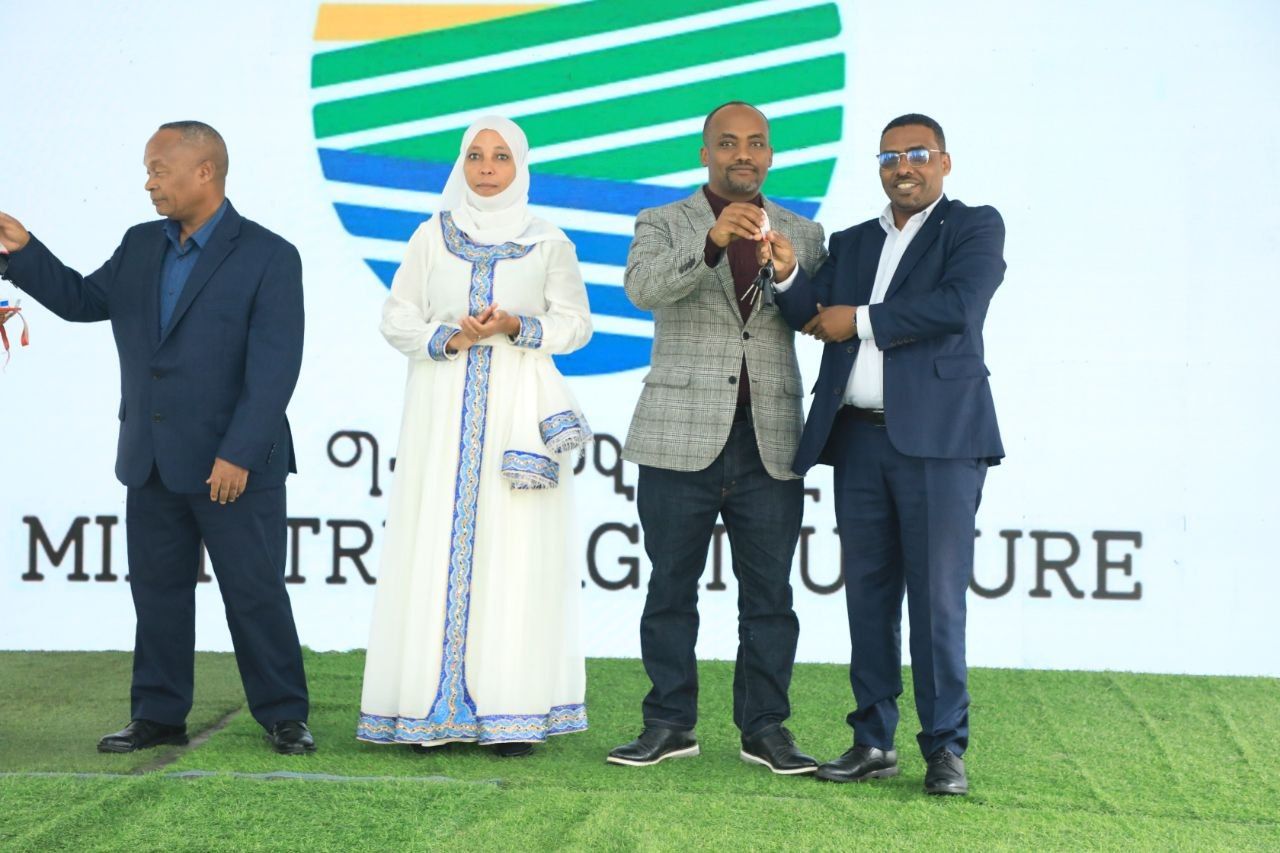
Addisu Arega, the Minister of Agriculture, articulated the overarching vision behind this initiative during the handover ceremony. He emphasized that the program is integral to a broader agenda focused on transitioning Ethiopian agriculture from traditional, subsistence-based practices to a modern, efficient, and globally competitive industry.
“Advancing agricultural mechanization is a top priority of the Medemer government,” Minister Arega stated. He underscored that broadening access to modern equipment is indispensable for moving beyond outdated farming methods that have long characterized the sector.
This significant undertaking is bolstered by crucial international partnerships and development programs. Support from the Government of South Korea, alongside contributions from key initiatives such as the Food Systems Resilience Program, the Sustainable Land Management Program, the Emergency Locust Response Project, and the Productive Safety Net Program, has been instrumental. The Ethiopian Agricultural Transformation Institute also plays a vital role in the implementation and coordination of these efforts.
The introduction of modern equipment is anticipated to yield several critical benefits for Ethiopia’s agricultural landscape. According to Minister Addisu, these advantages include:
- Increased Productivity: Streamlined operations and more efficient farming techniques will lead to higher yields.
- Improved Product Quality: Enhanced processing and handling capabilities will result in better quality produce.
- Strengthened Competitiveness: Higher productivity and quality will enable Ethiopian agricultural products to compete more effectively in international markets.
- Enhanced Food Security: Increased domestic production will contribute significantly to ensuring food security for the nation’s growing population.
Minister Addisu also highlighted the socio-economic importance of this transition, noting that agriculture remains the primary source of livelihood for millions of Ethiopians, with a particular focus on youth and women. Therefore, agricultural mechanization is viewed as a crucial driver for inclusive development, creating new opportunities and improving living standards.
The shift from labor-intensive traditional methods, such as oxen-drawn ploughing, to modern technology is expected to dramatically reduce the physical burden on farmers, boost overall efficiency, and significantly minimize post-harvest losses, thereby maximizing the value of agricultural output.
Beyond the immediate focus on mechanization, the Ministry of Agriculture is concurrently prioritizing a suite of other strategic interventions designed to foster a resilient and prosperous agricultural sector. These include:
- Irrigation Expansion: Investing in and expanding irrigation infrastructure to mitigate the risks associated with rain-fed agriculture and enable year-round cultivation.
- Livestock Breed Improvement: Implementing programs to enhance the genetic quality of livestock, leading to improved productivity in meat, milk, and wool.
- Biotechnology Adoption: Exploring and integrating modern biotechnological solutions to enhance crop yields, disease resistance, and nutritional value.
- Poultry Distribution: Expanding access to improved poultry breeds and supporting systems to boost the sector’s contribution to food security and income generation.
- Animal Health and Feed Systems: Strengthening veterinary services and improving the quality and availability of animal feed to ensure healthier and more productive livestock.
In his concluding remarks, Minister Addisu urged regional administrations to adopt a proactive and responsible approach to the utilization of the newly distributed equipment. He stressed the importance of robust oversight and accountability mechanisms to ensure that these valuable resources are deployed effectively, thereby maximizing their positive impact on agricultural production and overall productivity across the nation.