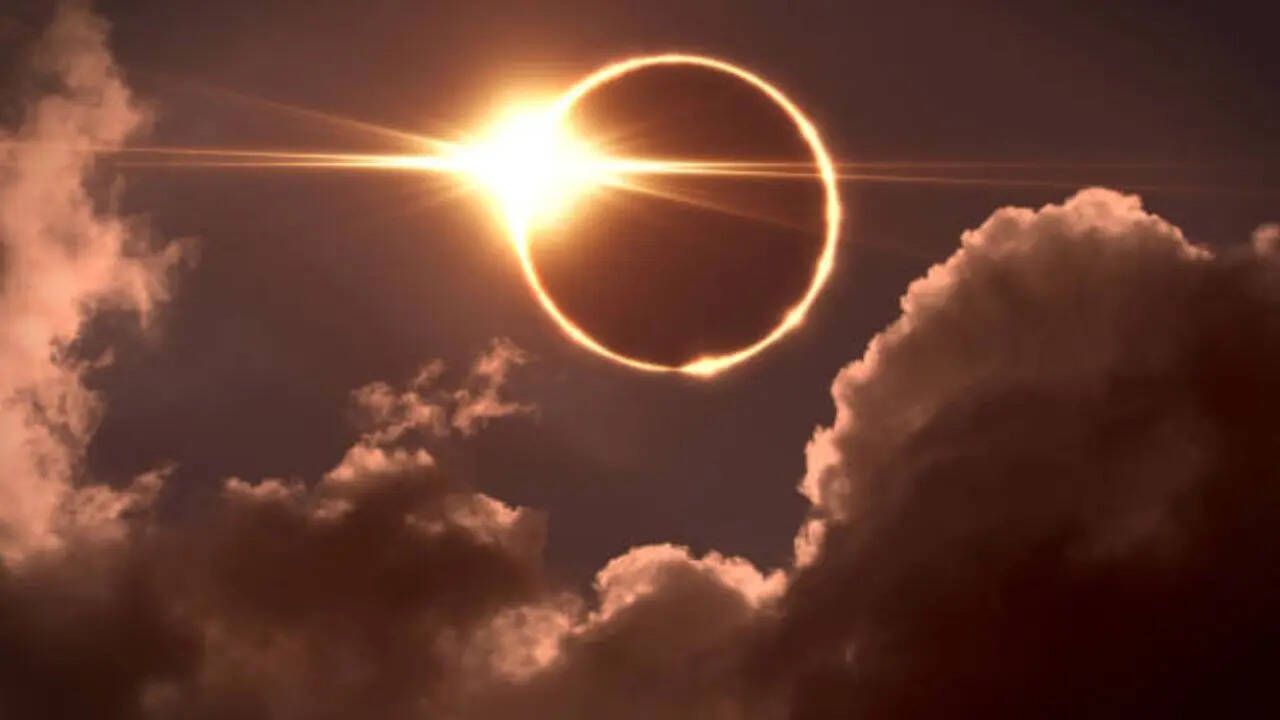
The skies are set to put on a spectacular show with the first solar eclipse of 2026 arriving on February 17th. As enthusiasts worldwide eagerly anticipate this celestial phenomenon, often dubbed the “Ring of Fire,” a familiar wave of concern often surfaces regarding its potential health impacts. This blend of curiosity and apprehension is deeply rooted in cultural beliefs, particularly when it comes to our well-being. From abstaining from food to remaining indoors, a significant number of people adhere to age-old practices, driven by a fear of negative consequences.
Understanding a Solar Eclipse
At its core, a solar eclipse is a purely astronomical event. It occurs when the Moon journeys between the Earth and the Sun, casting a temporary shadow and obscuring the sunlight. While the visual spectacle can be breathtaking and dramatic, scientists assure us it’s not a harbinger of cosmic danger or a burst of harmful radiation.
According to astronomical bodies, the Moon, being significantly farther from Earth than the Sun, appears smaller. Consequently, it doesn’t entirely block the Sun. Instead, it creates the illusion of a dark disc superimposed on a larger, luminous one, resulting in a striking, bright ring around the Moon’s silhouette. Experts are clear: a solar eclipse does not emit any harmful rays, toxins, or energy waves capable of damaging the human body.
The upcoming eclipse on February 17th is set to commence at 07:01 UTC and will last for up to a remarkable 2 minutes and 20 seconds. During this time, the Moon is anticipated to obscure approximately 96 per cent of the Sun’s centre.
While this particular event won’t be visible from India, as the celestial alignment will occur in the Southern Hemisphere, remaining below the horizon for the subcontinent, it will be a prime spectacle for locations like Antarctica, especially from research stations such as Concordia and Mirny. In parts of Southern Africa, countries including South Africa, Tanzania, Zambia, and Zimbabwe will have the chance to witness a partial view of the eclipse.
The Genuine Health Risks: Beyond the Myths
The most significant and medically validated danger associated with a solar eclipse, or Surya Grahan, is the act of looking directly at the Sun without adequate protection. Even when dimmed by the Moon’s passage, the Sun’s intense ultraviolet (UV) rays can inflict serious damage on the retina. This can lead to a condition known as solar retinopathy, characterised by:
- Blurred vision
- The appearance of blind spots
- Potentially permanent eye damage
Because the Sun appears less bright during an eclipse, many are tempted to gaze at it for longer periods, thereby amplifying the risk of harm.
Prioritising Safe Viewing Practices
Ensuring safe viewing is paramount. This necessitates the use of certified eclipse glasses or specialised solar filters, which are absolutely crucial. Standard sunglasses, no matter how dark, are insufficient and offer no real protection against the Sun’s potent rays.

The Impact of UV Radiation
Solar eclipses can indeed lead to an increase in the amount of UV radiation reaching the Earth’s surface. Extended exposure to these heightened UV levels can cause skin damage, sunburn, and significantly increase the risk of developing skin cancer. Medical professionals strongly advise individuals to take proactive measures to shield their skin from this intensified UV radiation. These precautions include:
- Applying sunscreen with a high SPF (Sun Protection Factor).
- Wearing protective clothing that covers the skin.
- Seeking shade whenever possible, particularly during peak sunlight hours.
Navigating Temperature Fluctuations
During a solar eclipse, a temporary dip in ambient temperature can often be felt. Doctors recommend dressing in layers to counteract any discomfort and to mitigate potential health issues that might arise from these temperature shifts.
Addressing Mental Health Concerns
A considerable amount of unfounded fear and misinformation circulates regarding the health implications of solar eclipses. This can unfortunately contribute to elevated stress levels, mood swings, and heightened anxiety. Open communication and the widespread dissemination of accurate, science-based information are vital in alleviating these mental health concerns associated with eclipses. It’s important to reiterate that there is no scientific evidence to suggest that eclipses have any impact on hormones, the immune system, digestion, or sleep patterns.
The Question of Fasting During an Eclipse
A prevalent belief suggests that food becomes “toxic” during an eclipse. However, this notion is entirely unfounded. Scientific consensus confirms that:
- No harmful chemical changes occur in food.
- Radiation levels do not increase.
- An eclipse does not affect your digestive system.
While some individuals choose to fast for spiritual or cultural reasons, this is a personal choice and not a medical imperative driven by the eclipse itself.
Guidance for Pregnant Women
Traditionally, in many cultures, including in India, pregnant women are advised to remain indoors during a solar eclipse. However, from a purely health perspective, there is no scientific evidence that links eclipses to birth defects or complications during pregnancy. Medical professionals generally agree that undertaking normal daily activities is safe, provided that direct exposure to the Sun without appropriate eye protection is strictly avoided.

The Roots of Health-Related Beliefs
Historically, eclipses have often been perceived as mysterious, even ominous events, sometimes associated with misfortune or illness. In the absence of scientific understanding, communities developed precautionary rituals, many of which persist today as deeply ingrained traditions. While respecting cultural beliefs is important, a grounded understanding of the facts can help dispel unnecessary fear and anxiety.
Healthy Tips for Enjoying the Solar Eclipse
Experts offer a few key precautions to ensure you can safely and enjoyably witness this celestial marvel:
- Always use certified solar eclipse glasses.
- Never look directly at the Sun without proper eye protection.
- Consider using a pinhole projector for a safe viewing experience.
- If you choose to fast, ensure you stay adequately hydrated.
- Approach any personal or cultural practices mindfully and with informed awareness.