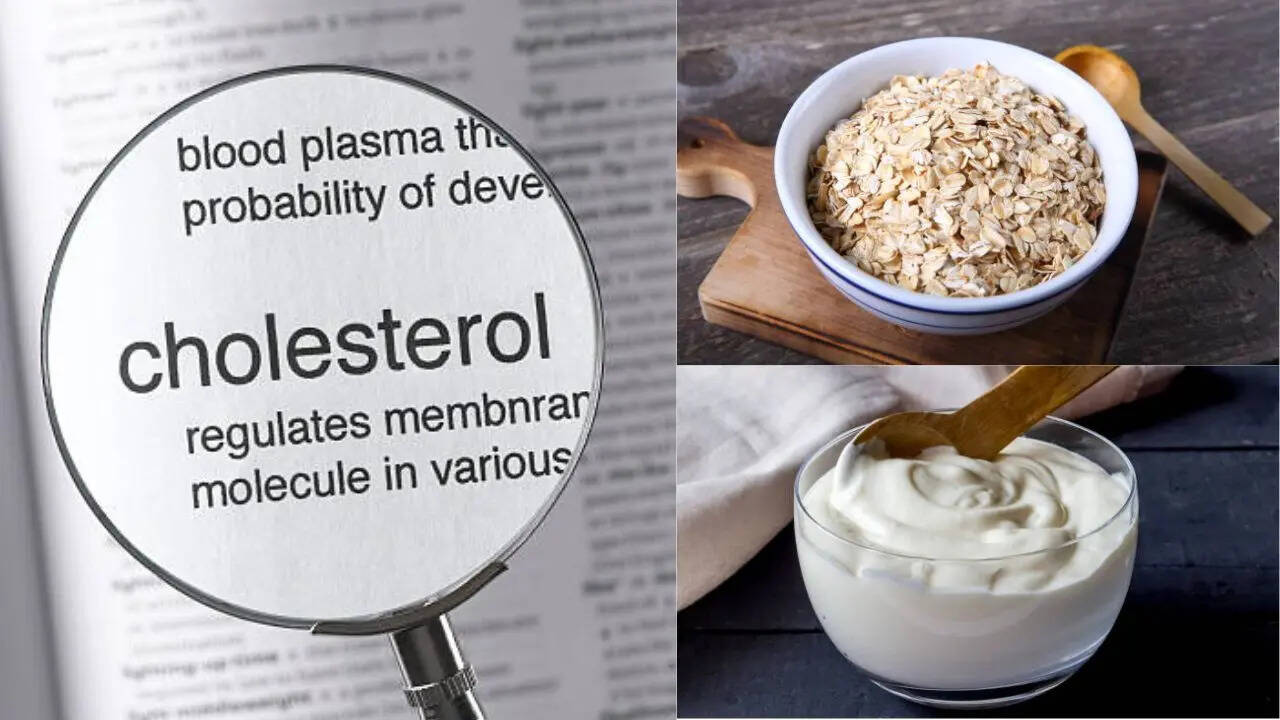
High cholesterol, often dubbed the “silent killer,” can pose a significant threat to your long-term health, even without obvious symptoms. This condition can dramatically increase your risk of serious cardiovascular events like heart attacks and strokes if left unmanaged. Fortunately, making strategic lifestyle adjustments, particularly focusing on a heart-healthy diet, can be incredibly effective in bringing down those concerning “bad” cholesterol (LDL) levels.
Experts, including cardiologists from the British Heart Foundation, have identified natural dietary powerhouses that demonstrate a remarkable ability to lower cholesterol, offering benefits comparable to statin medications. While many foods are touted for their cholesterol-reducing properties, two stand out for their proven impact:
The Cholesterol-Fighting Duo: Oats and Plant Sterols/Stanols
1. Oats: The Soluble Fibre Superstar
Oats are a nutritional champion, primarily due to their rich content of soluble fibre, specifically a compound called beta-glucan. This remarkable fibre is instrumental in tackling high cholesterol levels and goes beyond just aiding digestion.
When you consume oats, the beta-glucan transforms into a gel-like substance within your digestive tract. This gel effectively traps bile acids, which are naturally high in cholesterol, preventing them from being reabsorbed into your bloodstream. To compensate for the loss of bile acids, your liver has to draw more cholesterol from your blood to produce new ones, thereby lowering your overall LDL cholesterol levels.
Scientific studies have shown that a daily intake of approximately 3.5 grams of beta-glucan from oat products, consumed consistently over a period of 3 to 12 weeks, can lead to a notable reduction of around 4.2 per cent in “bad” LDL cholesterol.
Beyond cholesterol management, oats are a fantastic source of dietary fibre, promoting overall heart health and contributing to a sense of well-being. Whether you prefer rolled oats, steel-cut oats, or oat bran, all varieties are packed with beneficial beta-glucan, making them an excellent dietary choice for anyone looking to improve their cholesterol profile.
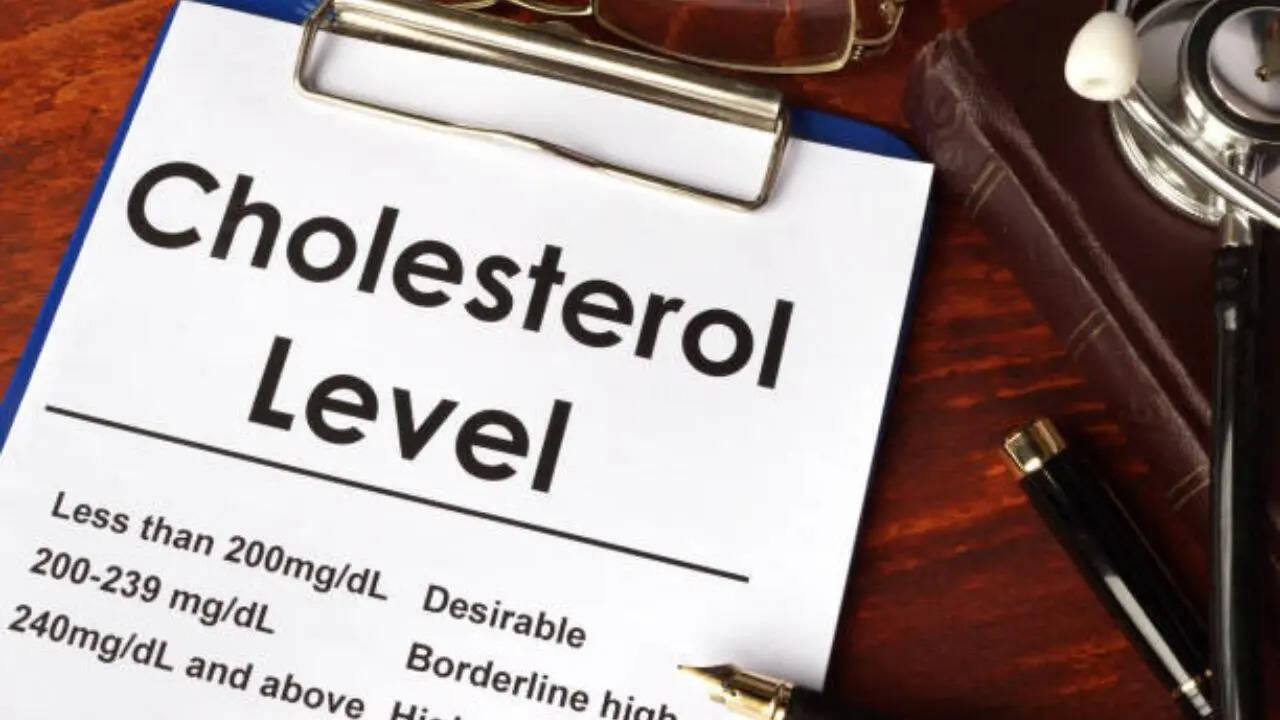
2. Plant Sterols and Stanols: The Cholesterol Competitors
Plant sterols and stanols, also known as phytosterols, are naturally occurring compounds found in plants. Certain dairy products, such as some milk and yogurts, are now fortified with these compounds specifically for their cholesterol-lowering benefits.

Extensive research, including studies published in reputable journals like the British Journal of Nutrition, suggests that a daily intake of up to 3.3 grams of phytosterols can lead to a significant and gradual reduction in LDL cholesterol, typically ranging from 6 to 12 per cent over a single month.
These plant-derived compounds work by structurally mimicking cholesterol. This similarity allows them to compete with dietary and bile cholesterol for absorption in the intestines. By outcompeting cholesterol, they effectively reduce the amount of cholesterol that enters your bloodstream, thereby lowering overall levels.
While fortified foods offer a concentrated dose, phytosterols are also naturally present in a variety of plant-based foods, including fruits, vegetables, vegetable oils, nuts, and grains. Although the natural intake from these sources is generally lower than the therapeutic doses found in fortified products (often less than 600 mg per day compared to the effective 2 grams from fortified dairy), they still contribute positively to cholesterol management and overall health.
Making Informed Choices and Seeking Professional Advice
To effectively harness the cholesterol-lowering power of plant sterols and stanols, cardiologists recommend opting for fortified foods that provide a sufficient and consistent dose.
However, it’s always wise to consult with your doctor or a registered dietitian before making significant dietary changes, especially if you have pre-existing health conditions or are currently taking medication. They can provide personalised advice to ensure your dietary choices align with your overall health goals and complement any existing treatment plans. By incorporating these natural powerhouses into your diet and seeking professional guidance, you can take proactive steps towards a healthier heart.