
Defence Sector Faces Stalled Orders Amidst Government Spending Uncertainty
Singapore – The United Kingdom’s defence industry is reporting a significant slowdown in new business, with companies expressing frustration over the delayed materialisation of promised government spending increases. Evidence from the Bank of England’s network of agents indicates that “defence contacts report new orders are slow to progress,” a sentiment that appears to confirm long-held exasperation within the sector regarding the current government’s approach to defence procurement.
Industry bodies have described the current period as “difficult” and an “idle phase” for the defence sector. Despite government commitments to elevate defence spending to 2.5 per cent of the Gross Domestic Product (GDP), companies on the ground are yet to witness tangible evidence of this anticipated uplift in orders and investment. This situation has led to growing unease, with reports suggesting that small and medium-sized enterprises (SMEs) within the sector are experiencing their most downbeat period in two decades, while even larger defence contractors are expressing “deep frustration.”
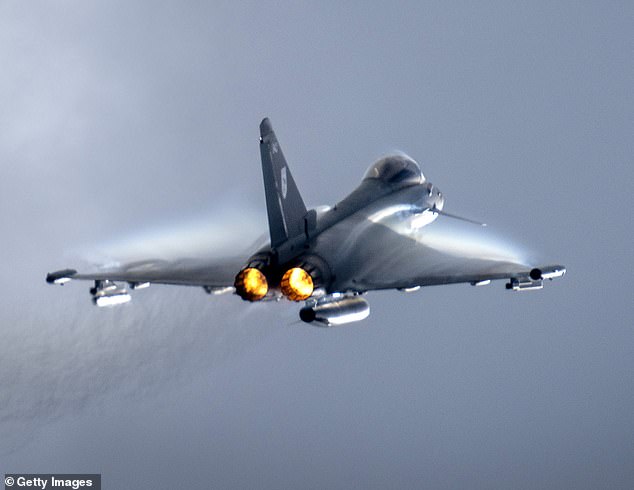
While some defence firms have managed to sustain their operations through robust export orders, a significant portion of the industry, particularly those more heavily reliant on domestic demand from the Ministry of Defence (MoD), is struggling as anticipated orders fail to materialise. This reliance on the MoD makes them particularly vulnerable to shifts in government spending priorities and procurement timelines.
Concerns Over Budgetary Gaps and Delayed Investment Strategies
Alarm bells have been ringing louder due to reports highlighting a substantial £28 billion potential shortfall in the government’s existing spending plans. This revelation has amplified concerns about the government’s capacity to meet its defence expenditure commitments.
Furthermore, there is significant apprehension surrounding the delay in the government’s detailed investment strategy for defence. While the commitment to raise the defence budget has been stated, the specific roadmap and implementation details have been slow to emerge. Many in the industry had anticipated the release of this strategy by the close of the previous year, but current expectations suggest it may not be unveiled until the coming month.
This prolonged delay represents a stark and worrying divergence between the government’s public rhetoric on defence and the on-the-ground reality faced by businesses. There is a palpable fear that without concrete action and investment, defence spending could be “cut to the bone,” potentially leading to the cancellation of crucial programmes and impacting the UK’s defence capabilities and industrial base.
Industry Calls for Government Action and Balanced Investment
Samira Braund, Defence Director at ADS, the industry body representing aerospace, defence, and security companies, articulated the industry’s concerns. “It is a difficult period for industry, and as we continue through this idle phase, it is hard to see how the situation will improve in the near future,” she stated.
Braund acknowledged the challenging fiscal environment and the difficult decisions governments must make. However, she stressed the importance of careful consideration regarding the implications for the defence sector. “While we recognise the current fiscal environment is challenging and appreciate the difficult choices that must be made, the Government must carefully consider what is at stake,” she urged.
She further commented on the emerging pockets of growth, noting, “The pockets of growth emerging in the defence sector are reassuring, albeit largely driven by exports, but it is essential that this demand is also reflected here in the UK.” This highlights a key challenge: the need for domestic investment to complement and sustain the industry, rather than relying solely on international markets.
In response to these ongoing complaints and concerns, the MoD has previously stated its efforts to support the defence sector. The department has indicated that it has signed over 1,000 major defence contracts since the last general election. Additionally, it has pledged to increase spending directed towards smaller businesses by £2.5 billion by the year 2028, a commitment aimed at bolstering the SME segment of the defence supply chain. However, the current operational realities reported by defence firms suggest that the impact of these measures is yet to be fully felt across the industry.