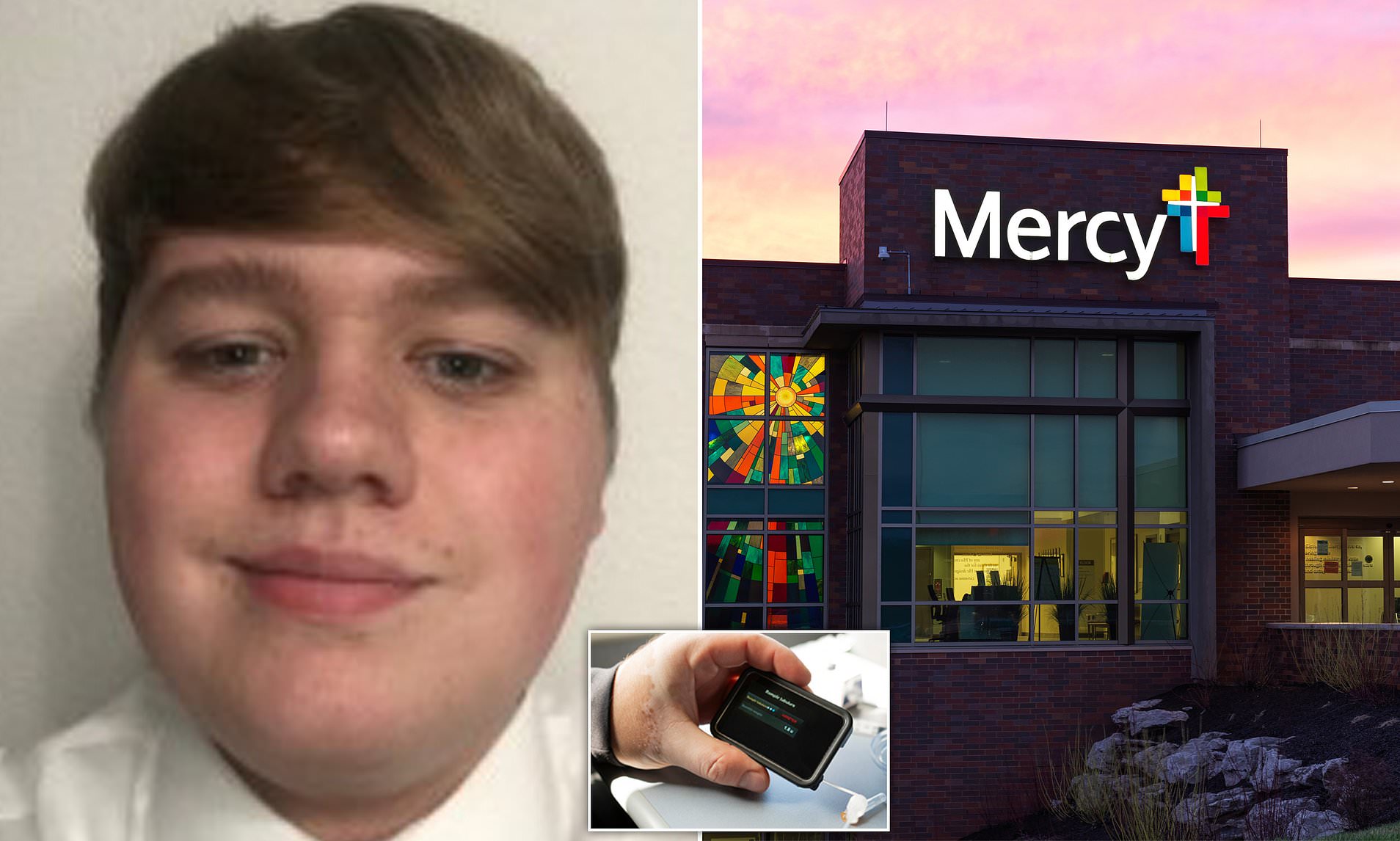
Diabetic Man’s Tragic Death Sparks Medical Malpractice Lawsuit
A devastating lawsuit has been filed against Mercy Hospital in Springfield, Missouri, alleging that a 24-year-old diabetic man was left to die in the waiting room after medical staff repeatedly dismissed his critical symptoms as mere hyperventilation. George Lubrano, diagnosed with Type 1 diabetes, presented at the emergency room on December 16, 2024, with a dangerously high blood sugar level, vomiting, and severe back spasms. Despite his deteriorating condition, the lawsuit claims he was made to wait nearly five hours without adequate treatment, ultimately succumbing to complications from diabetic ketoacidosis.

The legal action, initiated by George’s parents, John and Michelle Lubrano, in Greene County, details a harrowing account of alleged medical negligence. According to the lawsuit, George arrived at the hospital around 1:30 PM, his blood sugar levels critically elevated and his body struggling to function. He was reportedly experiencing significant distress, including difficulty breathing. However, instead of receiving urgent medical attention, staff allegedly minimised his respiratory issues, attributing them to hyperventilation.
A Catalogue of Alleged Neglect
The plaintiffs assert that throughout the afternoon, George’s condition worsened significantly. By approximately 3:30 PM, he was again struggling to breathe, yet medical personnel reportedly continued to dismiss his symptoms. His blood sugar monitor began beeping incessantly, indicating a critical malfunction or an extremely high reading, but he was still not moved to a treatment room or examined by a doctor.

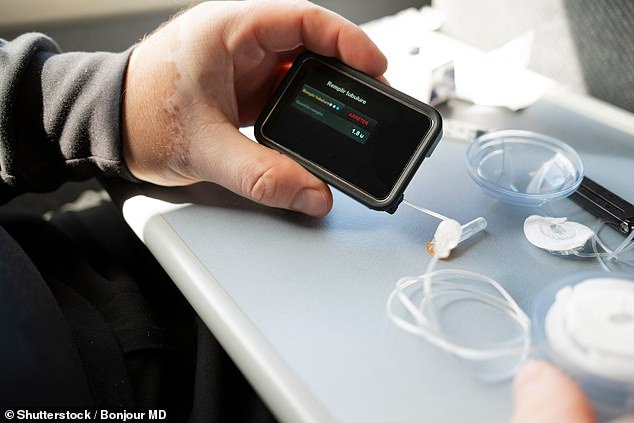
Further compounding the alleged negligence, George informed nursing staff that his insulin pump, a vital device for managing his Type 1 diabetes, had been non-operational for over 45 minutes. This, combined with his rapid breathing, dry mouth, and increasing weakness, should have signalled a medical emergency. The lawsuit states that George was having such difficulty speaking due to his severe symptoms that communicating with the nursing staff became a struggle. Hospital records, the suit claims, indicated a need for immediate return to a room for treatment, yet no doctor had yet assessed him.
A Race Against Time, Lost
It wasn’t until approximately 5:35 PM that George was finally taken to a treatment room. By this point, his condition had become critical. The lawsuit describes a terrifying sequence of events: George began making “gurgling sounds,” lost his pulse, became unresponsive, and suffered cardiac arrest. This prompted the nursing staff to call a “code,” initiating resuscitation efforts.

Despite the efforts of doctors who administered CPR and epinephrine, and attempted airway intubation (which the suit states was initially placed incorrectly in his esophagus), George Lubrano tragically passed away at 6:01 PM. His death was officially attributed to complications arising from diabetic ketoacidosis, a life-threatening condition that occurs when the body doesn’t produce enough insulin.
Preventable Death, Say Parents
The Lubrano family contends that George’s death was entirely preventable had the Mercy Springfield staff made “good, safe, and timely medical choices.” Diabetic ketoacidosis, while serious, can reportedly be treated with relatively non-invasive measures and reversed within hours when addressed promptly. The lawsuit argues that George was denied this timely intervention.
The lawsuit seeks damages for a range of losses, including financial expenses, funeral costs, loss of services, and the immeasurable loss of companionship, comfort, instruction, guidance, counselling, training, support, love, and affection.
A spokesperson for Mercy Hospital expressed “heartfelt prayers and condolences” to the Lubrano family and stated that the hospital would “continue to work with the family and their counsel to work toward a resolution.”
George Lubrano is remembered in his public obituary as a “gentle soul who made everyone around him feel comfortable and seen.” His tragic passing serves as a stark reminder of the critical importance of timely and appropriate medical care, particularly for individuals with chronic conditions.