Jessica Alba’s Super Bowl Halftime Show Appearance Sparks Social Media Frenzy
The Super Bowl halftime show is always a spectacle, and this year’s performance by global music sensation Bad Bunny was no exception. However, it wasn’t just the electrifying music that had social media buzzing. Actress Jessica Alba’s cameo during the highly anticipated event has ignited a firestorm of commentary from football fans and entertainment enthusiasts alike, with many taking aim at her perceived lack of dancing prowess.
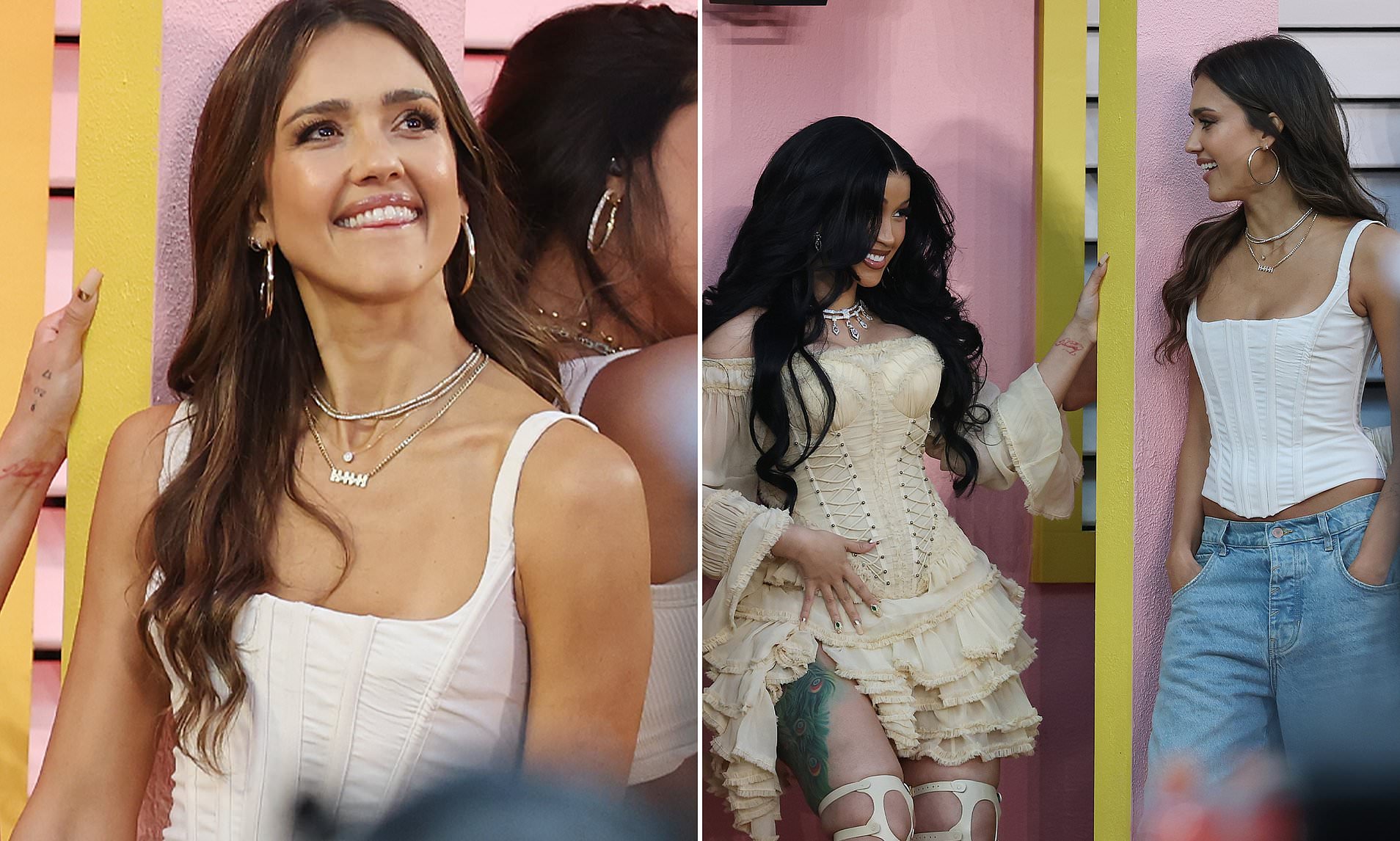
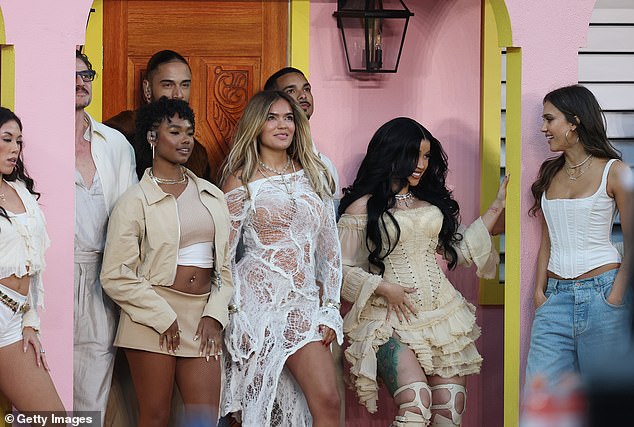
Alba, 44, made an appearance early in Bad Bunny’s set, joining a troupe of background dancers. Dressed in a white corset tank top and jeans, she was part of the vibrant visual display accompanying the Puerto Rican superstar. She shared the stage with other notable personalities, including fellow artists Cardi B and Karol G, as well as actor Pedro Pascal. Yet, as the performance unfolded, a significant portion of online observers noted that Alba appeared notably more reserved and less dynamic in her movements compared to those around her.
The consensus on platforms like X (formerly Twitter) was swift and often brutal. Many users expressed their disappointment, with one commenter bluntly stating, “Jessica Alba is an imposter! She can’t even rock side to side on beat lol.” Another echoed this sentiment, remarking, “It’s Jessica Alba still not knowing how to dance.” The frustration was palpable, as one user exclaimed, “Jessica Alba is genuinely pissing me off sister F** DANCE.”
Humour, albeit sharp, also emerged. One individual quipped, “Jessica Alba: a friend invited me,” suggesting a less-than-enthusiastic participation. This sentiment was further amplified by another user who declared, “Jessica Alba still can’t dance.”
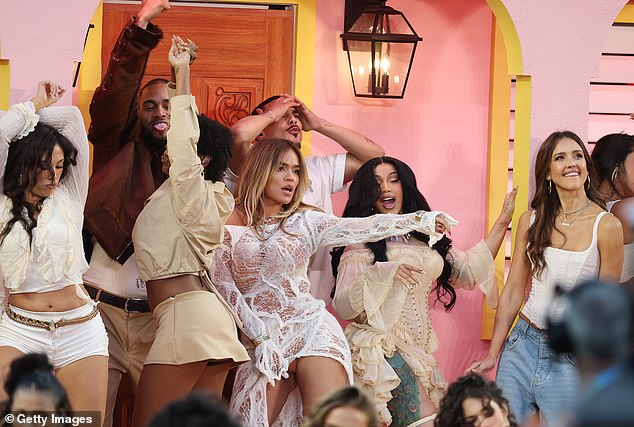
The criticism took a more pointed turn for some, referencing Alba’s past acting roles. A particularly pointed comment read, “WHY JESSICA ALBA UP THERE ACTING LIKE SHE CANT DANCE…… BABE YOU PLAYED HONEY??” This alluded to her starring role in the 2003 dance-centric film Honey, a role that many expected would showcase her ability to move to the rhythm.
The Super Bowl LX halftime show took place at Levi’s Stadium in Santa Clara, California, during the intense championship game between the Seattle Seahawks and the New England Patriots vying for the Lombardi Trophy. The star-studded event drew a constellation of celebrities to the stands, including Kim Kardashian, Justin and Hailey Bieber, Adam Sandler, and Jay-Z, all witnessing the high-octane entertainment.
Bad Bunny’s selection as the halftime performer had already generated considerable buzz, particularly in some political circles, when it was announced back in September. His music, often performed in Spanish, has a massive global following. This was not his first foray into the Super Bowl halftime spectacle; he previously made a memorable guest appearance during the 2020 Super Bowl LIV halftime show alongside co-headliners Jennifer Lopez and Shakira. However, this year marked a significant milestone as he became the first solo Latin artist to headline the prestigious halftime show.




This historic headlining performance followed another monumental achievement for Bad Bunny just a week prior. At the 68th Grammy Awards ceremony, he made history by winning the Album of the Year award for Debí Tirar Más Fotos. This victory was groundbreaking, representing the first time a Spanish-language album had ever received this coveted honour. The emotional weight of the win was evident as he reacted with disbelief, visibly moved to tears after his name was announced.
During his acceptance speech, delivered predominantly in Spanish, Bad Bunny used his platform to advocate for immigrants and allude to ongoing immigration raids across the United States. He dedicated his award to those who have been forced to leave their homelands in pursuit of their dreams, a powerful message resonating with many in attendance and watching worldwide. His Super Bowl performance, therefore, was not only a showcase of his musical talent but also a continuation of his impactful presence on the global stage.