UN Proposes $94 Million Action Plan for Cuba Amidst US Dialogue
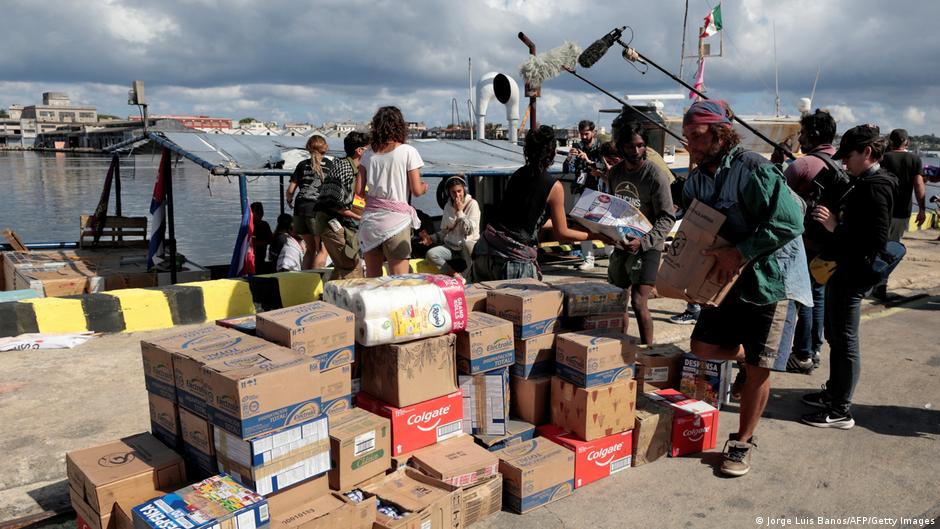
The United Nations has put forth a comprehensive “action plan” aimed at addressing the critical humanitarian needs in Cuba, with a significant component focusing on fuel tracking and ensuring the continuity of essential services. This initiative comes at a time when preliminary discussions are reportedly underway between the United States and Cuban leadership, including former President Raul Castro.
Francisco Pichon, the UN coordinator in Cuba, revealed the details of the $94.1 million (€81.4 million) plan, which is designed to safeguard the most vulnerable populations by maintaining vital services. He expressed grave concerns about the potential consequences if the current fuel shortage persists.
“If the current situation continues and the country’s fuel reserves are exhausted, we do fear a rapid deterioration, with the potential loss of life,” Pichon stated to reporters. He emphasized that the successful implementation of the proposed action plan is intrinsically linked to finding solutions for the fuel crisis.
The UN’s engagement with Washington aims to secure the necessary fuel for humanitarian purposes. Pichon highlighted that the proposed plan incorporates a “fuel traceability model” intended to facilitate an agreement and establish a pathway for accessing fuel. This model is designed to ensure transparency and accountability in the distribution and use of vital energy resources.
The Root of Cuba’s Fuel Shortage
Cuba’s current predicament is exacerbated by external pressures, notably the sanctions imposed by the United States. In late January, the Trump administration threatened tariffs against any nation that supplied oil to Cuba, simultaneously advocating for political reform on the island. These measures have significantly deepened the nation’s energy and economic crisis, creating a ripple effect across various sectors.
The impact of the fuel shortage is far-reaching, affecting:
- The Power Sector: Leading to widespread and prolonged blackouts.
- Tourism: Disrupting travel and hospitality services.
- Airlines: Causing flight cancellations and operational challenges.
- Basic Civic Functions: Including sanitation services and access to clean water.
The UN has previously reported that the lack of electricity and fuel has resulted in thousands of canceled surgeries and a decline in air quality, as many households resort to burning wood for cooking.
Early-Stage Dialogue Between US and Cuba
Adding a significant dimension to the unfolding situation, Cuban President Miguel Diaz-Canel confirmed that Washington and Havana are engaged in initial talks. He further revealed that former Cuban leader Raul Castro has participated in these discussions.
Diaz-Canel elaborated on Castro’s involvement during an interview with Spanish leftist leader Pablo Iglesias, which was published in state media. He outlined a phased approach to building constructive relations: “First, we must build a channel for dialogue. Then, we must build common agendas of interests for the parties, and the parties must demonstrate their intention to move forward and truly commit to the program based on the discussion of those agendas.”
The US administration’s demands for an end to the blockade include the release of political prisoners and progress towards political and economic liberalization in Cuba. The Trump administration has been vocal about its objective of regime change on the island, with past statements indicating a desire for a “friendly takeover” and more recently, expressing an intent to “take Cuba, soon.”
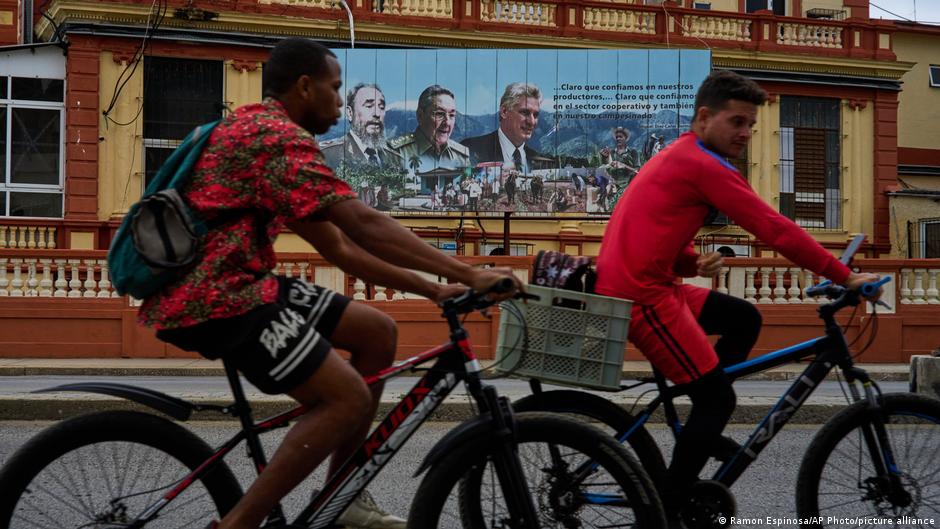
Raul Castro, the 94-year-old brother of Fidel Castro, remains a highly influential figure in Cuban politics. When questioned about Castro’s role in the overtures with the US, Diaz-Canel addressed speculation about divisions within the revolutionary leadership. He clarified that Castro, along with himself and other Party, government, and State officials, has been instrumental in guiding the approach to potential dialogue processes.
Mexico’s Stance on Cuban Doctor Program
In related news, Mexican President Claudia Sheinbaum affirmed her commitment to upholding a bilateral agreement that permits Cuban doctors to practice in Mexico. Sheinbaum described the agreement as beneficial for Mexico.
This commitment comes at a time when other countries in the region have terminated similar agreements under considerable pressure from the United States. US Secretary of State Marco Rubio, whose parents are Cuban immigrants, has characterized these medical exchange programs as a “form of human trafficking.”
In response to Mexico’s position, the White House referenced a statement made by Rubio in June 2025, when the US announced restrictions targeting Central American officials perceived to have ties to Cuba’s “forced labor scheme.”