Baseball’s Global Reach: From Korean Spectacle to Dominican Dreams and Haitian Struggles
The roar of the crowd, the crack of the bat – baseball season is upon us, and the excitement is palpable. South Korea, which celebrated a landmark “12 million spectators” era last year, is already seeing record-breaking attendance at its exhibition games, with 440,000 fans flocking to stadiums. This signals another “blockbuster hit” season on the horizon. Across the globe, in the United States, Major League Baseball (MLB), the sport’s spiritual home, commenced its 2026 season on March 26th, with a classic matchup between the New York Yankees and the San Francisco Giants.
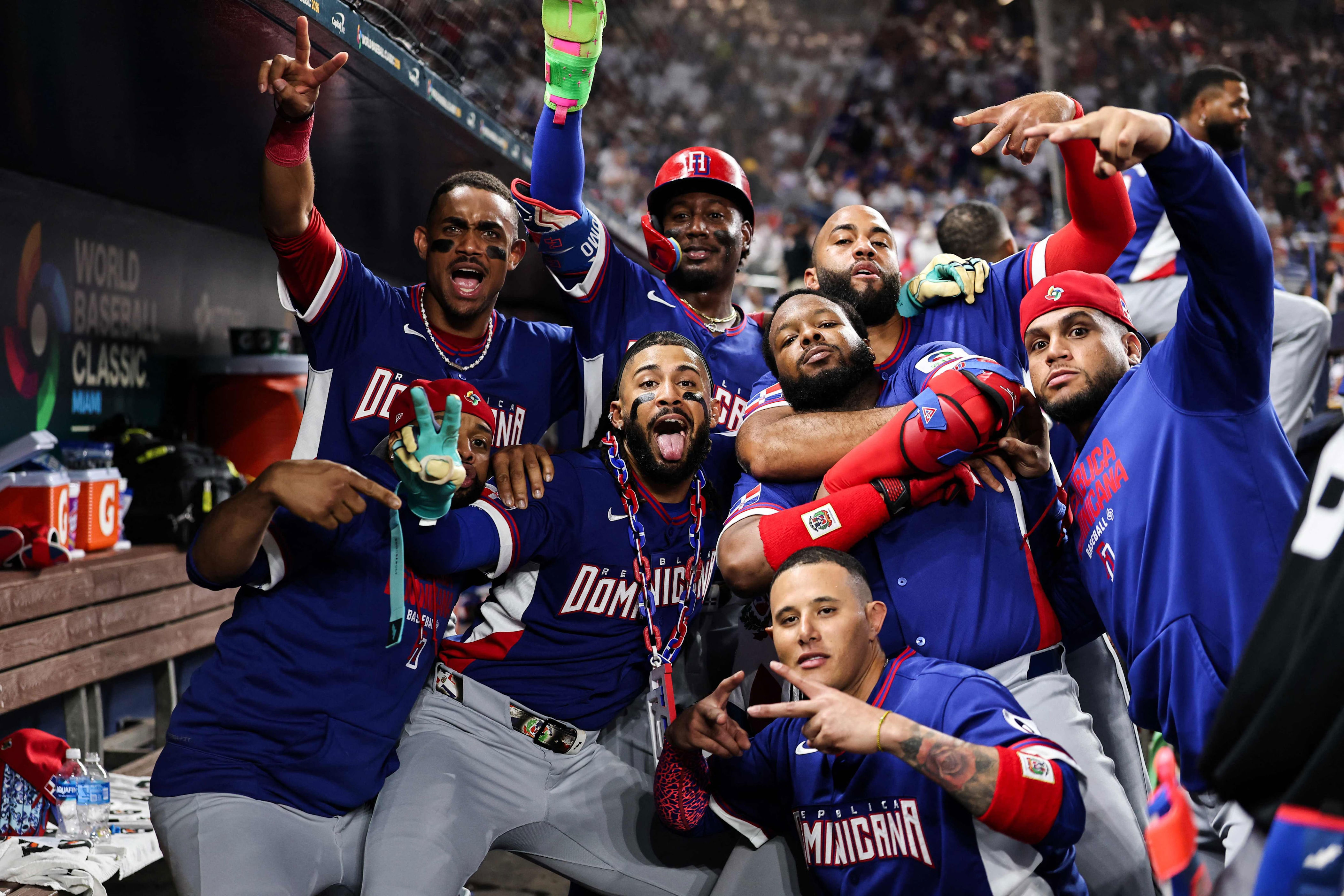
One of the undeniable draws of MLB is the sheer spectacle of “billion-dollar” performances delivered by superstars commanding astronomical salaries. Among these titans of the diamond is the player often referred to as the “man worth 1 trillion won.” In 2024, Juan Soto inked a monumental 15-year, $765 million contract with the New York Mets, a deal translating to approximately 1.15 trillion Korean won. He currently holds the title of the highest-paid player based on pure salary, earning an astonishing 93 billion won this year alone. Close behind is Vladimir Guerrero Jr., the Toronto Blue Jays’ second-highest-paid position player, who is set to pocket 60 billion won this season. Both these phenomenal talents recently represented the Dominican Republic on the international stage at the World Baseball Classic (WBC).
While the Dominican Republic’s journey in the WBC concluded with a 1-2 record against the United States in the semifinals, preventing them from advancing to the final, their presence left an indelible mark on Korean baseball enthusiasts. The Korean team’s valiant effort in the quarterfinals, despite a respectable showing, ultimately fell short against the Dominican Republic’s formidable lineup, resulting in a 0-10 mercy rule loss in the seventh inning. Despite glimpses of hope, the Dominican “baseball monsters” proved to be an unyielding force, showcasing no discernible weaknesses.
The Dominican Republic, a small island nation nestled in the Caribbean, has carved out a significant global presence through its prodigious baseball talent. The stream of talent emerging from this island is anything but small. Baseball, introduced to the nation through Cuban migrants and American soldiers, quickly became ingrained as a national sport. This passion was further cultivated through systematic academy systems established by MLB teams, transforming the island into a massive pipeline of talent. In nearly every alley, children can be seen swinging makeshift bats, their dreams fueled by the ambition of becoming the “next Soto.” This season, an impressive contingent of over 100 Dominican players earned spots on MLB’s opening day rosters.
However, this same island of Hispaniola, situated between Cuba, Jamaica, and Puerto Rico, presents a stark dichotomy of realities. It is divided between the Dominican Republic and Haiti. Historically, the western part of the island, Haiti, was the wealthier of the two. Founded in 1804 by formerly enslaved Black people who successfully expelled French colonial forces, Haiti once enjoyed prosperity through its coffee and sugar industries. Yet, its fortunes dwindled under the oppressive 30-year hereditary dictatorship of the Duvalier family. The devastating 2010 earthquake, which claimed an estimated 300,000 lives, further plunged the nation into a state of profound tragedy.
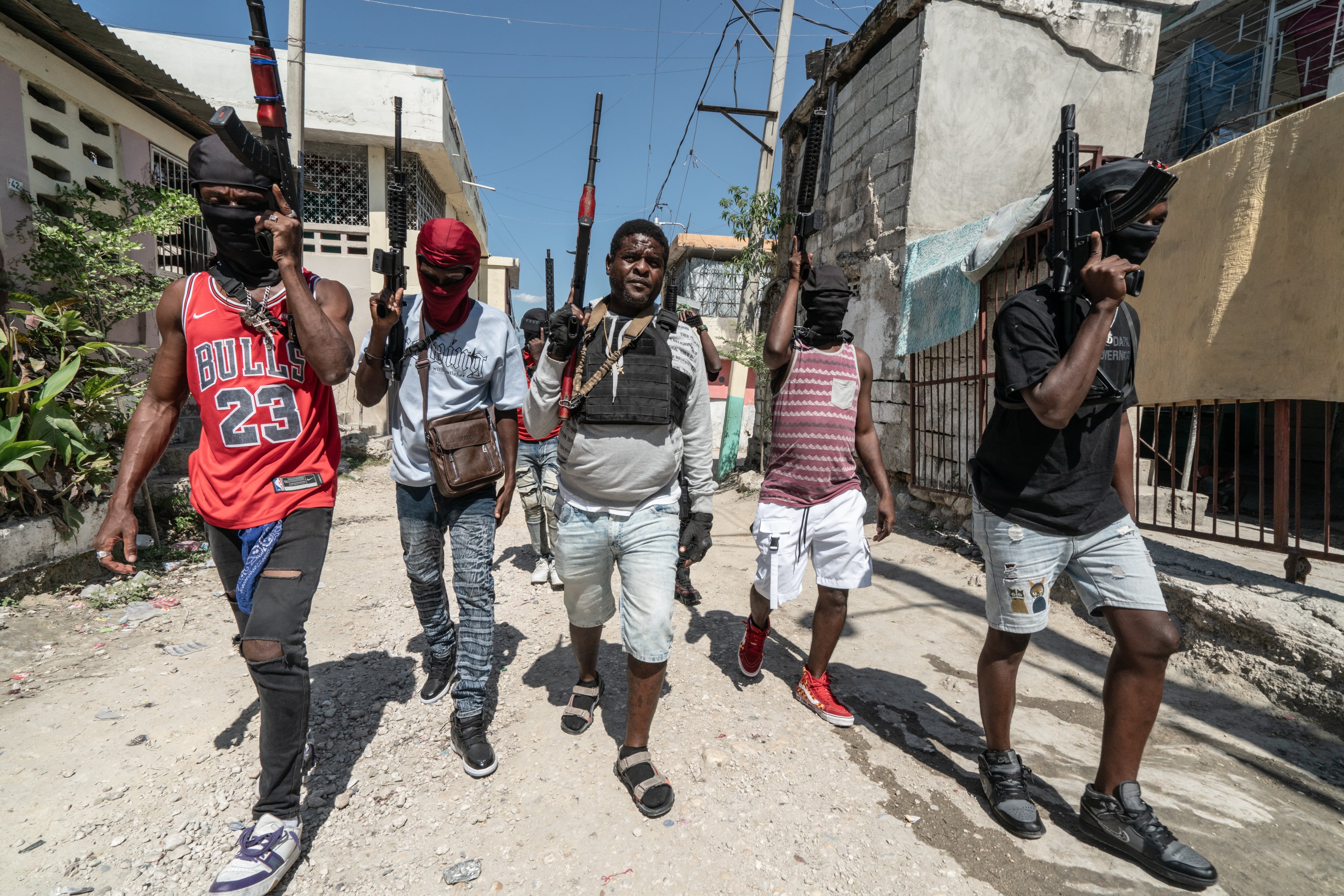
The assassination of President Jovenel Moïse at his residence in 2021 plunged Haiti into a state of de facto anarchy. Today, gangs exert control over more than 90% of the capital city, Port-au-Prince, where acts of murder, kidnapping, and looting have become disturbingly commonplace. In stark contrast, the Dominican Republic, which declared its independence from Haiti in 1844, has navigated a path of steady political stability and economic growth, establishing itself as a prominent nation in the Caribbean. According to recent IMF figures, the Dominican Republic’s per capita GDP stands at $12,610 for this year, a significant margin compared to Haiti’s $2,440.
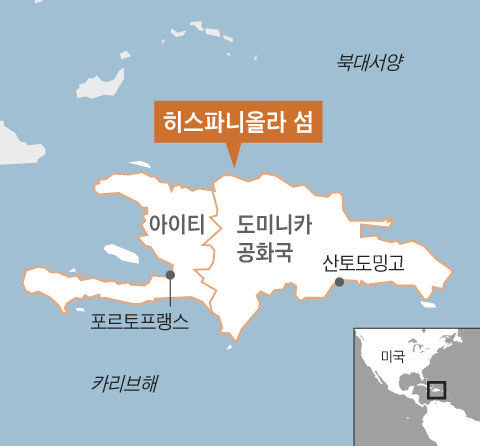
Witnessing the dramatic collapse of Haiti into what is widely considered a “failed state” prompts a poignant question: If Juan Soto, the “man worth 1 trillion won,” had been born in Port-au-Prince, approximately 300 kilometers away, rather than in Santo Domingo, the capital of the Dominican Republic, could such a career have even been conceivable? Ultimately, the destinies of nations and their people are not dictated by the sheer size or geographical location of their land. Instead, they are profoundly shaped by the quality of political leadership and the effectiveness of the societal systems they establish. This principle resonates deeply when considering the divergent paths of nations like South and North Korea.
As a sports journalist, my most prominent recollection of Haiti in relation to the sports world is linked to the celebrated Haitian heritage of tennis superstar Naomi Osaka. Despite its relatively subdued presence on the global sports stage, Haiti is poised to make a significant appearance on a major platform. Its national football (soccer) team, bolstered by players of French descent, secured a hard-fought World Cup berth last November. Due to ongoing security concerns, the team was even compelled to host its home games a staggering 800 kilometers south in Curaçao. As the North America, Central America and Caribbean qualifiers for the World Cup unfold, one can only hope that the Haitian team scores thrilling goals, offering a brief respite and a moment of joy for its long-suffering populace.