Women at the Forefront: Advocating for Inclusive Water Governance
Accra, Ghana – In a powerful call for gender equality and national development, Agnes Naa Momo Lartey, the Minister for Gender, Children and Social Protection, has underscored the critical need for greater inclusion of women in water governance. Speaking at the commemoration of World Water Day, Minister Lartey articulated a clear vision where women are not merely recipients of water services but active participants and leaders in shaping water management strategies.
The Minister’s address, read on her behalf, highlighted the inextricable link between access to water, gender equality, social protection, and the broader trajectory of national development. She pointed out a persistent paradox: while women are intrinsically involved in water management at the household and community levels, their representation in formal leadership and decision-making bodies remains alarmingly low.
“Women must not only be beneficiaries of water services; they must be decision-makers, innovators and leaders,” the statement emphatically declared. This assertion frames water access as a multifaceted issue extending far beyond mere provision of a basic commodity.
The Broader Social Implications of Water Access
Minister Lartey elaborated on the profound social implications of equitable water access, emphasizing that it is deeply intertwined with the empowerment of women and the overall well-being of communities.
- When discussing water access, we are simultaneously addressing:
- Women’s empowerment initiatives.
- The educational opportunities for girls, as reduced water collection burdens free up their time.
- Improvements in public health outcomes.
- The preservation of human dignity.
- Enhanced safety and security for all, particularly in relation to water collection.
The Minister further argued that empowering women within water governance structures yields significant benefits for the most vulnerable segments of society. “When women participate in and influence water systems, those who are most vulnerable, including children and persons with disabilities, benefit the most,” she explained. This underscores a ripple effect where gender-inclusive policies lead to more equitable and effective outcomes for all.
Recognizing the systemic nature of the imbalance, Minister Lartey stressed the necessity of deliberate policy interventions. “The imbalance must change,” she stated, advocating for structured and intentional efforts to ensure women are actively involved in all stages of water-related decision-making processes. She concluded by reiterating that equitable water access is a cornerstone of poverty reduction and inclusive development, with improvements in water and sanitation services acting as powerful catalysts for strengthening social protection systems and bolstering education and public health.
Sustainable Water Management: Progress and Persistent Challenges
Concurrently, Minister for Works, Housing and Water Resources, Kenneth Gilbert Adjei, addressed the crucial importance of sustainable and inclusive water management, while also detailing the progress achieved by the government in the sector.
“Water is essential for health, food security, economic productivity, environmental sustainability and human dignity,” Minister Adjei stated, underscoring the fundamental role water plays in every facet of human life and societal functioning.
Despite acknowledging the significant strides made, Minister Adjei candidly admitted that access to safe and reliable water remains a substantial hurdle for numerous communities, particularly in developing regions. “For millions of people, access to safe and reliable water remains a daily challenge,” he noted.
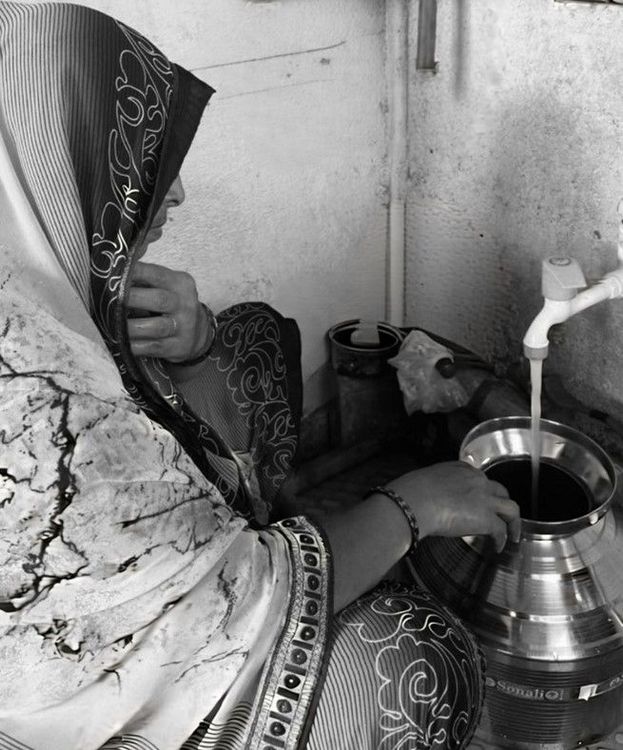
He specifically highlighted the disproportionate burden of water collection that continues to fall upon women and girls. “Countless women and young girls walk long distances in search of water for their households. The burden is not just physical; it also limits opportunities for education, economic empowerment and social participation,” he explained, painting a vivid picture of the daily realities faced by many.
Minister Adjei reiterated that effectively addressing water-related challenges necessitates the adoption of inclusive policies. “Improving water services is not only a development issue, but also a gender equality issue. Sustainable water management must be inclusive and equitable,” he asserted.
The government’s commitment to improving water access and sanitation was further detailed through its ongoing interventions. Key institutions such as the Ghana Water Company Limited, the Community Water and Sanitation Agency, and the Water Resources Commission are actively engaged in expanding access to potable water and enhancing sanitation infrastructure nationwide.
“We have made significant progress in expanding access to potable water and improving sanitation services across the country,” Minister Adjei reported. He added that strategic investments have been prioritized in water supply systems, encompassing both small-town water initiatives and the rehabilitation of existing urban infrastructure, with the explicit goal of ensuring no community is left behind.
Collective Action for a Water-Secure Future
However, the Minister acknowledged that the journey towards universal water security is ongoing. “As we commemorate World Water Day, we recognise that much remains to be done,” he said.
He identified critical threats to water resources, including rapid population growth, increasing urbanization, and mounting environmental pressures. Addressing these complex challenges, he stressed, requires a unified and collective approach.
“These challenges require not only government action, but a collective responsibility involving civil society, the private sector, traditional authorities and communities,” he concluded, emphasizing that a shared commitment is vital for safeguarding water resources and ensuring their sustainable management for future generations.