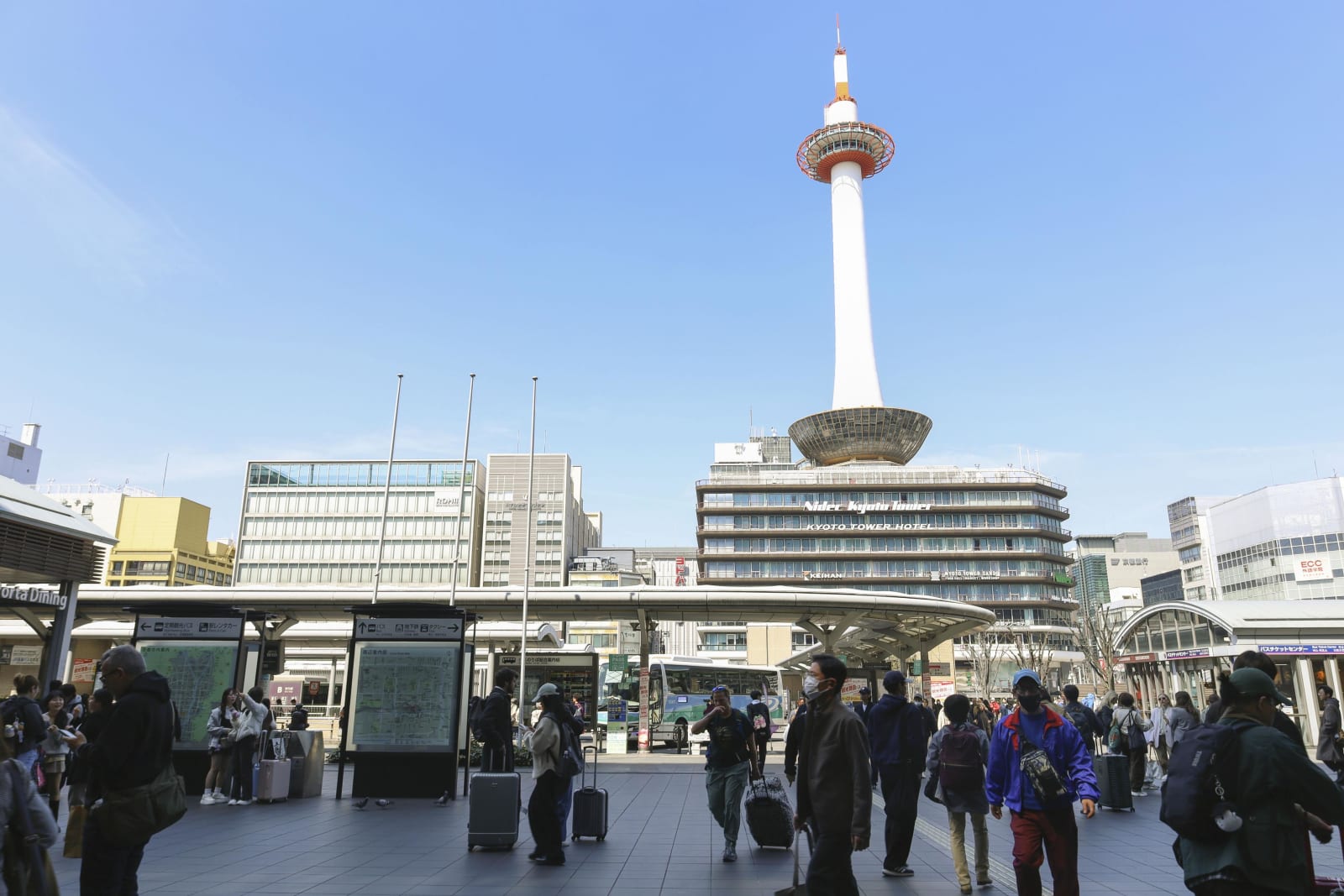
Kyoto Considers Skyrocketing Building Heights Near Station to Spur Urban Revitalization
An expert panel has proposed a significant overhaul of Kyoto’s building height regulations, suggesting a relaxation of the current 31-meter limit to as high as 60 meters in areas surrounding Kyoto Station. This ambitious proposal aims to inject new life into the vital gateway for visitors to the historic western Japanese city, potentially transforming its urban landscape and economic prospects.
The envisioned changes are intended to stimulate redevelopment, creating much-needed space for commercial enterprises such as offices and retail outlets. Proponents argue that the current height restriction has become a significant impediment for developers, hindering the creation of modern facilities and limiting opportunities for urban renewal. The panel believes that increasing the allowable building height would unlock the area’s full potential, fostering greater private sector investment and economic activity.
However, the proposal is not without its detractors. Concerns have been raised by various groups, including the local bar association, which has voiced strong opposition. Critics argue that such a drastic alteration to the cityscape could irrevocably damage Kyoto’s unique aesthetic and historical character. They fear that loosening regulations could lead to the erosion of the city’s distinctive charm, transforming its streets into generic urban environments indistinguishable from any other major city. This sentiment highlights the delicate balancing act Kyoto faces: embracing modernity while preserving its invaluable heritage.
Proposed Height Adjustments and Rationale
The expert panel’s draft paper outlines specific recommendations for the revised height limits:
- North of Kyoto Station: The panel deems it “appropriate” to raise the height limit to 60 meters in the area directly north of Kyoto Station. This would bring the allowable building height in line with the impressive stature of the station building itself, creating a more cohesive visual scale.
- Surrounding Areas: For other areas in the vicinity of the station, the proposal suggests a slightly more modest increase to 45 meters.
The rationale behind these recommendations stems from the identified lack of essential urban amenities in the current development. The panel points to a deficit in office space and public areas designed for social interaction. These limitations, they argue, are a direct consequence of the restrictive height regulations, which act as a bottleneck for developers seeking to undertake larger-scale projects that could address these needs.
Business Community’s Call for Change
The call for easing height restrictions is not a new one. The Kyoto Chamber of Commerce and Industry formally submitted a request to the city government in April of the previous year. Their plea was for a relaxation of the cap to 60 meters, emphasizing the critical need to foster an environment where private sector dynamism can be fully unleashed. At the time, the Chamber stressed, “It is essential to develop an environment in which private-sector vitality can be fully demonstrated.” This underscores the business community’s view that the current regulations are stifling economic growth and innovation within a key urban hub.
Following a recent meeting of the expert panel, Professor Tetsuharu Oba of Kyoto University’s graduate school, a member of the panel, expressed his perspective on the matter. He suggested that relaxing the regulations would ultimately present more diverse and beneficial options for future generations. This forward-looking statement implies that a more flexible approach to urban development could lead to a richer and more adaptable city in the long run, capable of meeting evolving societal and economic demands. The debate in Kyoto thus centers on finding a sustainable path that allows for growth without compromising the soul of this UNESCO World Heritage city.