Olympic Opening Ceremony: A Tale of Two Performances
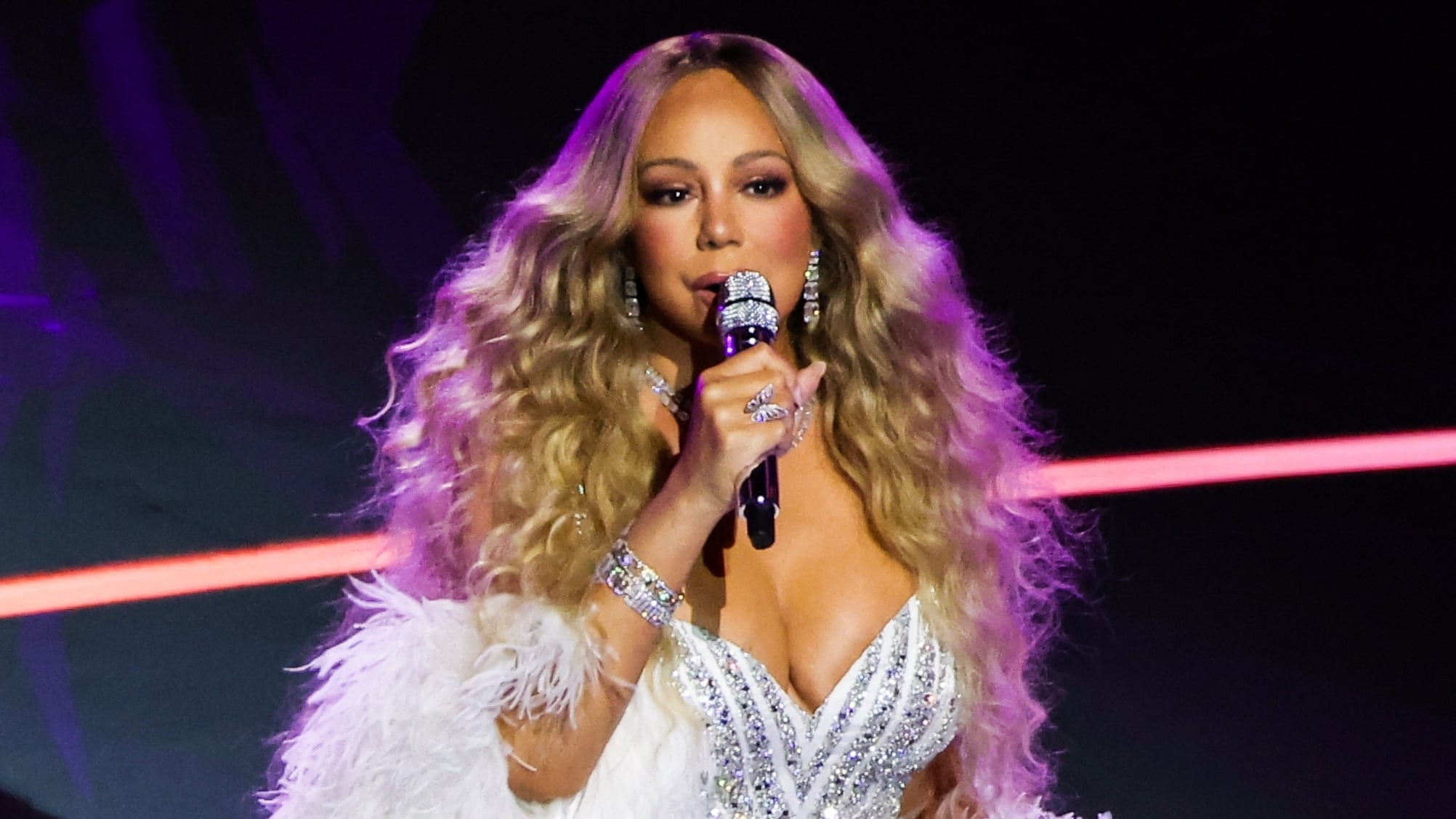
The opening ceremony of the 2026 Milan Cortina Winter Olympics, held at the iconic San Siro Olympic Stadium in Milan, Italy, was a spectacle of cultural celebration and athletic anticipation. However, the event was marked by a stark contrast in public reception to its headline performers, with pop superstar Mariah Carey facing allegations of lip-syncing, while Italian tenor Andrea Bocelli captivated audiences with a powerful and emotionally resonant performance.
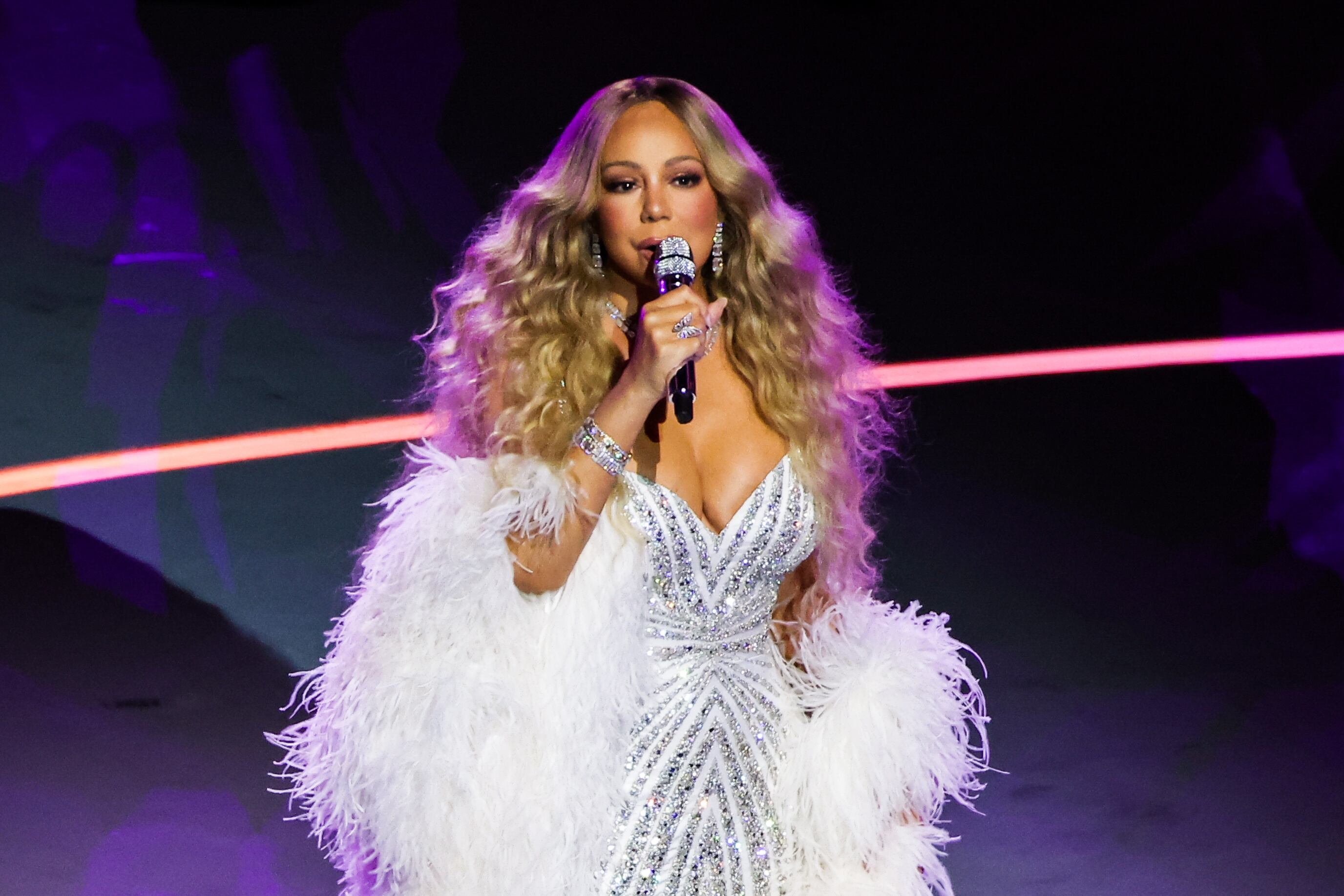
Mariah Carey took to the stage to deliver a rendition of “Nel Blu, Dipinto Di Blu,” a beloved Italian classic by Domenico Modugno, famously known for its “Volare” chorus. Reports indicated this was a significant moment, marking Carey’s first time performing the entire song in Italian. She followed this with her own hit, “Nothing Is Impossible,” concluding her segment with a gentle smile and a graceful hand kiss. While the initial reception was met with applause, some observers noted a perceptible dip in audience enthusiasm towards the end of her performance.
Controversy Surrounds Carey’s Performance
The aftermath of Mariah Carey’s performance was swiftly dominated by accusations of lip-syncing. Multiple media outlets were quick to point out perceived discrepancies, with social media platforms buzzing with comments. Netizens shared observations that her lip movements did not align with the audio, describing her stage presence as stiff, akin to reading from a teleprompter.
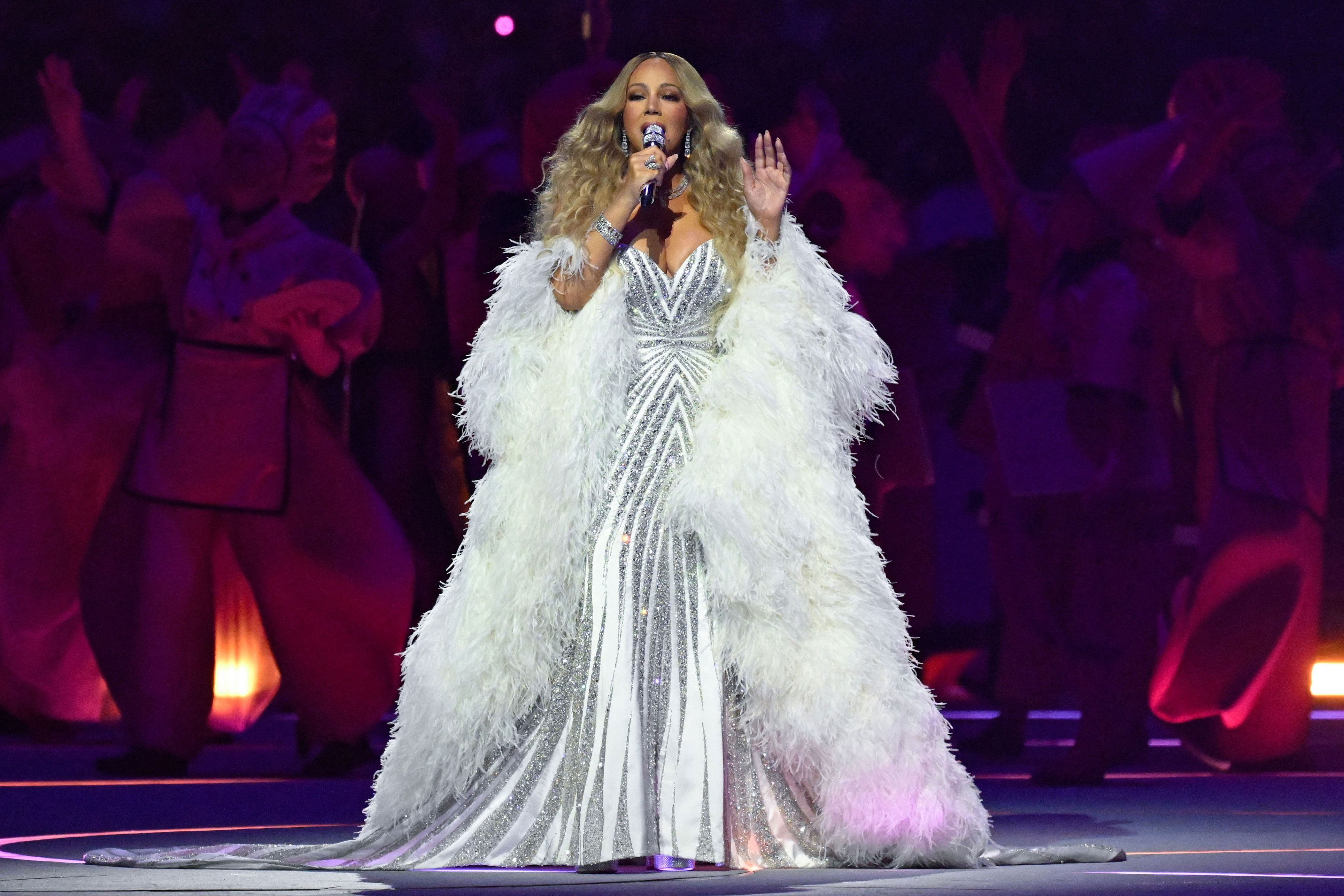
Overseas media amplified these sentiments, citing reactions from online communities that had captured instances of apparent synchronization failures between Carey’s lips and the music. These reports often carried a mocking tone, further fueling the controversy. While some defended the possibility of lip-syncing due to the logistical challenges of live sound reinforcement in a vast outdoor stadium, the debate raged on, particularly given the symbolic importance of an Olympic opening ceremony stage. The incident highlighted the intense scrutiny performers face on such global platforms, where every nuance of their presentation is analyzed.
Bocelli’s Triumphant Rendition
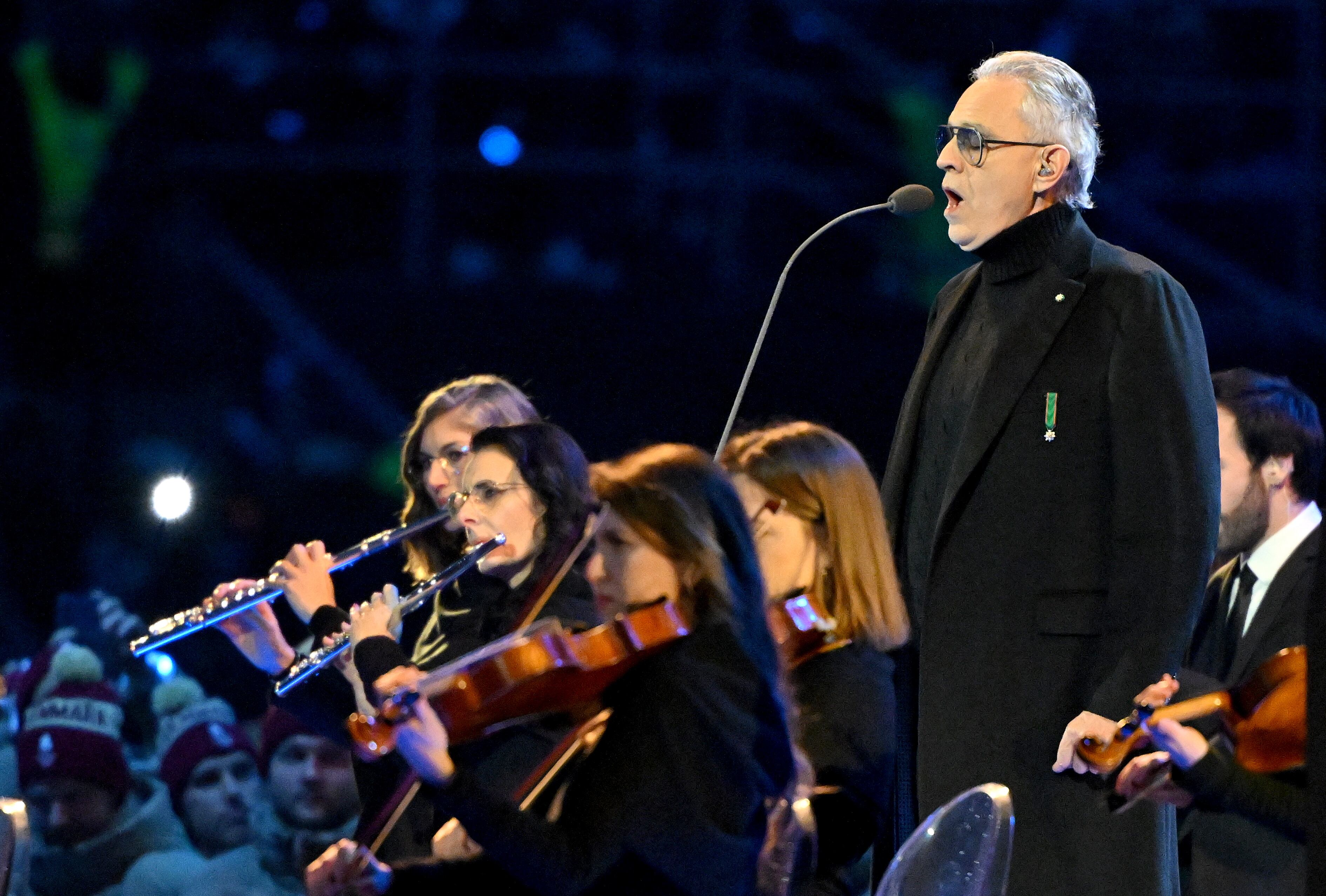
In sharp contrast to the controversy surrounding Carey, Andrea Bocelli’s appearance was met with widespread acclaim and admiration. The renowned Italian tenor, a figure of national pride, delivered a deeply moving rendition of “Nessun Dorma,” the iconic aria from Giacomo Puccini’s opera Turandot. His performance left an indelible mark on the ceremony.
Bocelli, dressed in an elegant black coat, commanded the stage as he performed the operatic masterpiece. The atmosphere within the San Siro stadium was already charged with emotion as the torch relay commenced. The relay itself presented a unique tableau, featuring legendary sports figures, including members of Italy’s victorious 1982 World Cup-winning football team. Instead of the expected athletic sprints, the torchbearers moved with a calm dignity, their progress underscored by the majestic and soaring notes of Bocelli’s voice.
The emotional crescendo of Bocelli’s “Nessun Dorma” resonated deeply with the audience, elevating the mood in the stands to its zenith. This particular aria holds significant historical weight in the context of the Winter Olympics, having been famously performed by Luciano Pavarotti during the 2006 Turin Winter Olympics, a performance that was particularly poignant as Pavarotti was undergoing cancer treatment at the time. Bocelli’s performance not only honored this legacy but also added a new layer of emotional depth to the ceremony’s narrative.
The juxtaposition of these two performances — one marred by controversy and the other celebrated for its artistry and emotional impact — offered a compelling narrative arc to the Milan Cortina Winter Olympics opening ceremony. While the allegations against Carey raised questions about authenticity in live performance, Bocelli’s powerful delivery served as a potent reminder of the unifying and transcendent power of music on the world stage. The event underscored the high expectations placed upon artists performing at such prestigious international gatherings and the diverse ways in which audiences engage with and interpret their contributions.