Tensions Escalate as Iran and US Exchange Demands Amidst Ongoing Conflict
The ongoing conflict involving Iran, the United States, and regional allies has reached a critical juncture, marked by a stark divergence in demands and escalating military actions. US President Donald Trump has asserted that Iranian negotiators are “begging” for a deal, a claim vehemently denied by Tehran, which has presented its own extensive counter-demands aimed at de-escalating the hostilities.
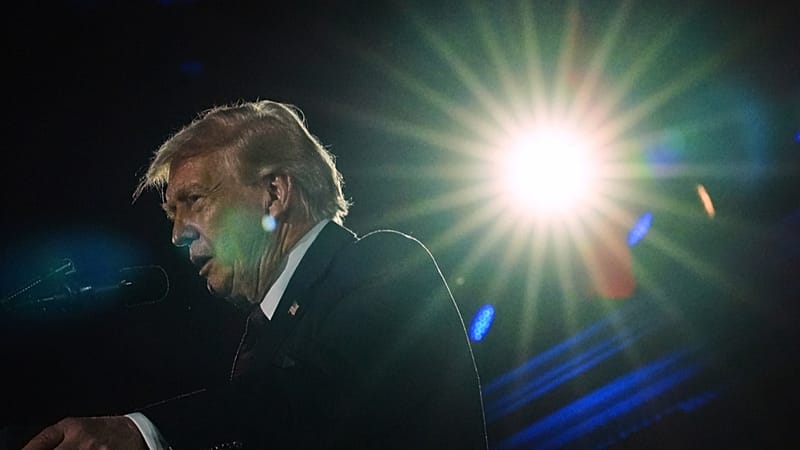
President Trump took to his social media platform to describe the Iranian negotiators as “very different and ‘strange.’” He elaborated, stating, “They are ‘begging’ us to make a deal, which they should be doing since they have been militarily obliterated, with zero chance of a comeback, and yet they publicly state that they are only ‘looking at our proposal.’ Wrong.” The US President issued a stern warning, adding, “They better get serious soon, before it is too late, because once that happens, there is no turning back, and it won’t be pretty.”
These pronouncements follow a period of intense diplomatic activity, with Pakistan emerging as a potential mediator. Earlier, Pakistani officials confirmed they had presented US demands to Iranian counterparts in an effort to initiate diplomatic processes for regional peace.
Key Demands and Counter-Demands
Sources familiar with the US proposal outlined several key components:
- Sanctions Relief: A lifting of economic sanctions imposed on Iran.
- Nuclear Programme Rollback: Significant limitations on Iran’s nuclear activities.
- Missile Limitations: Restrictions on Iran’s ballistic missile program.
- Reopening of Strait of Hormuz: Ensuring the free passage of vessels through this vital oil transit route, which accounts for a fifth of global oil supply.
In response, Iran, through its state-run media, unequivocally rejected the White House’s demands. Tehran countered with its own list of stipulations:
- Reparations for War: Compensation for damages incurred during the conflict.
- War Guarantees: Assurances that no future military actions would be launched against Iran.
- Halt to Official Killings: An end to targeted assassinations of Iranian officials.
- Sovereignty over Strategic Waterway: Asserting control over the Strait of Hormuz.
Furthermore, Iran has publicly stated that no direct or indirect negotiations have taken place with the United States to end the hostilities. Abbas Araghchi, Iran’s foreign minister, was quoted as saying, “No negotiations have happened with the enemy until now, and we do not plan on any negotiations.”
Escalating Military Operations
President Trump, speaking at a Republican fundraiser, reiterated his belief that talks were ongoing, stating, “They are negotiating, by the way, and they want to make a deal so badly, but they’re afraid to say it because they figure they’ll be killed by their own people.”
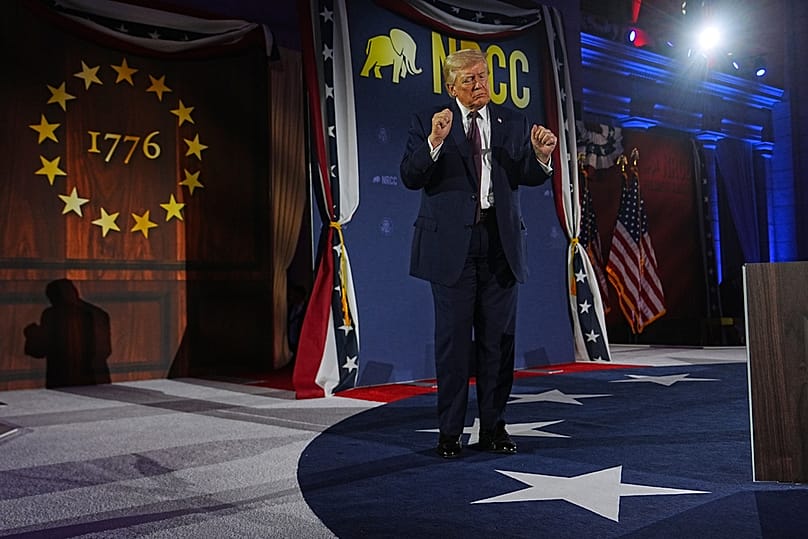
The rhetoric from the US President coincides with a noticeable increase in the intensity of US and Israeli strikes across Iran, as the war enters its 27th day. President Trump had previously warned of unleashing “hell” if Tehran failed to engage in a deal, threatening unprecedented military action.
Reports from activists in Isfahan, a city approximately 300 kilometers south of Tehran, indicated significant strikes early on Thursday. Isfahan is a strategic location, hosting major air bases, military installations, and a nuclear site that was previously targeted by US forces. A semi-official Iranian news outlet, reportedly close to the Islamic Revolutionary Guard Corps (IRGC), described these attacks as targeting “two residential areas.” Explosions were also reported in the eastern city of Mashhad.
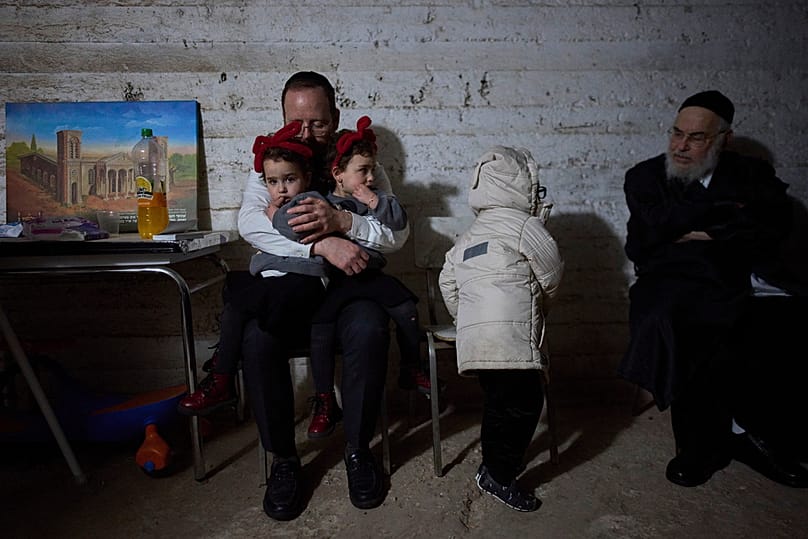
Simultaneously, air raid sirens sounded across Tel Aviv and other central Israeli cities, signaling incoming missile fire. It remains unclear whether Iran was directly responsible for this latest barrage or if it originated from Hezbollah, a Lebanese proxy group.
The conflict’s impact extends to the Gulf region, where Iran continues to launch drones and missiles at neighboring states. These attacks, many of which target military sites, have also affected civilian areas and critical energy infrastructure. The ongoing hostilities have led to the suspension of shipping and oil exports through the Strait of Hormuz, significantly contributing to a global energy crisis. Brent crude, the international oil benchmark, saw its price surge to around $104 a barrel on Thursday, a 60% increase from pre-war levels.
The human cost of the war continues to rise. Latest figures from Iran suggest the death toll has surpassed 1,500, although these numbers are difficult to independently verify. In Israel, the death toll has reached 20, while 13 US service members have been killed. Additionally, at least 22 individuals have died in Iranian strikes across the Gulf states.