Teacher’s Remarks in Classroom Not Considered Emotional Abuse, Supreme Court Rules
In a recent ruling that has sparked debate, the Supreme Court determined that a homeroom teacher’s harsh remarks to a student during class do not constitute emotional abuse. This decision overturns a lower court’s guilty verdict against an elementary school teacher for violating the Child Welfare Act.
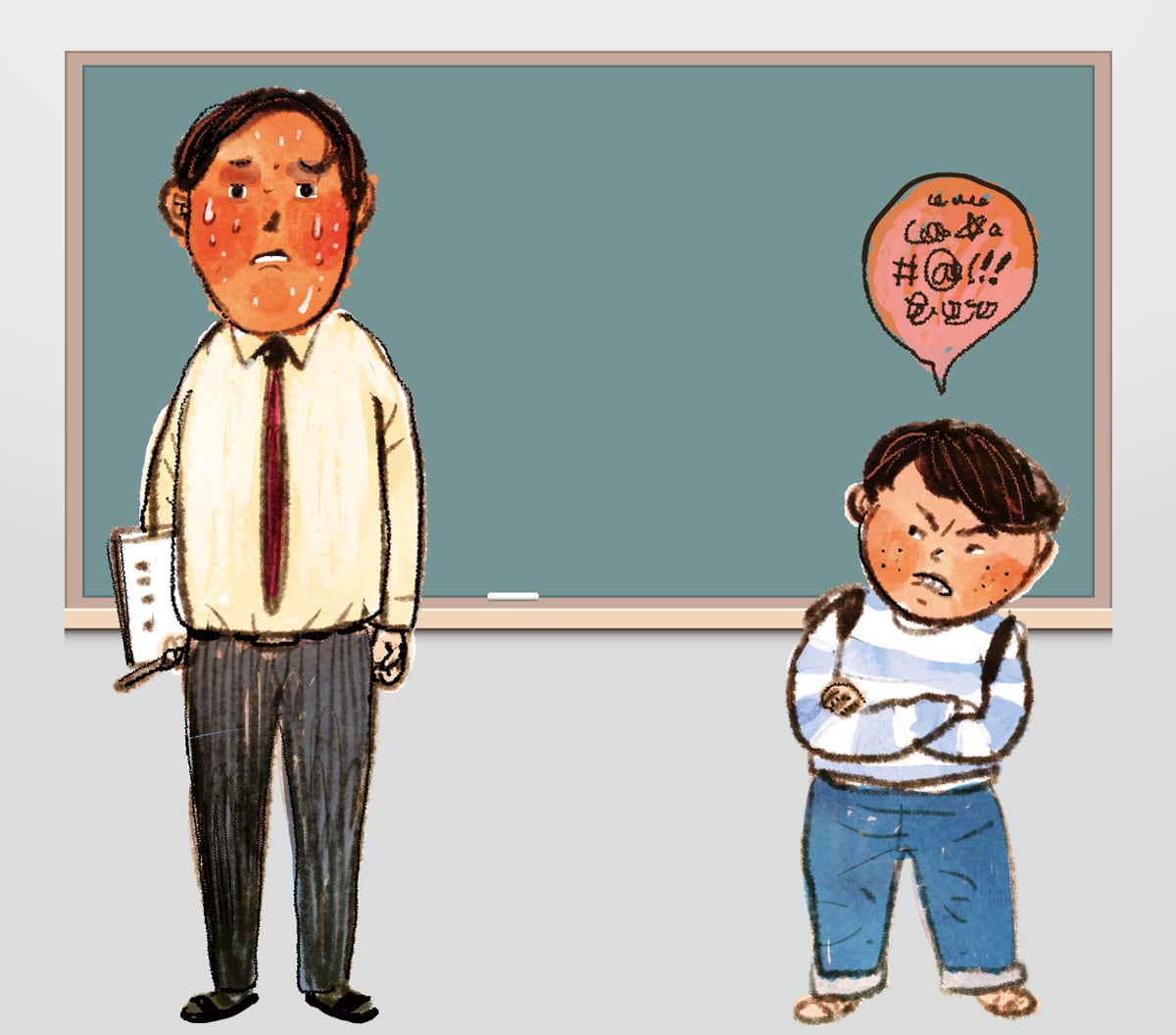
The incident in question occurred in June 2019 when a student protested during a physical education class performance evaluation. The student claimed they could not complete some of the items, but the teacher responded by stating that both the teacher and other students had witnessed them finish all tasks. The student continued to protest loudly in subsequent classes, arguing with the teacher.
In response, the teacher made the student stand at the back of the classroom and write a reflection letter, scolding them with phrases such as “Why are you lying?” During this process, the remarks in question were made. On the same day, the teacher also posted on a parent notification app: “There is a student who fabricates lies convincingly, cries while claiming innocence, and persistently insists they are wronged despite multiple witnesses. They lie and cry, saying they are unfairly treated.”
The next day, the student’s father requested a meeting with the teacher. According to reports, the teacher then privately told the student, “Your parents caused a commotion even when you were in kindergarten, didn’t they? Or rather, they must have caused a lot of trouble.” The prosecution indicted the teacher, arguing that these actions constituted emotional abuse.
Lower Courts Convict, Supreme Court Overturns Ruling
The lower courts agreed with the prosecution, finding the teacher guilty and imposing a fine of 2 million Korean won along with 40 hours of child abuse treatment. However, the teacher appealed, and the case reached the Supreme Court.
The Supreme Court ruled differently, stating that the victim’s behavior disrupted the learning rights of other students and the teaching authority of the homeroom teacher, constituting classroom disturbance. It added that the remarks were made to emphasize that lying is a serious wrongdoing during educational measures, aiming to calm the student who could not control their emotions through stern admonishment.
Regarding the remarks made after the parent’s call, the court noted that they were based on the judgment that the student lied to their parents about the evaluation process and had an educational intent, such as admonishment. The court also considered that no verbal abuse or physical violence occurred beyond the remarks and that the student’s mental health was not demonstrably harmed.
Protection of Teaching Authority
As issues of infringement on teaching authority have emerged, the Supreme Court has issued rulings focusing on protecting teachers’ rights. In 2024, the Supreme Court ruled that secretly recorded audio of a teacher’s classroom remarks cannot be used as evidence in court. This decision blocked parents from surreptitiously placing recorders in their child’s bag to confirm alleged child abuse and submitting the recordings to investigators.
Elementary school teacher B was indicted in 2018 for alleged emotional abuse, including remarks like “You seem like a student who didn’t attend school regularly” and “That kid is always out of their mind” to a transferred student. The lower courts convicted Teacher B, but the Supreme Court overturned the ruling, stating that classroom remarks fall under “unpublished conversations between others” protected by the Communications Secrets Protection Act. Teacher B was acquitted in June last year after retrial and final appeal.
A similar issue arose in the case of special education teacher C, indicted for allegedly abusing the son of webtoon artist Joo Ho-min. In September 2022, the Joo couple sent a recorder in their autistic son’s clothing after noticing unusual anxiety. The recording captured Teacher C saying, “Your manners are terrible. I’m talking about you,” and “I hate you. I really hate you.” The first trial found Teacher C guilty, but the second trial acquitted them last May, citing the Supreme Court precedent that secretly recorded evidence is inadmissible. The Supreme Court’s decision on this case remains pending.
Membership Offers
For those interested in accessing more content, there are various membership options available. A monthly membership costs 5,900 won, with a discounted rate of 2,900 won for newspaper readers. With the Chosun Membership, you can enjoy 8 different newspapers and magazines worth up to 55,000 won. Additionally, members receive 7,000 points that can be used like cash for shopping.