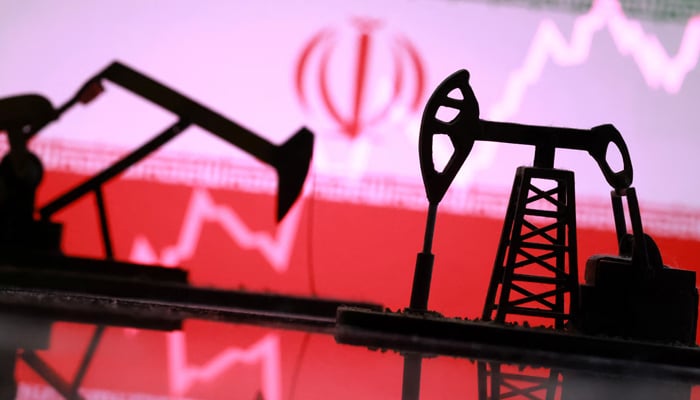
Escalation in US-Iran Tensions
On July 8, Pakistan reported that the United States has re-imposed restrictions on Iran’s oil sales. This move comes as the US accuses Tehran of targeting commercial vessels in the Strait of Hormuz. The sanctions mark a significant escalation in tensions between the two countries, despite a recent memorandum of understanding aimed at easing hostilities.
According to international media reports, the US has blamed Iran for alleged attacks on commercial ships passing through the Strait of Hormuz. In response to these accusations, the US Treasury Department has reinstated restrictions on Iran’s oil exports. This action has shortened the previously allowed period for oil sales, adding to the growing concerns over regional stability.
Under the earlier memorandum of understanding, the United States had permitted Iran to continue selling crude oil until August 21. However, the new decision has reduced this deadline to July 17, effectively ending the temporary relief earlier than planned. This change has raised questions about the future of the agreement and the potential for further conflict.
Iranian Response to US Actions
In reaction to the decision, Iran’s Foreign Ministry has described the new US measures as a violation of the memorandum of understanding. Iranian officials have stated that the country will take an appropriate response to protect its national interests and security. They have also emphasized that the United States will bear responsibility for the consequences of violating the agreement.
This statement highlights the deepening mistrust between the two nations. The Iranian government has consistently criticized the US for its actions, viewing them as an attempt to undermine Iran’s economic stability and regional influence.
Temporary Arrangement and Its Reversal
Last month, the United States had permitted Iran to export crude oil and petrochemical products under a temporary arrangement. This allowed for some level of economic activity and provided a brief reprieve from the strictest sanctions. However, the recent US sanctions on Iran oil now reverse that decision, adding fresh uncertainty to relations between the two countries.
The reversal of the temporary arrangement has sent shockwaves through the international community. Analysts suggest that this move could lead to further instability in the region, particularly given the strategic importance of the Strait of Hormuz.
Implications for Regional Stability
The situation remains highly volatile, with both sides preparing for potential confrontations. The US has increased its military presence in the region, while Iran has continued to assert its dominance through various means. The ongoing tensions have raised concerns about the safety of commercial shipping and the potential for broader conflict.
Experts warn that the situation could spiral out of control if not managed carefully. The international community is closely watching the developments, hoping for a resolution that avoids further escalation.
Conclusion
The reimposition of US sanctions on Iran’s oil sales marks a critical moment in the ongoing relationship between the two countries. As tensions continue to rise, the need for dialogue and de-escalation becomes more urgent than ever. The outcome of this situation will have far-reaching implications for regional stability and global energy markets.