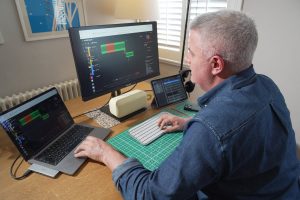
Simple Tech Habits That Boost Productivity
In the digital age, where technology is deeply integrated into our daily lives, productivity often hinges on small, thoughtful adjustments. From managing charging issues to mastering keyboard shortcuts, users have found that simple tech habits can significantly reduce digital friction and enhance efficiency.
Managing Charging Issues for Better Reliability
One of the most common frustrations users face is unreliable charging. Stefan Pociask shared an experience with his aging Samsung Galaxy S4, which suffered from slow and inconsistent charging. After multiple battery and cable replacements, he discovered that the real issue was the low-quality charging cables he had been using. These cables frequently failed at the connector due to internal wiring breaking from constant bending. By switching to a more durable cable, he resolved the issue without needing any high-tech solutions. This example highlights how even small physical fixes can eliminate daily disruptions and improve overall productivity.
Embracing Keyboard Shortcuts for Efficiency
Another key area where users find productivity gains is through the use of keyboard shortcuts. Technical writer Dan Strychalski described how his early computing experience led him to rely heavily on keyboard commands. By using Ctrl-based shortcuts, he minimized the need for a mouse or menu navigation, allowing him to work more efficiently. Over time, these commands became second nature, turning into muscle memory. This approach reduces context switching, which can cause interruptions in focus. For tasks involving heavy typing or editing, a keyboard-first approach can significantly streamline workflow.
Organizing Digital Resources for Faster Access
Digital clutter can be a silent productivity drain, especially for those who frequently research or work online. Mark Meyer, a computer science graduate, shared how he organized his browser bookmarks into structured folders and subfolders. He categorized them by purpose—work, reference materials, tools, and personal resources—and synced them across devices using browser accounts. This system not only kept his links organized but also made retrieval faster. By syncing his bookmarks, he eliminated the need to repeatedly search for the same resources, saving time and reducing stress.
Optimizing System Performance for Smooth Operation
System performance is another critical factor in productivity. David Toomey, a Windows user, shared practical habits for improving computer performance without spending extra money. He emphasized avoiding unnecessary add-ons like paid antivirus programs and bundled backup software, which often duplicate features already built into the operating system. Instead, he recommends relying on built-in security tools and using external storage options for backups. Additionally, he suggests reviewing startup programs and uninstalling unused applications to improve system responsiveness.
The Power of Simplification
Despite their different experiences, Stefan Pociask, Dan Strychalski, Mark Meyer, and David Toomey all highlight a common theme: productivity gains often come from simplification rather than expansion. Their insights show that improvements are not about adopting complex new systems but about removing inefficiencies. A better charging cable, a keyboard-based workflow, organized bookmarks, and a cleaner system all contribute to a smoother digital experience.
These adjustments may seem small in isolation, but together they create a more efficient and less stressful digital environment. As digital tools become more integrated into work, education, and communication, users often assume that productivity depends on advanced software or constant upgrades. However, these examples suggest that many of the biggest productivity gains come from better use of existing tools. A smartphone doesn’t need to be replaced to become more efficient; it may just need a reliable cable. A computer doesn’t need new software; it may just need fewer unnecessary programs running in the background.
By focusing on simplicity and efficiency, users can achieve significant improvements in their digital workflows. Whether it’s through better charging solutions, keyboard shortcuts, organized resources, or system optimization, small changes can make a big difference in daily productivity.