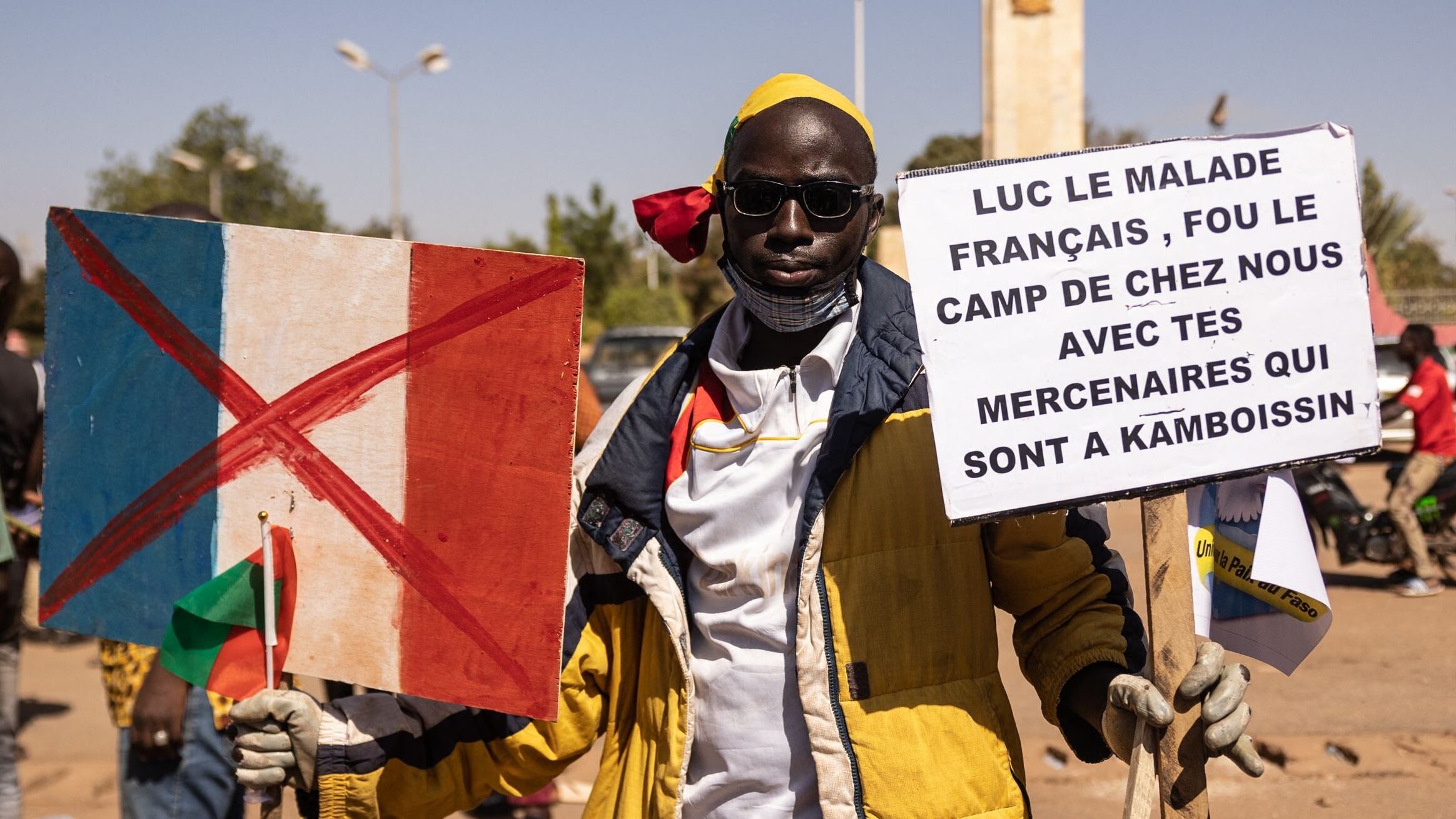
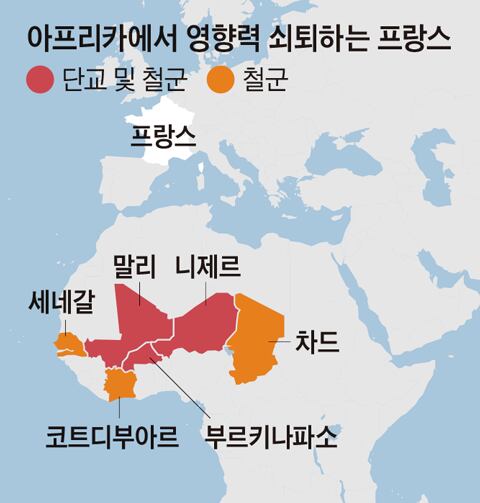
France has made a significant move by withdrawing all its diplomats from Burkina Faso, according to a report. This decision comes after Burkina Faso announced on June 26 that it would cut diplomatic ties with France. The West African nation, which gained independence from French colonial rule in 1960, still uses French as its primary official language and the CFA franc as its currency. This is part of a broader trend where several neighboring countries, including Mali and Niger, have also severed their diplomatic connections with France in 2023. These nations, like Burkina Faso, were once under French colonial control.
The relationship between former French colonies in West Africa and France has been deteriorating. Political instability, including multiple coups, has led to conflicts with France, with some governments turning towards authoritarian alliances such as Russia. This shift has resulted in the withdrawal of French troops and the severance of diplomatic relations in a chain reaction across the region. The phenomenon of “de-Frenchification” is particularly noticeable in the Sahel region, south of the Sahara Desert.
In the Sahel, military juntas have taken power through coups since 2020, leading to clashes with France over criticism and resulting in the withdrawal of French troops and the severing of diplomatic ties. Burkina Faso, the last country to cut ties with France, has seen its military junta criticize France as an “inept relic.” A military official appeared on state TV on June 26 and claimed, “France harbors neo-colonial ambitions, infringes upon our sovereignty, and supports subversive forces from behind the scenes.”
This trend is not limited to the Sahel. In Senegal, Côte d’Ivoire, and Chad, French troops stationed for over 60 years have withdrawn sequentially between 2024 and 2025. Senegal and Côte d’Ivoire are major powers in West Africa and long-standing allies of France, while Chad was a key stronghold for French forces in Africa.
Once, the term “Françafrique,” a blend of “France” and “Afrique” (French for Africa), was widely used, reflecting France’s immense influence in Africa. France acted as a de facto mother country by economically and militarily supporting independent French-speaking nations. African countries were also key pillars in the France-led cooperative body of French-speaking nations, the International Organization of La Francophonie (OIF). However, analyses suggest that military juntas and other forces, capitalizing on political instability and economic hardships in these countries, have aligned with Russia and China, which are expanding their influence to secure underground resources, leading to the weakening of France’s position.
France appears to be seeking a breakthrough in non-French-speaking Africa. In May, French President Emmanuel Macron co-hosted the “Africa Summit on the Move” in Nairobi with William Ruto, the president of Kenya, a former British colony and an English-speaking nation. French media analyzed, “France, which is losing influence in West Africa, is seeking to reorganize its African strategy.”
The shifting dynamics in Africa highlight a growing movement away from traditional Western influences. As countries seek new partnerships and strategies, the role of France in the region is being redefined. This transformation is not just about politics; it involves economic, cultural, and strategic shifts that will shape the future of Africa’s relationships with global powers. The implications of these changes are far-reaching, affecting everything from trade to security and international cooperation. As the continent continues to evolve, the story of its interactions with former colonial powers remains a critical narrative in understanding its path forward.