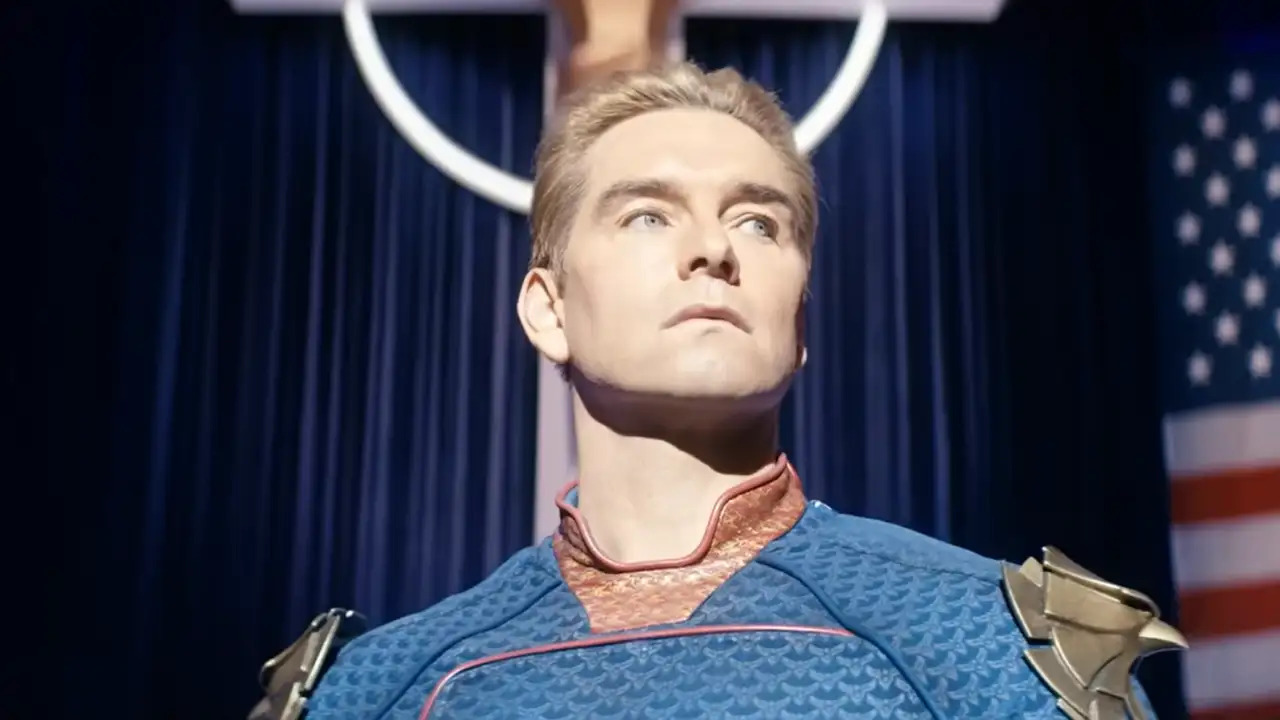
Antony Starr on a Hilarious, Yet Disturbing, Moment in The Boys
The Boys, Eric Kripke’s darkly comedic and often shocking take on the superhero genre, is no stranger to scenes that are simultaneously gory, disturbing, and laugh-out-loud funny. However, for Antony Starr, the actor who masterfully portrays the chillingly unhinged Homelander, some of these moments have struck him as downright hilarious, even if they delve into the show’s more unsettling themes.
Starr, a New Zealander himself, recently recounted a particular scene that had him in stitches for an extended period. It wasn’t the show’s notorious “milk joke” that sent him into a fit of laughter, but rather a moment that highlights the series’ brutal honesty about dysfunctional families and toxic parenting.
The Rooftop Push: A Moment of Unintended Comedy
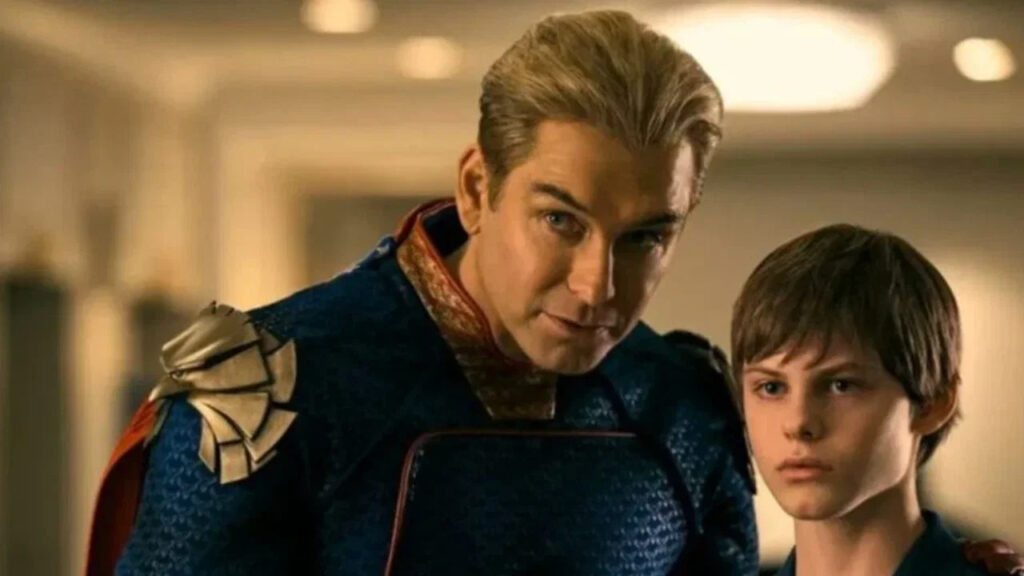
When discussing the most disturbing actions of his character, Homelander, Starr pointed to a specific scene: the one where Homelander pushes his young son, Ryan, off a rooftop. While the act itself is psychologically harrowing and mirrors the callousness Homelander inherited from his own father figure, Soldier Boy, Starr found an unexpected comedic element in it.
“I also thought of the little squeal that Ryan, the son, Cameron, made as he went off the roof,” Starr revealed in an interview with WIRED. “I think that’s the hardest, I laughed up to that point in the show.”
This seemingly bizarre reaction underscores the show’s ability to blend extreme darkness with moments of dark humour, often stemming from the characters’ deeply flawed perspectives. The scene, while terrifying in its implications, also serves as a stark illustration of Homelander’s warped understanding of parenting and his belief that such harshness is beneficial.
The Cycle of Trauma and Toxic Parenting
The theme of dysfunctional families and toxic parenting is a cornerstone of The Boys, deeply influencing its central characters. From Soldier Boy’s own emotionally abusive upbringing at the hands of his father, to Homelander’s subsequent perpetuation of this cycle, the show meticulously explores how trauma is passed down through generations.
- Soldier Boy: His overt displays of machismo are a thin veneer over deep-seated vulnerability, a direct result of his father’s devaluation and emotional abuse. This behaviour, in turn, shaped his own interactions and ultimately influenced Homelander.
- Homelander: Characterised by his apathy and manipulative nature, Homelander’s parenting style is a reflection of the toxic legacy he inherited. Starr himself views this approach as a form of “traditional parenting,” albeit a twisted one.
“I think that’s good parenting,” Starr explained. “See, I just think that that’s like old-school fathering when, you know, the kid falls over. Ah, yeah, your knee looks fine. Get on with it. Plus, he knew that the kid had superpowers, so he was gonna be all right. So, the kid learned a valuable lesson.”
However, Homelander’s “lessons” quickly escalate from psychological manipulation to outright physical abuse, as seen when he violently assaults Ryan, leaving the boy bloodied and in need of rescue by Billy Butcher.
- Billy Butcher: Even Butcher, a character driven by his own deep-seated trauma and a desire for revenge, becomes a reluctant father figure to Ryan. While his approach is rough around the edges, it contrasts with Homelander’s brutality. This is a surprising departure from his character in the comic books, where he is depicted as far more ruthless.
The impact of these dysfunctional family dynamics and toxic parenting styles extends beyond these three core characters. The show also delves into how these issues affect other figures like Starlight and M.M., who often grapple with finding a sense of normalcy amidst the chaos and the flawed role models they encounter. The Boys consistently prompts viewers to question the nature of heroism, family, and the enduring legacy of trauma within its darkly comedic narrative.