Pauline Hanson Advocates for Burqa Ban and Targeted Migration Restrictions
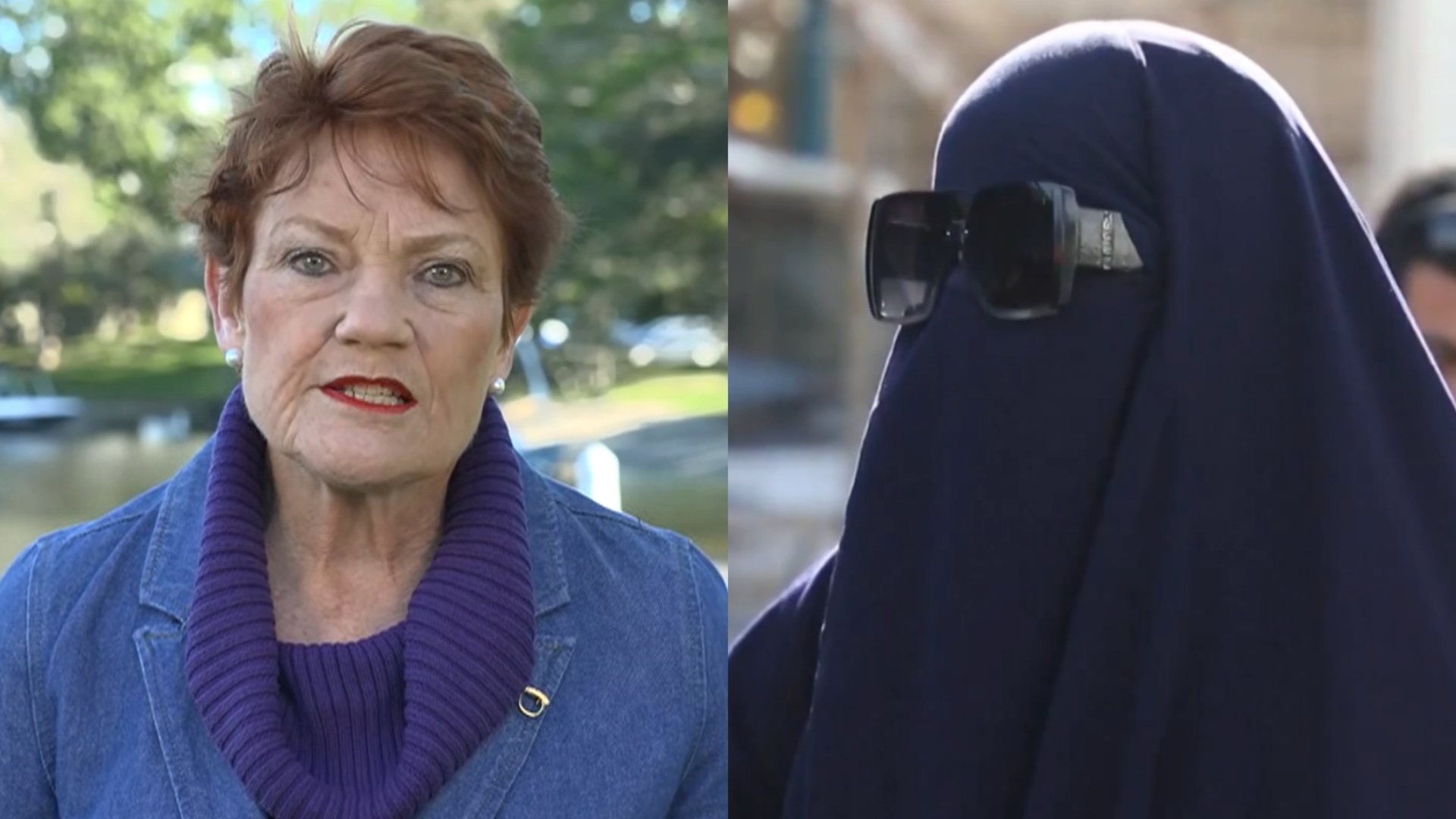
One Nation leader Pauline Hanson has reignited a prominent debate in Australia, calling for a complete ban on the burqa and expressing a desire to restrict migration from specific nations. The outspoken senator stated her intention to outlaw the full-face veil, arguing it is incompatible with Australian culture and lifestyle.
Ms Hanson elaborated on her stance, suggesting that individuals arriving from countries with “radical Islamists” and ideologies deemed not aligned with Australia’s values should face migration restrictions. She alluded to a past government’s approach to migrant selection, implying a preference for a more curated immigration policy.
“I want to ban the burqa,” Ms Hanson declared, emphasizing her belief that the garment is fundamentally at odds with the Australian way of life and should therefore not be permitted within the country.
This assertion places Ms Hanson at the forefront of ongoing discussions surrounding religious attire, cultural integration, and national security. The debate over the burqa, in particular, has been a recurring theme in Australian politics, often drawing passionate arguments from both proponents of religious freedom and those concerned about assimilation and security.
The Burqa Debate: Cultural Integration and Identity
The call for a burqa ban touches upon broader questions of cultural identity and the extent to which Australia should accommodate diverse religious practices. Proponents of a ban frequently cite reasons related to:
- Security Concerns: Arguments are often made that face coverings can hinder identification and pose a potential security risk in public spaces.
- Cultural Assimilation: Some believe that visible markers of distinct cultural or religious identity, such as the burqa, can impede the integration of new arrivals into mainstream Australian society.
- Gender Equality: Critics sometimes argue that the burqa represents a subjugation of women and is therefore incompatible with Australian values of gender equality.
Conversely, those who oppose a ban highlight:
- Religious Freedom: The right to practice one’s religion freely is a cornerstone of many democratic societies, and for many Muslim women, wearing the burqa is a deeply personal and religious choice.
- Discrimination: Banning the burqa is seen by many as discriminatory and an infringement on the rights of Muslim women to express their faith.
- Lack of Evidence: Opponents often point to a lack of concrete evidence linking the wearing of the burqa to specific security threats in Australia.
Migration Policy and National Interest
Ms Hanson’s comments on restricting migration from certain countries also tap into a sensitive area of public discourse. Historically, Australia has grappled with its immigration policies, balancing humanitarian concerns with national interests, economic needs, and social cohesion. The notion of selecting migrants based on their perceived ideological compatibility is a complex one, raising questions about:
- Definition of “Radical Islamists”: The term itself can be broad and subject to interpretation, leading to concerns about potential profiling and unfair targeting.
- Ideological Screening: Implementing effective and fair mechanisms for assessing the ideological compatibility of potential migrants presents significant challenges.
- Impact on International Relations: Such policies could have implications for Australia’s relationships with countries from which migration is restricted.
The former government’s alleged mindfulness in selecting migrants, as mentioned by Ms Hanson, suggests a historical precedent for considering the origin of immigrants. However, the specific criteria and effectiveness of such past approaches remain subjects of ongoing discussion and historical analysis.
The debate initiated by Pauline Hanson underscores the persistent societal discussions surrounding multiculturalism, religious freedom, and national identity in Australia. Her firm stance on both the burqa and migration policy is likely to continue to fuel these important, albeit often contentious, conversations.