Judge Halts Trump’s Bid to Rename Kennedy Center, Citing Congressional Intent
A significant legal battle over the naming rights of a prominent cultural institution has seen a decisive victory for the legacy of President John F. Kennedy. A federal judge has ordered President Donald Trump to remove his name from the John F. Kennedy Memorial Center for the Performing Arts, a move that had been met with considerable opposition.
District Judge Christopher Cooper in Washington, D.C., issued a ruling on Friday, effectively blocking the Trump administration’s attempt to officially rename the performing arts venue as the “Trump-Kennedy Center.” The judge’s decision was firm, stating that Congress had unequivocally made it “crystal clear” that the building is to be solely and formally identified with former President John F. Kennedy. Furthermore, Judge Cooper asserted that the center “cannot bear any other formal name or public memorial” based on what he deemed a “unilateral say-so” from a board appointed by President Trump.
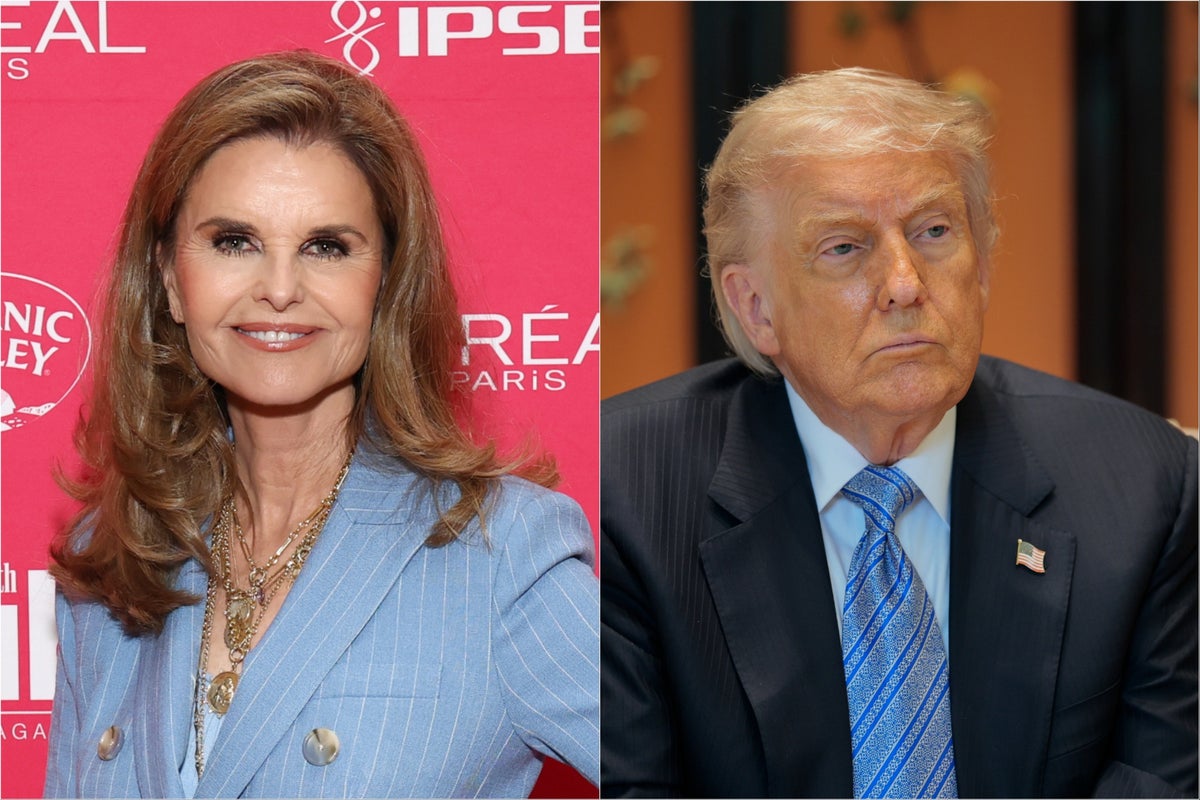
The ruling was met with strong approval from Maria Shriver, the daughter of John F. Kennedy’s sister, Eunice Kennedy. Shriver expressed her jubilation on Friday, the very day that would have marked President Kennedy’s 109th birthday. She described the judicial decision as an “appropriate birthday present on my uncle’s birthday today.”
In a statement shared on Threads, Shriver elaborated on the judge’s findings. She highlighted that a federal judge had determined President Trump and the Kennedy Center Board had acted unlawfully in their attempt to rename the center in his honour. The judge, she noted, concluded that only Congress possesses the authority to alter the Center’s name. This ruling also put a halt to the planned two-year closure of the facility, which was intended to facilitate renovations. While acknowledging the likelihood of an appeal, Shriver concluded, “for today, let’s celebrate a great birthday gift.”
Shriver, who is also the former wife of California Governor Arnold Schwarzenegger, has been a vocal critic of President Trump’s efforts to alter the Kennedy Center’s designation. In December, she had previously voiced her strong disapproval on Instagram, stating, “It is beyond comprehension that this sitting president has sought to rename this great memorial dedicated to President Kennedy. It is beyond wild that he would think adding his name in front of President Kennedy’s name is acceptable. It is not.”
Key Provisions of the Court Order:
- Name Removal: President Trump’s name, which was affixed to the center’s exterior in December, must be removed within the next two weeks.
- Closure Blocked: The president’s plans to close the Kennedy Center until 2028 for renovations have been prohibited.
- Capital Repairs Permitted: The order does not impede the Trump administration’s ability to proceed with planned capital repair work, which the court acknowledged as “sorely needed.”
President Trump responded to the ruling with a lengthy statement on his Truth Social account, expressing strong disagreement with the judge’s decision. He argued that it would be “impossible” to keep the institution operational during ongoing construction. He further stated that he now has “no interest” in pursuing the renovations. Instead, he indicated a desire to “be working with Congress to transfer this failing Institution back to them so they can make a determination as to what to do with it.”
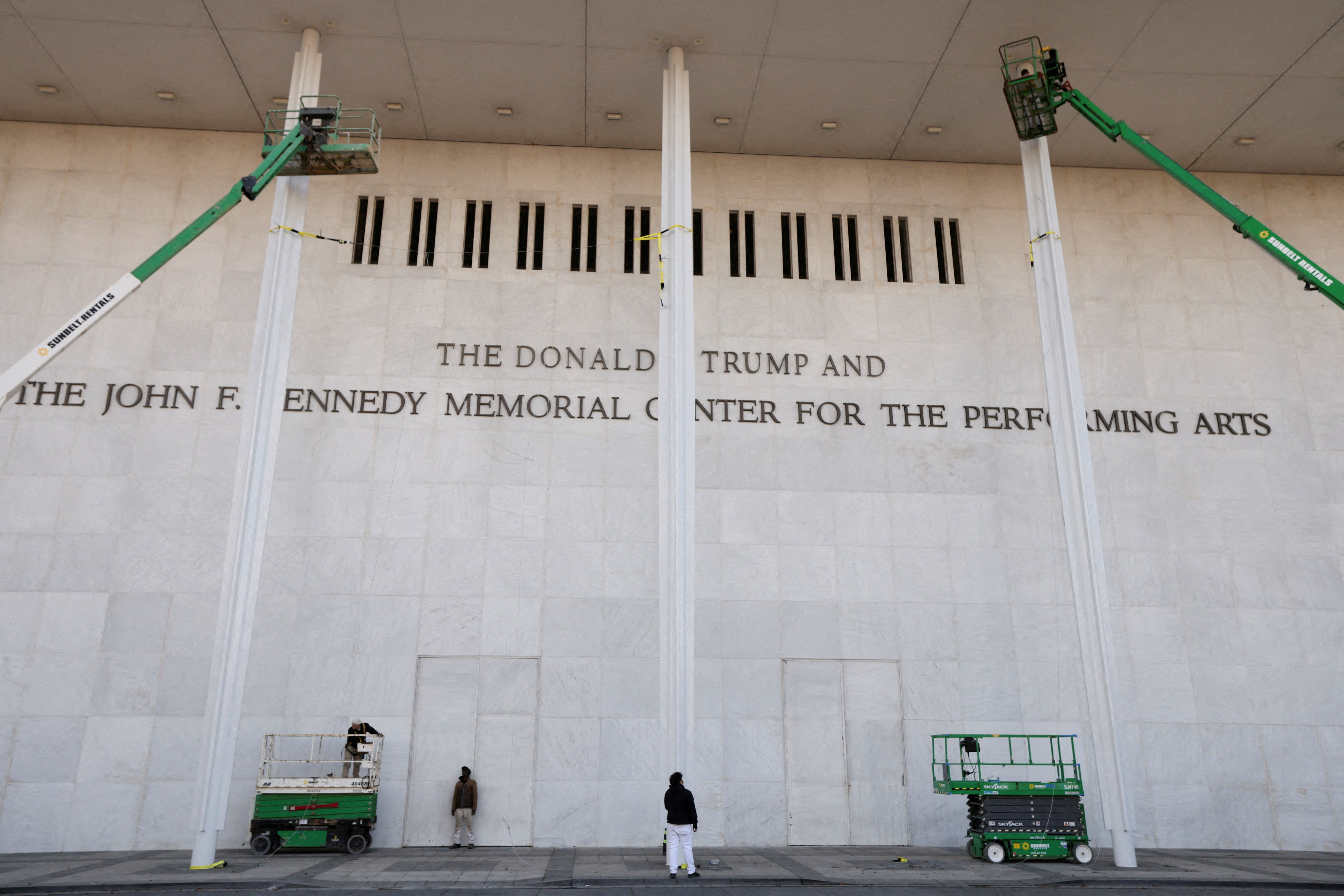
The judge’s order also cast a critical eye on the Kennedy Center’s Board of Trustees, which had appointed President Trump as a member. Judge Cooper found the board “derelict in discharging the full range of its responsibilities to the Center” by agreeing to the closure at the president’s behest. The court detailed that the board’s decision was based on “an insufficient, one-sided presentation of information and neglected to consider the full range of its statutory obligations and potential adverse consequences of closure on programming and memorial functions.”
The ruling underscores the importance of congressional intent in matters of national memorials and highlights the judicial branch’s role in ensuring such institutions remain true to their founding purposes. The legal challenge and its resolution serve as a significant moment in the ongoing debate surrounding the preservation of historical legacies and the appropriate use of public spaces.