

AUKUS Partners to Fortify Undersea Cables Amid Growing Seabed Security Concerns
Defence Minister Richard Marles has underscored the escalating importance of protecting vital undersea communication and infrastructure, revealing that the trilateral AUKUS partnership will be developing cutting-edge technology to safeguard these critical assets. This initiative comes as the seabed is increasingly being recognised as a potential “battlefield,” a sentiment Marles articulated at the Shangri-La Dialogue in Singapore, Asia’s premier defence and security summit.
“The seabed is becoming a battlefield,” Marles stated, highlighting the growing vulnerability of global infrastructure. He further elaborated on the increasing pressure on critical maritime chokepoints, essential for the region’s economic prosperity. “The chokepoints through which our region’s prosperity flows are under a pressure they have not experienced in the modern era.”
Marles pointed to recent incidents as stark examples of this vulnerability. He cited the severing of undersea cables in the Taiwan Strait, with five such incidents occurring in the past 18 months, and three similar occurrences in the Baltic Sea. While these events have been alleged to involve China and Russia respectively, Marles acknowledged the possibility of accidents.
“Now, maybe these were accidents. But even if they were, it highlights the vulnerability of this crucial part of the globe’s infrastructure,” Marles remarked. He posed a critical question to the international community: “If they were intentional, we are left to wonder: are countries testing our response times, testing our attribution thresholds and testing our political will to respond?”
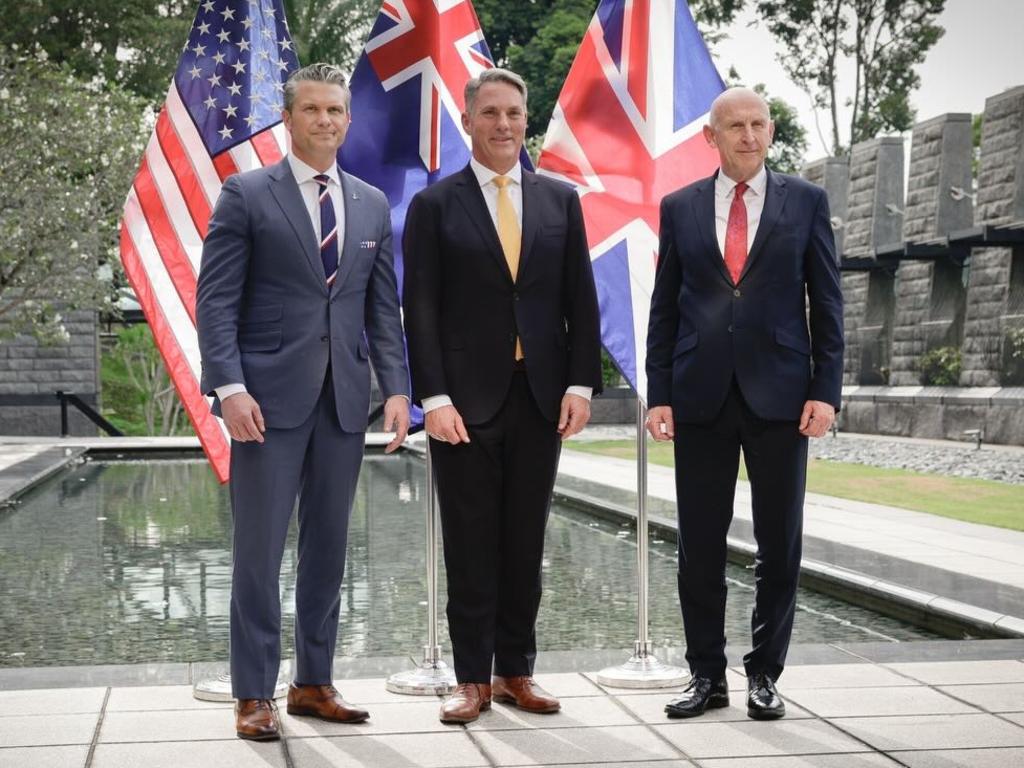
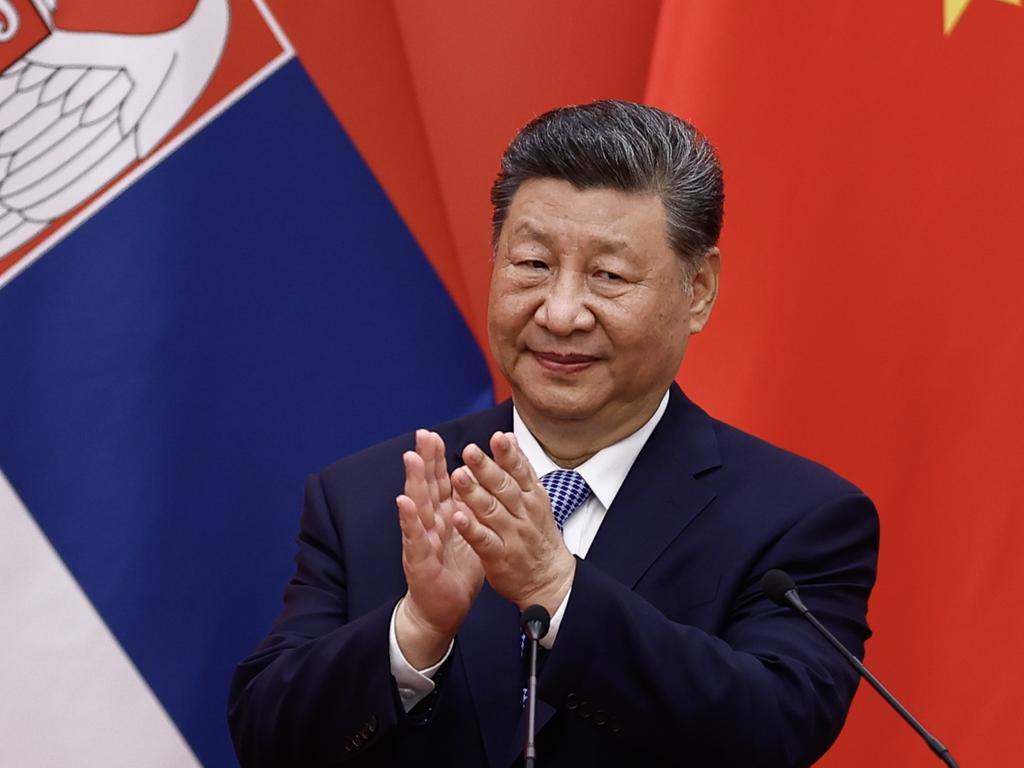
Beyond security concerns, Marles also touched upon the significant progress made in stabilising the relationship between Australia and China. He expressed Australia’s desire for a “stable and productive relationship with China,” asserting that such an outcome is achievable.
“Australia wants a stable and productive relationship with China, and we believe that is achievable,” Marles stated. He further suggested that China has a significant opportunity to contribute to regional stability. “And China has a real opportunity. A commitment to transparency around its maritime operations would be a meaningful contribution to the regional stability upon which China’s own prosperity depends.” He added that adherence to international law in resolving maritime disputes would further bolster this stability.
AUKUS Pillar Two Project Targets Undersea Infrastructure Protection
In a significant announcement following meetings with his US and UK counterparts in Singapore, Marles revealed the first project to be undertaken under Pillar Two of the AUKUS agreement. This ambitious initiative is designed to “significantly enhance AUKUS partners’ ability to protect critical national seabed infrastructure.”
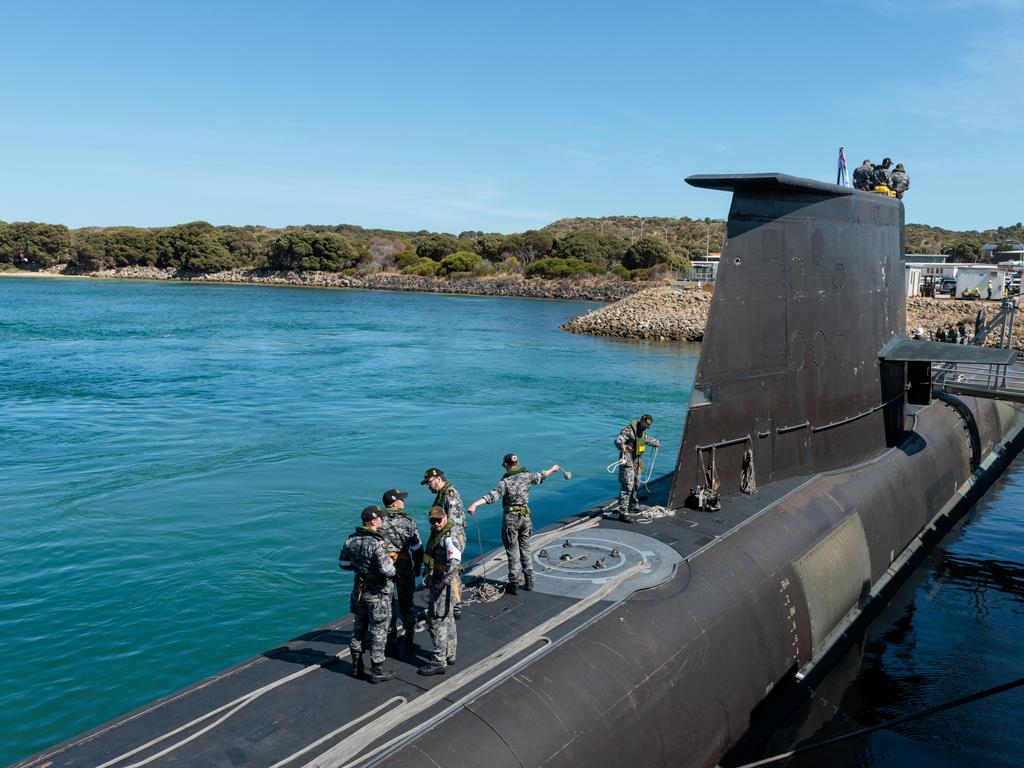
The technology, slated for delivery by 2027, will be integrated with uncrewed submarine systems. Its primary objectives include:
- Deploying cutting-edge surveillance and reconnaissance capabilities: Enabling enhanced monitoring of undersea environments.
- Integrating strike capabilities: Providing a deterrent and response mechanism.
- Conducting logistics operations: Supporting sustained undersea operations.
- Bolstering superiority in anti-submarine and anti-surface warfare: Strengthening defences against maritime threats.
US Defence Secretary Hails Australia’s Defence Investment
Adding to the discourse on regional security, US Defence Secretary Pete Hegseth commended Australia for its proactive stance in defence investment. Hegseth, while addressing other Pacific allies, suggested that some nations have been seeking a “free ride” and relying excessively on American resources.
“The era of the United States subsidising the defence of wealthy nations is over,” Hegseth declared, signalling a shift in US defence policy. He praised Australia, alongside South Korea, Singapore, the Philippines, and Japan, for their commitment to increasing defence spending.
“Australia is stepping up,” Hegseth affirmed. He highlighted the expanding rotational presence of US forces in the region and the collaborative efforts to bolster the defence industrial base for high-end conflict readiness. “Together we are expanding the rotational presence of US forces and collaborating to ensure our defence industrial base builds and sustains weapons required for a high-end fight.” He concluded by expressing appreciation for Australia’s investment in “real combat power” and its deepening integration with the US Joint Force.




Leave a Reply