
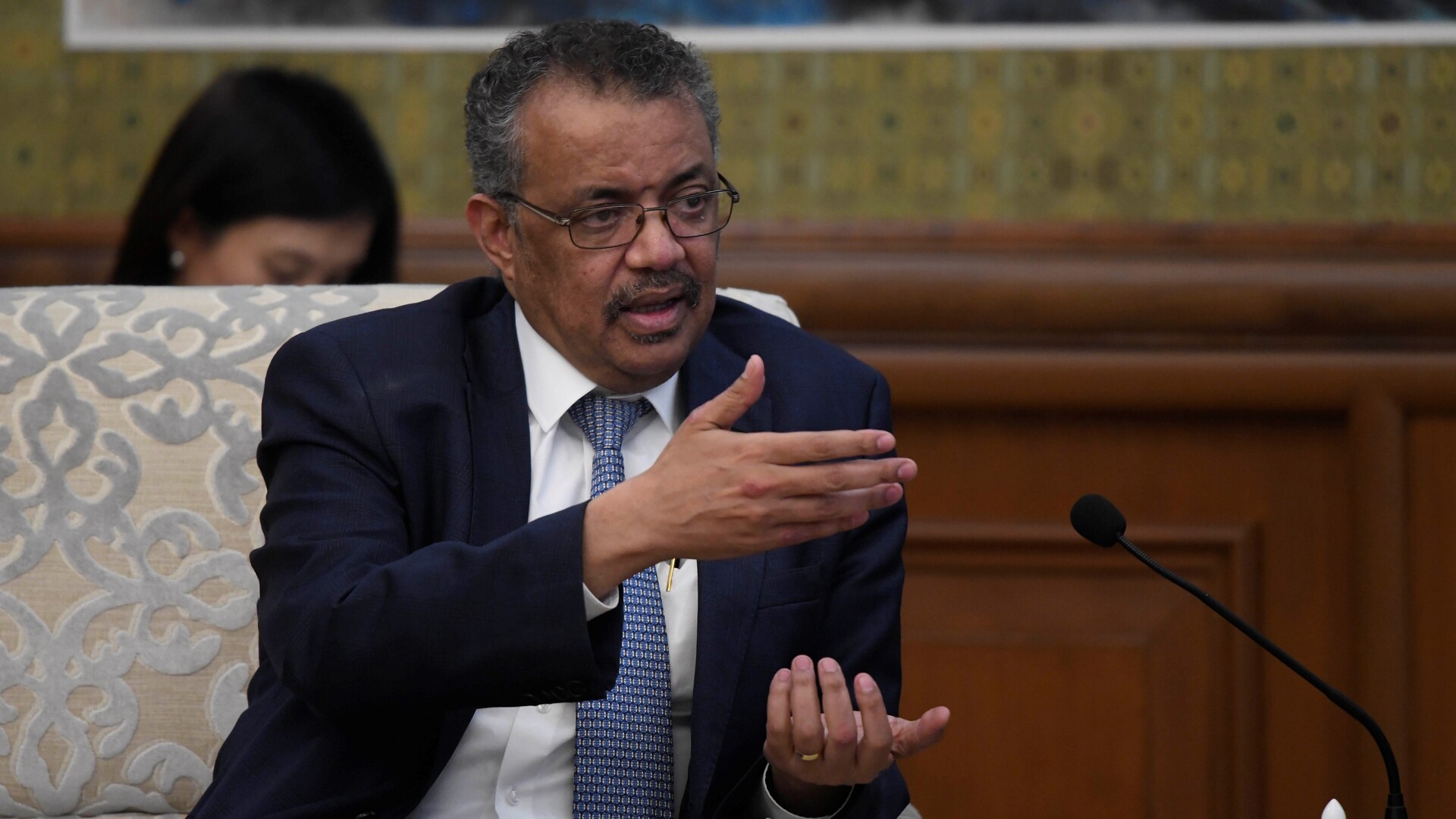
The World Health Organisation’s (WHO) top official has touched down in the Democratic Republic of the Congo (DRC) as the nation grapples with a concerning resurgence of the Ebola virus. The visit by WHO Director-General Tedros Adhanom Ghebreyesus underscores the gravity of the situation, with the outbreak showing no signs of abating.
The DRC is currently facing a dire public health crisis, having recorded a tragic toll of at least 223 lives lost to the virulent disease. The grim statistics don’t end there; the nation has also witnessed over 1,000 suspected cases, painting a stark picture of the epidemic’s reach. This latest wave of Ebola presents a significant challenge, particularly given the complex operating environment in many parts of the DRC.
A Call for Community Cooperation in Conflict Zones
Director-General Tedros Adhanom Ghebreyesus has issued a direct appeal to communities residing in areas affected by ongoing conflict. He stressed the vital importance of their cooperation and support in the collective effort to contain and ultimately eradicate the outbreak. In regions where security is already a major concern, gaining the trust and active participation of local populations is paramount to the success of any public health intervention. Medical teams often face immense difficulties accessing remote or dangerous areas, and without community buy-in, their efforts can be severely hampered.
The WHO chief’s presence signals a commitment to bolstering the response, but it also highlights the urgent need for a coordinated and multifaceted approach. This includes not only medical interventions but also a deep understanding of the social and political dynamics at play in the affected regions.
The Urgent Plea for Increased Funding
Beyond the immediate on-the-ground efforts, the global health agency is amplifying its calls for a significant increase in financial resources. Aid organisations have been sounding the alarm, warning that the outbreak is not only persistent but is also accelerating its spread. This rapid pace of transmission puts immense pressure on already stretched healthcare systems and humanitarian operations.
Adequate funding is crucial for a number of reasons:
- Essential Supplies: Procuring vital medical equipment, personal protective equipment (PPE) for healthcare workers, diagnostic tools, and life-saving treatments requires substantial financial investment.
- Logistical Support: Reaching remote and often inaccessible communities demands robust logistical capabilities, including transportation, communication infrastructure, and personnel deployment. This is particularly challenging in the DRC, a vast country with often underdeveloped infrastructure.
- Contact Tracing and Surveillance: Effective containment hinges on rigorous contact tracing and ongoing surveillance to identify and isolate new cases quickly. These activities are labour-intensive and require sustained funding.
- Public Health Messaging and Education: Dispelling misinformation, educating communities about prevention methods, and promoting safe burial practices are critical components of an effective response. These require resources for outreach campaigns and community engagement.
- Research and Development: While immediate responses are vital, sustained funding also supports research into new vaccines, treatments, and diagnostic technologies that can improve future responses to Ebola outbreaks.
The interconnectedness of the Ebola crisis with existing humanitarian challenges, such as poverty, lack of access to clean water, and ongoing conflict, means that a comprehensive funding strategy is essential. Aid organisations have repeatedly stated that without a significant influx of funds, the ability to effectively combat the outbreak will be severely compromised, potentially leading to further loss of life and a prolonged crisis. The international community’s response in terms of financial aid will be a critical determinant in the DRC’s ability to overcome this devastating health emergency.


Leave a Reply