Rising Fuel Costs and Airline Adjustments
Several airlines have already had to make changes to their prices, whether that’s checked baggage fees or ticket costs, due to the ongoing conflict in the Middle East. This situation has led to significant disruptions in the supply chain of jet fuel, which is critical for the aviation industry.
Fuel Supply Challenges
Approximately 40 per cent of Europe’s jet fuel is sourced from the Strait of Hormuz, a vital waterway that has nearly been completely closed due to the war. Additional supplies are also sourced for the UK indirectly, including via Belgium and the Netherlands. The last known shipment of jet fuel from the Middle East to Britain is expected to arrive imminently. However, once that arrives, with the Strait of Hormuz still largely off limits, it remains uncertain what will replace the major source of fuel.
A spokesperson for the Department for Energy Security and Net Zero recently told the Daily Mail that ‘Jet fuel shipments are continuing to arrive in the UK’ and emphasized that the country ‘receives imports of jet fuel from India, US and the Netherlands as well as smaller amounts from a range of other countries’.
Impact on Airlines
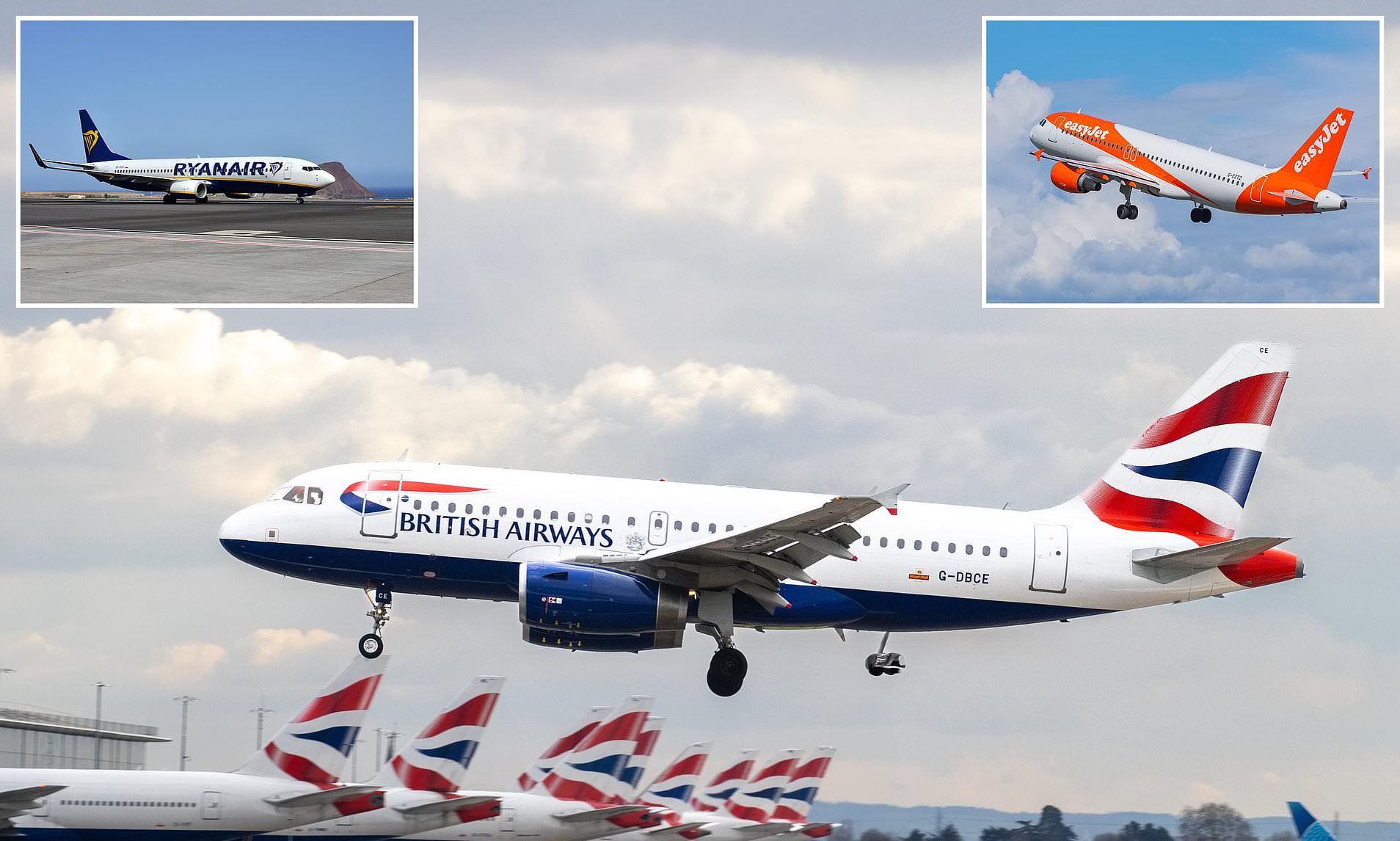
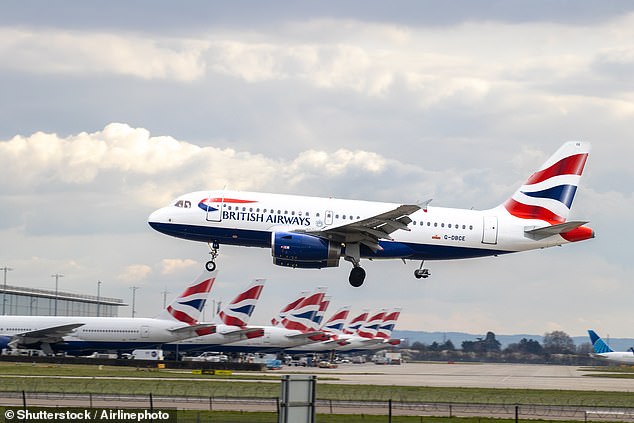
Travel expert Simon Calder explored the potential impact of jet fuel rationing on British Airways, Ryanair, and easyJet. He estimated that passengers could be affected if airlines have to reduce their fuel consumption by one fifth. British Airways, he noted, is better prepared because it is accustomed to cutting flights at the request of London Heathrow due to poor weather. The airline sometimes cancels European trips such as to Amsterdam or Nice and offers passengers the chance to rebook a route before or after the original departure time.
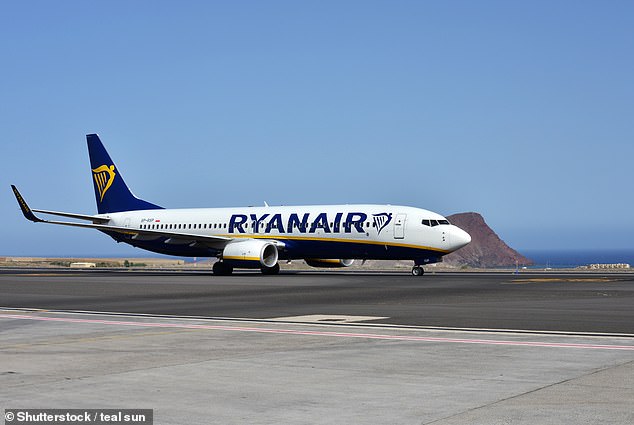
Calder predicts this technique could easily be applied to long-haul destinations if needed. As for Ryanair, the budget airline’s CEO Michael O’Leary has warned passengers could face disruption from ‘early May’. He mentioned that if the war continues, there is a risk of supply disruptions in Europe in May and June. However, Calder believes the carrier has the flexibility to move things around if necessary.
Back in 2017, Ryanair canceled around 20,000 flights due to issues with its holiday rosters for pilots. The airline could easily make ‘tolerable’ cuts to popular routes that have frequent flights, such as from Stansted to Barcelona, according to Calder.
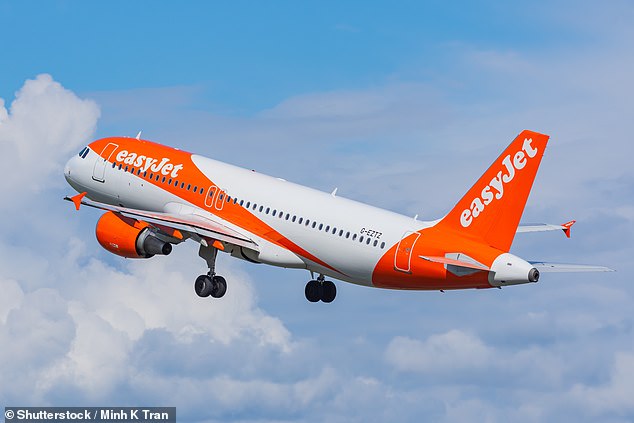
Meanwhile, easyJet, a major budget airline, could also make some cuts. It has several routes that fly out multiple times a day, such as the Manchester to Amsterdam flight which takes off six times each way. Calder thinks it would be easy for the carrier to cut back on similar routes to help save fuel, without impacting passengers too much.
However, there are journeys operated by easyJet that aren’t as frequent, including Newcastle to Antalya, which only runs twice a week. Changes to these flights could cause bigger issues for travelers as they aren’t so easily replaced by a route within a few hours.
Regional Carrier Disruptions
Some airlines have already been impacted by the ongoing conflict. Last week, regional carrier Skybus had to end its daily service between Newquay and London early due to rising fuel costs. It was due to stop the flights on May 31 but managing director Jonathan Hinkles pointed to a ‘huge rise in the cost of fuel following the war in the Gulf’ alongside a ‘significant drop’ in bookings.
He said: ‘At a time of great economic uncertainty and steps being taken to conserve energy worldwide, it is neither environmentally nor economically sound for us to continue flying with vastly reduced passenger numbers.’ Passengers affected by cancellations will receive full refunds, the airline confirmed.
Expert Warnings and Recommendations
Former airline captain Emma Henderson MBE told the Daily Mail that it could reach a point where there is simply ‘not enough’ fuel. She said: ‘The bottom line is that if oil is not released from the Straits of Hormuz, there will come a point when there is not enough – and this is already happening in Europe where some airports have run out of jet fuel.’
Despite any unknowns over when and where jet fuel might be sourced from next, the aviation expert says holidaymakers don’t need to be too concerned. Henderson adds, ‘I don’t think people need to panic about their summer holidays being cancelled but I think we all need to be aware of what’s going on and the impact it is potentially going to have on our lives.’
The keynote speaker predicts long-haul flights are most likely to be impacted first by shortages due to them being ‘fuel hungry and less cost effective than short haul flights’. However, if the situation continues, she warns ‘there might be an impact on some flights as airlines have to reduce capacity’.
The cost of flights could be affected down the line by jet fuel shortages too, Henderson explains. ‘It will also impact the cost of flights in the long run but not necessarily yet because large airlines hedge fuel prices and will be protected on price for most of 2026 but that’s only good if you can actually get the stuff into the country in the first place isn’t it,’ says the former pilot.
She advises people should plan ahead and consider alternate ways to travel and says, ‘I’m still planning and booking flights (my work as a professional speaker takes me around the world and I do a lot of work in Europe) but in the back of my mind I am also thinking about other ways I can get to places – by sea and land. I’m thinking of it as a possible adventure rather than a blockage and I think we could all have that adaptable approach.’