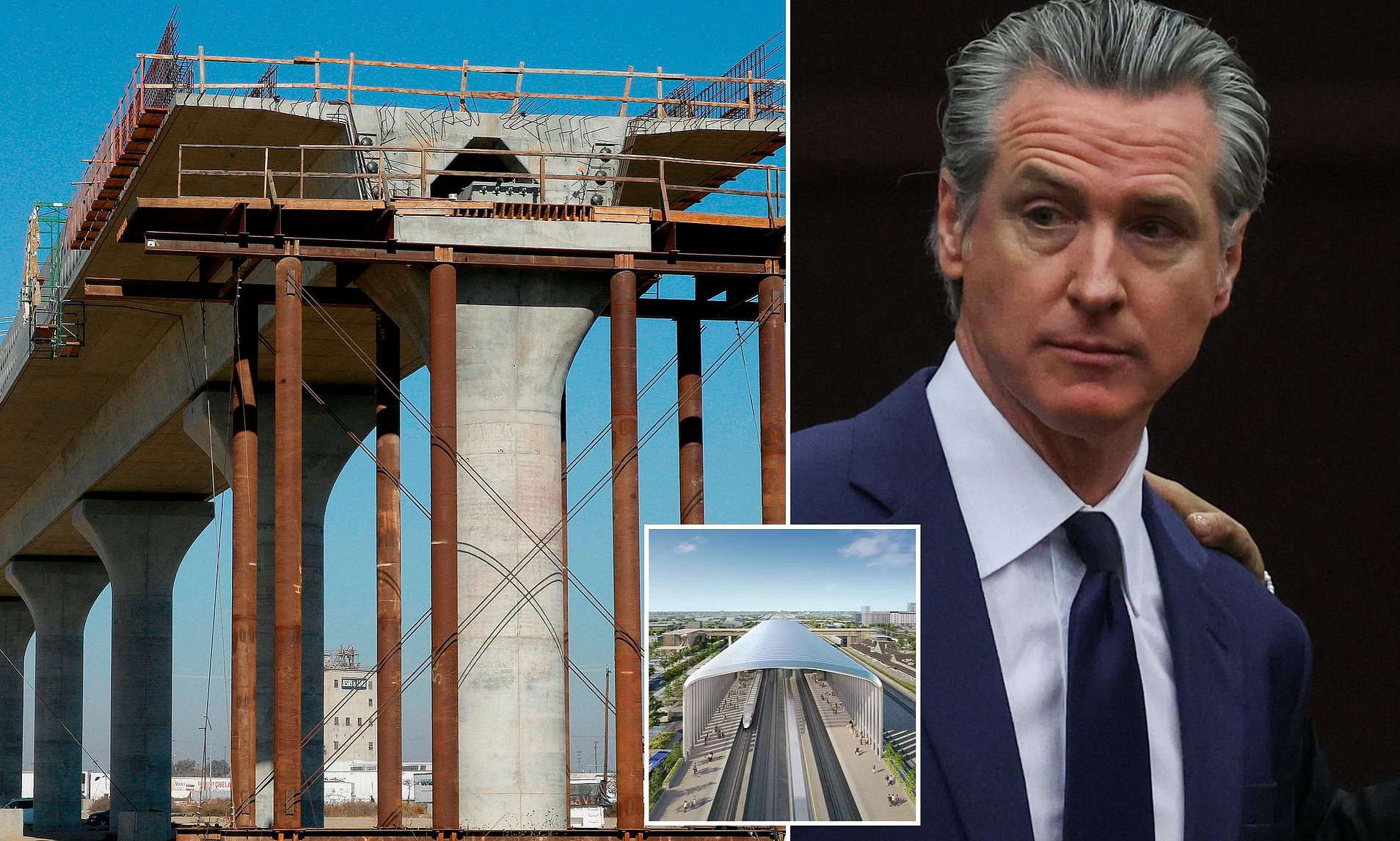
California High-Speed Rail Project Faces Major Challenges
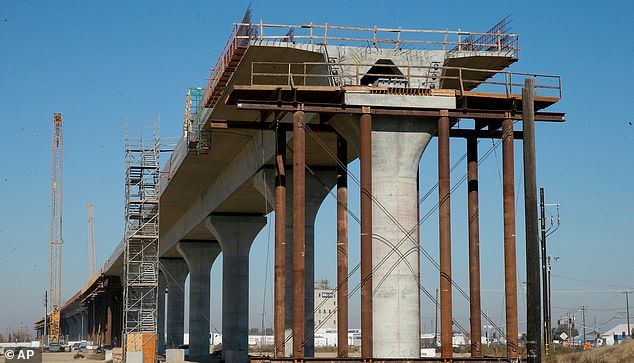
California Governor Gavin Newsom’s high-speed rail project has become a symbol of controversy and financial mismanagement. Experts now estimate that the project, which was initially supposed to cost $33 billion and be completed by 2020, will balloon to over $126 billion. Despite this staggering increase, no single piece of track has been laid yet.
The project was approved in 2008 as a groundbreaking initiative for the United States. However, it has faced numerous delays and criticisms from both political parties. Anthony Williams, a member of the state’s high-speed rail board, revealed in a 60 Minutes interview that the final cost could reach $126 billion. This amount is more than what Amtrak has received in its entire history, with a remaining shortfall of roughly $90 billion.
Williams suggested that the state might find ways to cover the shortfall by cutting costs and attracting private investment. However, Republicans remain skeptical, especially after former President Donald Trump canceled $4 billion in federal grants for the project, calling it “the worst cost overrun I’ve ever seen.”
Congressman Vince Fong criticized the entire project, calling it a “bait and switch” that needs to be abandoned. He described the California High-Speed Rail as a quintessential example of government waste and mismanagement.
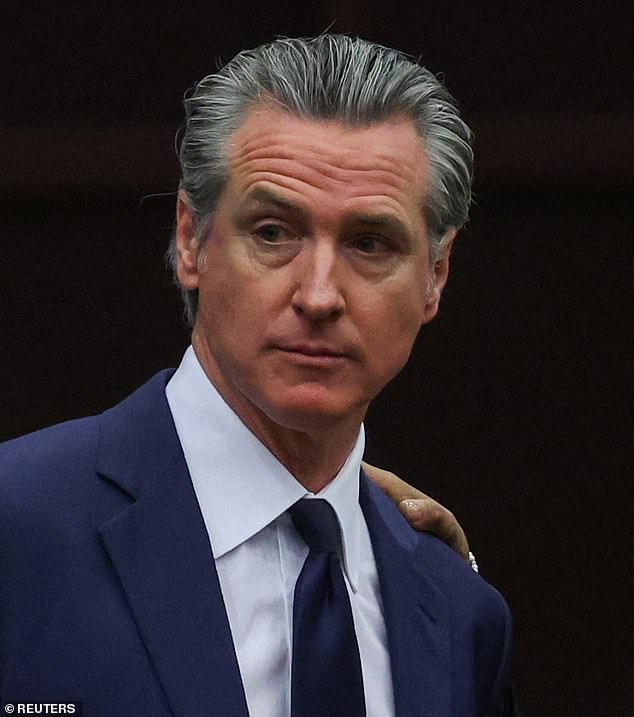
Toks Omishakin, California’s secretary of transportation, acknowledged some of the criticism. He admitted that neither the voters nor the public sector fully understood the challenges involved in delivering the project.
Sean Duffy, Trump’s Secretary of Transportation, condemned the project as a blight on the White House’s plans for a “Golden Age of Transportation.” He stated that the administration would not support “boondoggle projects like Newsom’s Train to Nowhere that wasted billions in taxpayer dollars yet delivered nothing to the American people.”
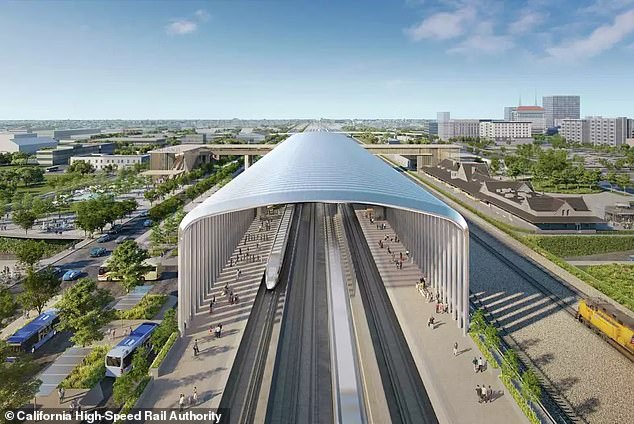
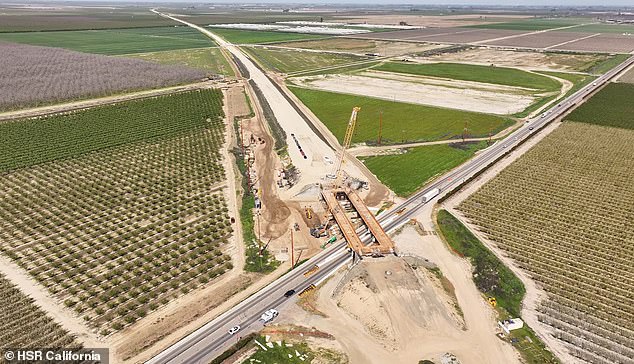
Despite the criticism, the California High-Speed Rail Authority defended the project, claiming that the media’s framing of the issue ignores the facts on the ground. The authority highlighted the potential benefits of the project, including 16,000 good-paying construction jobs and $25 billion in economic impact. They also promised that the first installation would take place in the Central Valley later in 2026.
“The high-speed rail anywhere in the world requires sustained investment and time,” said a spokesperson. “Even so, California is now entering a new phase focused on accelerating delivery, expanding into population centers, and unlocking private investment.”
The state has allocated another $20 billion through 2045 to continue building the project. The authority emphasized that the work is underway and will not stop despite opposition from the federal government.
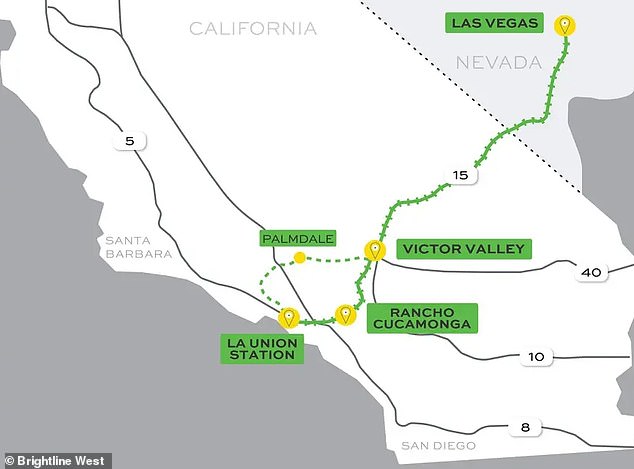
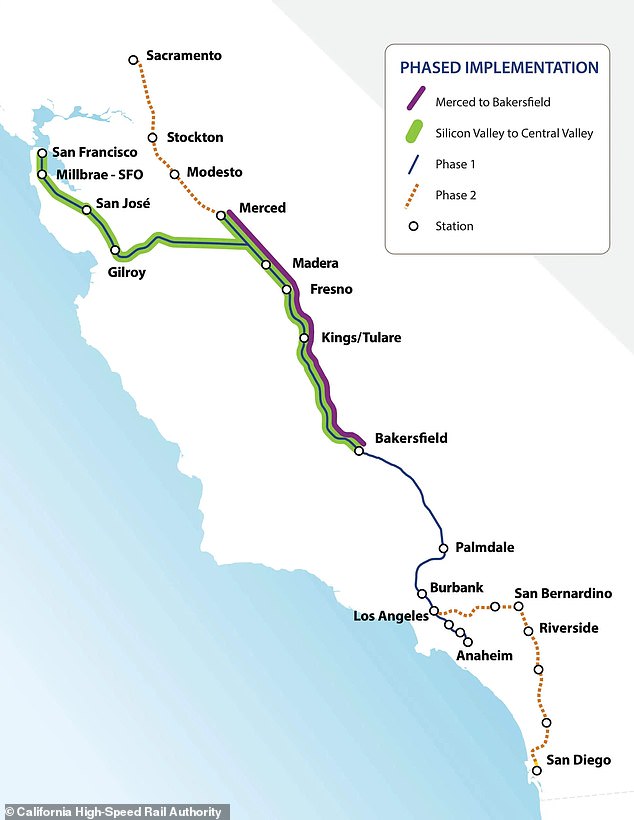
The high-speed rail was originally intended to be the first of its kind in the U.S. However, the project has faced massive delays and cost overruns. In 2025, Trump ridiculed the project and canceled several billion in government grants. He claimed that the project had cost taxpayers hundreds of billions of dollars without delivering anything in return.
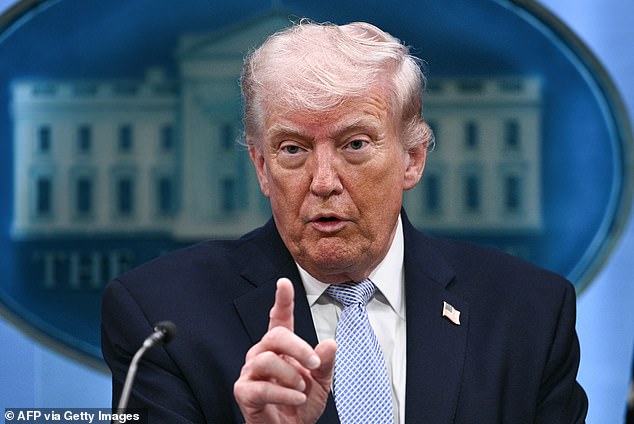
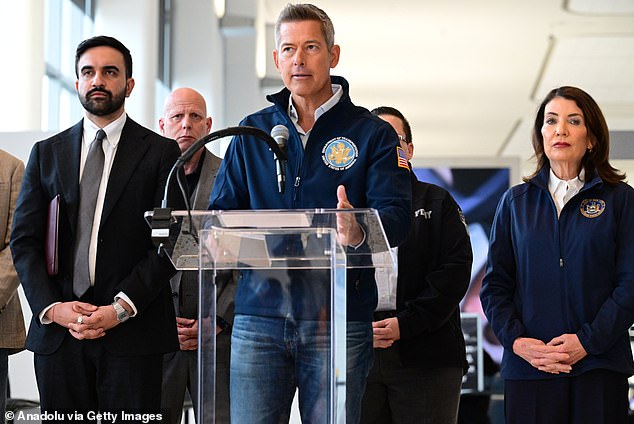
The Transportation Department announced it was rescinding $4 billion in funding for the mega-project, noting that the projected total cost of $135 billion could buy every San Francisco and Los Angeles resident nearly 200 roundtrip flights between the cities.
California High Speed Rail Authority CEO Ian Choudri stated that the state would fight the administration’s move in court. He emphasized that the authority has met every obligation, as confirmed by repeated federal reviews.
Passenger service is expected to begin between 2030 and 2033. Despite the ongoing controversies, the project remains a significant focus for California’s transportation plans.