Legal Battle Over Defamation: Singapore Ministers Sue Bloomberg
Singapore’s cabinet ministers K. Shanmugam and Tan See Leng have initiated a defamation lawsuit against the financial news outlet Bloomberg, citing an article that allegedly defamed them by mentioning their personal property deals. The case, which began on Tuesday, has already seen heated exchanges in court, with both sides presenting their arguments.
According to the statements of claim filed in the High Court, Shanmugam, who serves as the coordinating minister for national security, and Tan, the manpower minister, argue that parts of the article titled “Singapore mansion deals are increasingly shrouded in secrecy” were false, baseless, and intended to disparage them. They claim the article implied that they engaged in non-transparent transactions and possibly even money laundering.
Bloomberg and the reporter who wrote the article, Low De Wei, have denied these allegations through their legal representatives. The trial is set to continue until April 16.
The article, published in December 2024, discussed non-caveated purchases of good-class bungalows in Singapore. A caveat is a legal document submitted to the Singapore Land Authority to register interest in a property. It reported that Shanmugam used a trust structure to sell a bungalow in Queen Astrid Park and mentioned Tan’s non-caveated purchase of a good-class bungalow in Brizay Park.
In January of last year, the ministers filed separate defamation lawsuits against Bloomberg and Low, arguing that the article suggested they took advantage of the lack of checks and balances or disclosure requirements in property transactions. They also claimed the article implied they sought to hide the deals from scrutiny and hinted at money laundering.
Bloomberg and Low have denied the defamatory nature of the article, stating that it focused on broader market trends, such as the privacy benefits of non-caveated transactions and the use of trust structures by buyers. They argued that it was not defamatory to state that a person used legally permitted mechanisms to maintain privacy.
In the case of Shanmugam, the defense emphasized that he was a seller, while the article focused on the conduct and motivations of purchasers.
Shanmugam, a senior counsel himself, was the first witness called to the stand on Tuesday. During his cross-examination by Sreenivasan, the exchange grew heated, with both men interrupting each other. At one point, Shanmugam stated, “I’m not here to be given ad hominem remarks.”
Singh, representing the ministers, objected to several questions posed by Sreenivasan that sought to delve into the private sale of Shanmugam’s good-class bungalow in 2023. He argued that the defense lawyer was asking irrelevant questions and using the opportunity to divulge more information about the sale.
Sreenivasan questioned whether transactions involving good-class bungalows were newsworthy, given the attention the issue had received in parliament and the media. However, Shanmugam maintained that there was a distinction between matters of public interest, which responsible news outlets report on, and matters that the public is interested in. He argued that the sale of his property fell into the latter category.
Shanmugam also claimed that emails extracted during the discovery process showed that Bloomberg had intended to publish about his private sale and needed to find an excuse to “cross that divide” by wrapping the transaction around a wider issue. He described the email exchanges as “venomous and full of nastiness.”
When Bloomberg reached out to him to write an article on sellers using trusts in good-class bungalow transactions, Shanmugam said he was skeptical of its intentions and did not comment. He stated, “I was completely right to be skeptical…They already decided to write about me and [it was] a trap I didn’t fall for.”
Correction Order and Legal Consequences
In December 2024, Bloomberg was issued a correction direction under Singapore’s fake news law. The company ran a correction notice on the article and social media posts but added that it disagreed with the order and stood by its reporting.
Shanmugam, who is also the Home Affairs Minister, posted on social media that the ministers would issue letters of demand regarding the article. Correction orders were also issued to other media outlets that shared Bloomberg’s article. All removed their posts except alternative news site The Online Citizen, which published a story based on the Bloomberg piece.
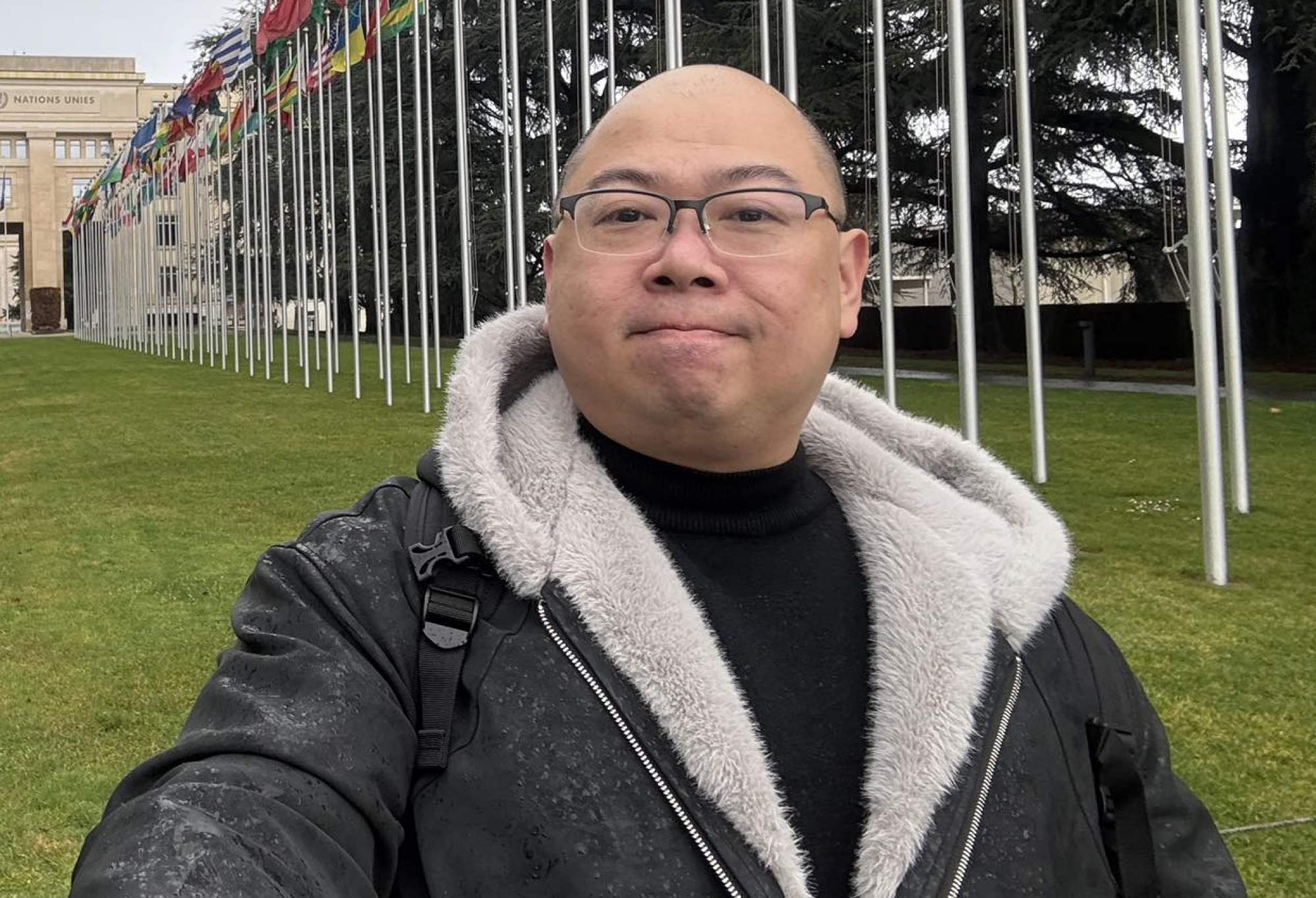
Its chief editor, Terry Xu, was ordered to pay S$210,000 each to the ministers last week for defamation after he failed to appear in court.
Bloomberg has also faced legal challenges from Malaysian officials. In February, Malaysian Anti-Corruption Commission Chief Commissioner Azam Baki filed a lawsuit against the organization seeking 100 million ringgit (US$25 million) in damages over an article titled “Malaysian Anti-Graft Chief Returns to Stocks After Outcry.” He claimed the article contained defamatory statements, including an allegation that he owned 17.7 million shares in Velocity Capital Partner based on corporate filings with the Companies Commission of Malaysia. The article also reportedly stated, without evidence, that he had not publicly declared his assets.
Historical Context of Legal Actions Against International News Outlets
This is not the first time Singapore ministers have taken legal action against international news outlets. In 2010, The New York Times Company, which owned the International Herald Tribune, settled and paid S$160,000 to then-senior ministers Lee Kuan Yew, Lee Hsien Loong, and Goh Chok Tong. It had published an article listing several Asian political families under the heading “predatory dynasties,” which the leaders argued implied nepotism in the government.
In 2007, the Financial Times issued a public apology and agreed to pay monetary damages and legal costs to Singaporean leaders, including the Lees and Lee Hsien Loong’s wife Ho Ching, CEO of Temasek Holdings, for an article that included statements alleging nepotistic motives were involved in the appointments of Lee Hsien Loong and his wife.
In 2002, Bloomberg News apologized and paid S$595,000 in damages for an article that suggested nepotism in the appointment of Ho as executive director of Temasek Holdings.