President Lee Jae Myung’s Nomination of Shin Hyun-song as Bank of Korea Governor
On March 22 of last year, President Lee Jae Myung nominated Shin Hyun-song, the Head of the Monetary and Economic Department at the Bank for International Settlements (BIS), as the new candidate for Bank of Korea Governor. The four-year term is expected to bring a focus on balancing price stability with national economic growth, especially in light of global uncertainties caused by the Middle East crisis and potential inflation. Cheong Wa Dae highlighted Shin’s “depth of academic expertise and practical insight,” emphasizing his status as a world-renowned authority in international finance and macroeconomics.
However, Shin has faced criticism for his relaxed remarks on the won-dollar exchange rate, which has been fluctuating significantly. There are also concerns about potential conflicts of interest, as a significant portion of his assets are overseas investments that could be affected by exchange rate fluctuations. This raises questions about his suitability as a policymaker responsible for interest rates that influence exchange rates.
Experts argue that a more pressing issue is Shin’s lack of sufficient practical experience in monetary policy, particularly in managing crises amid the ongoing Middle East war, which has driven high exchange rates and inflation. Some fear that President Lee’s choice may prove to be a misstep. Let’s examine Shin’s career.
Research Career Abundant, Policy Experience Lacking
Shin Hyun-song was born in Daegu in 1959 but completed his high school and university education in the UK. He majored in politics, philosophy, and economics at Oxford University, earning a master’s and PhD in economics. He later served as a professor at Oxford and the London School of Economics, followed by a professorship at Princeton University in the U.S. He built an outstanding academic career.
Shin worked as a financial advisor at the Federal Reserve Bank of New York and a resident scholar at the International Monetary Fund (IMF). During the Lee Myung-bak administration in 2010, he served as an international economic advisor to Cheong Wa Dae. While involved in monetary policy, he was not in a decision-making role but acted as an advisor.
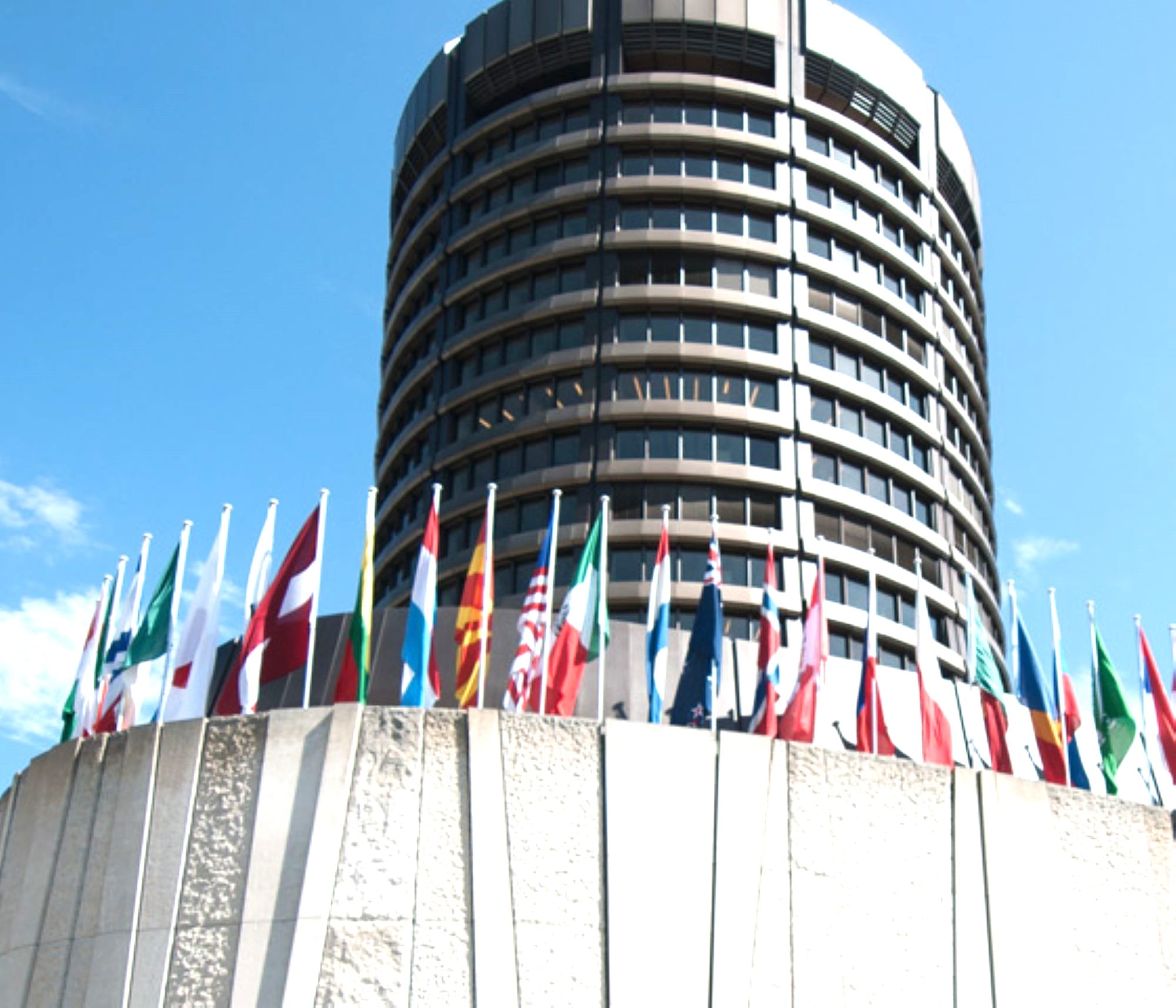
In 2014, Shin was appointed Head of the Economic Advisory and Research Department at the BIS, often called the “central bank of central banks.” However, the BIS is not a government agency responsible for formulating, executing, or being held accountable for a country’s monetary policy. Like the UN and IMF, it remains one step removed from the front lines.
Experts argue that a central bank governor must have extensive hands-on experience in ① central banks responsible for monetary policy, ② finance ministries handling exchange rate policies, ③ Cheong Wa Dae overseeing the broader economy, and ④ financial institutions directly affected by the Bank of Korea’s policies. This ensures familiarity with financial market operations and central bank management. In this regard, Shin’s lack of practical monetary policy experience necessary to lead the Bank of Korea has drawn criticism. Let’s compare with foreign cases.
Comparative Case ① Paul Volcker, Former Federal Reserve Chair
Paul Volcker (1927–2019), widely regarded as one of the most outstanding central bank leaders in history, earned a bachelor’s from Princeton and a master’s from Harvard. While at Harvard, he began his connection with monetary policy as a researcher at the New York Fed.
Volcker started his career in 1952 as an economist at the Federal Reserve Bank of New York. He later moved to Chase Manhattan Bank as a financial analyst and then to the U.S. Treasury as Director of the Office of Financial Analysis. In 1963, he served as Undersecretary of the Treasury and returned to Chase Manhattan as Vice Chairman, gaining market experience.
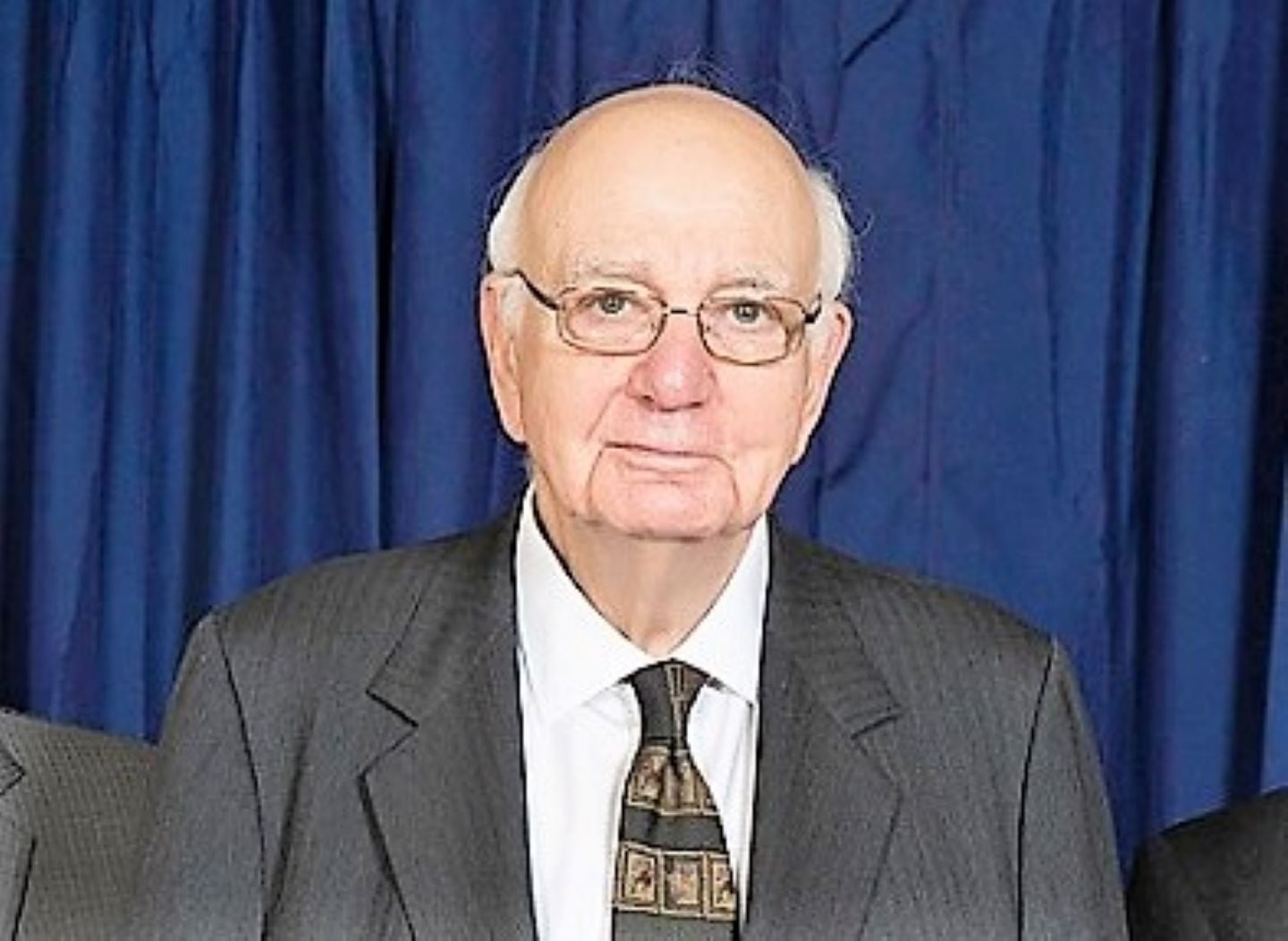
President Richard Nixon appointed Volcker as Undersecretary for International Affairs at the Treasury in 1969. Over five years, he played a key role in the historic suspension of the dollar’s convertibility to gold in 1971, a pivotal policy experience that led to the collapse of the Bretton Woods system established after World War II. Volcker recalled it as “the most significant single event in my career.” As Undersecretary, he executed financial policies and mediated disagreements.
After leaving the Treasury, Volcker became President of the Federal Reserve Bank of New York in 1975 and was appointed Federal Reserve Chair in August 1979. From his first job at the New York Fed, he accumulated 27 years of rich practical experience in the Fed, Treasury, and financial markets.
Volcker used ultra-high-interest-rate policies to combat chronic inflation in the 1970s, which followed the Vietnam War-era inflation. His extensive experience and resolve, combined with enduring two recessions and political and farmer backlash, stabilized prices after a prolonged struggle.
Comparative Case ② Jerome Powell, Current Federal Reserve Chair
Jerome Powell (1953– ), current Federal Reserve Chair, graduated from Princeton, attended Georgetown Law School, and worked as a lawyer for five years. He later entered investment banking and private equity. As a partner at Carlyle Group, a major private equity firm, he gained hands-on financial market experience.
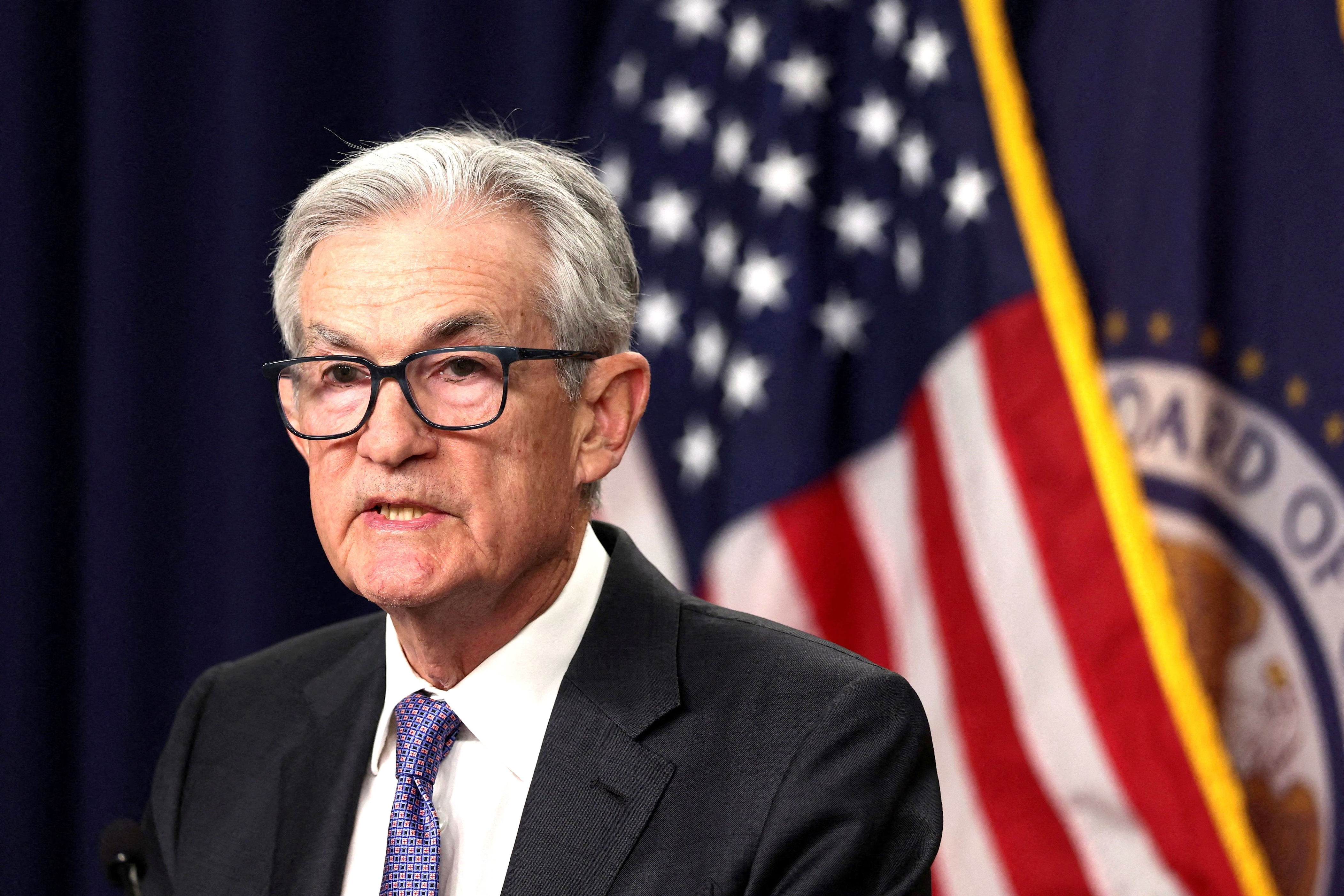
Powell began his public service career at the U.S. Treasury under President George H.W. Bush in 1990, holding various positions. President Barack Obama appointed him to the Federal Reserve Board in 2012, and six years later, President Donald Trump nominated him as Fed Chair. Before becoming Chair, Powell had 18 years of policy implementation experience, including 12 years at the Treasury and six as a Fed Board member.
Comparative Case ③ Raghuram Rajan, Former Reserve Bank of India Governor
A figure with a career similar to Shin Hyun-song is Raghuram Rajan (1963– ), former Governor of the Reserve Bank of India. Born in India, Rajan studied electrical engineering for his bachelor’s, management for his master’s, and earned a PhD from MIT. He served as Chief Economist at the IMF and as a professor at the University of Chicago Booth School of Business.
In 2007, Rajan chaired the Indian government’s Financial Sector Legislative Reforms Commission. This led Prime Minister Manmohan Singh to appoint him as Reserve Bank of India Governor for a three-year term in September 2013. India was then suffering from severe inflation, with consumer price inflation exceeding 10%.
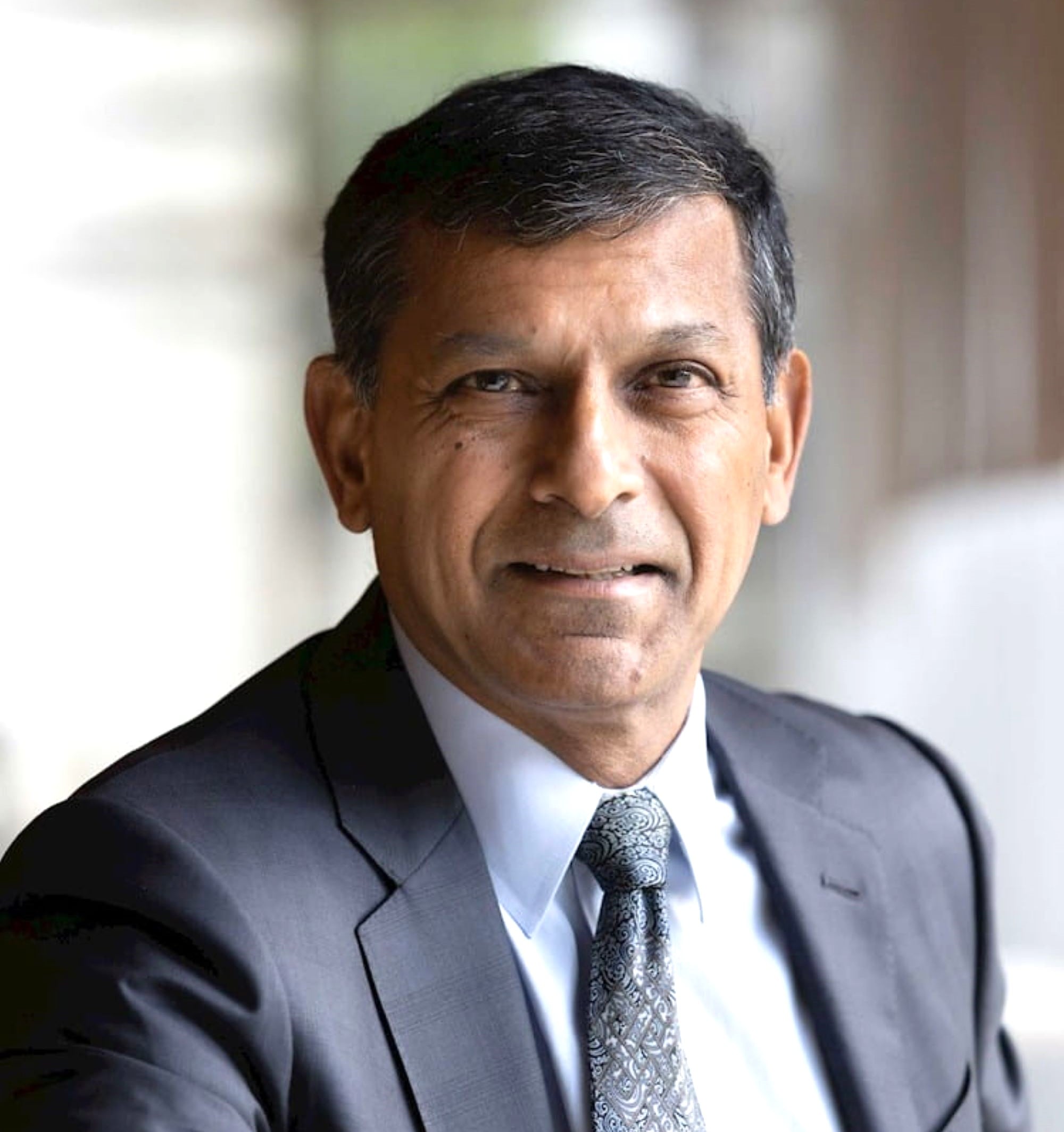
During his tenure, Rajan prioritized price stability as the central bank’s primary goal. The results were positive. Consumer price inflation, which was 9.8% in September 2013 when he took office, fell to 3.8% by July 2015—the lowest level since the 1990s. Producer price inflation dropped from 6.1% to a historic low of -4.1%. Rajan achieved price stability despite backlash from small businesses, merchants, and political criticism.
While Rajan and Shin share similar career paths, their circumstances differ. When Rajan took office, his predecessor had already raised the benchmark interest rate to 10.25% to curb high inflation. Rajan then lowered rates but maintained them at least 2 percentage points above consumer price inflation until prices stabilized. The benchmark rate at his departure was 7.0%.
In contrast, Shin is set to take office amid rising consumer prices due to the Middle East crisis, with his predecessor having lowered interest rates to match inflation levels. He faces pressure to raise rates significantly if oil prices and exchange rates remain high. Following Rajan’s example, with Korea’s current consumer price inflation at 2.3%, Shin would need to raise the benchmark rate from 2.5% to over 4%.
President Lee’s Mid-Crisis Leadership Change
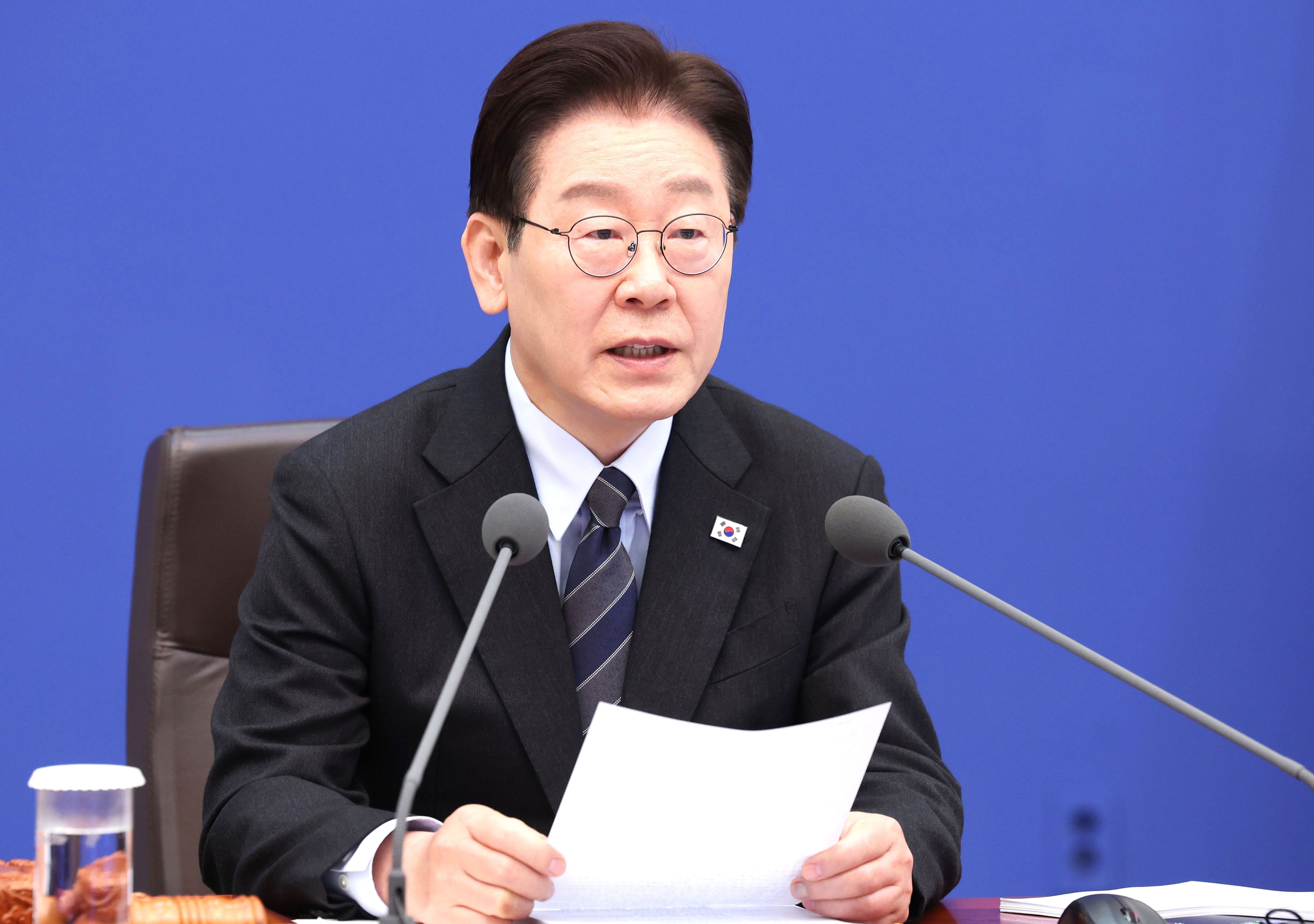
President Lee Jae Myung replaced the head of price stability amid the Middle East crisis, when inflation became the top issue. Instead of retaining an experienced predecessor who had accumulated trial-and-error experience, he nominated a new governor who must build practical monetary policy experience from scratch.
Historically, central bank governors who had long prior experience at the Bank of Korea, finance ministry, or Cheong Wa Dae quickly took control upon taking office. They accurately assessed economic trends and decisively pushed or held back policies, including bold interest rate hikes or cuts.
In contrast, governors without practical monetary policy experience often wavered after reviewing the Bank of Korea’s high-quality internal reports. It typically took them about two years to familiarize themselves with organizational management and monetary policy before implementing their philosophy.
Experts assess that Shin Hyun-song, given his past career and limited residence in Korea, is likely to fall into the latter category. After former President Yoon Suk-yeol failed to manage prices and was impeached, President Lee Jae Myung, who inherited the baton, has embarked on a gamble at a time when price management is critical. If this gamble fails, the public could suffer from prolonged high inflation and a strong won.
월 5900원 멤버십, 신문 독자에게는 2900원, 조선멤버십
55000원 상당의 신문-잡지 8종 마음껏 보기, 조선멤버십
현금처럼 쓸 7000포인트 받아 알뜰한 쇼핑, 조선멤버십