
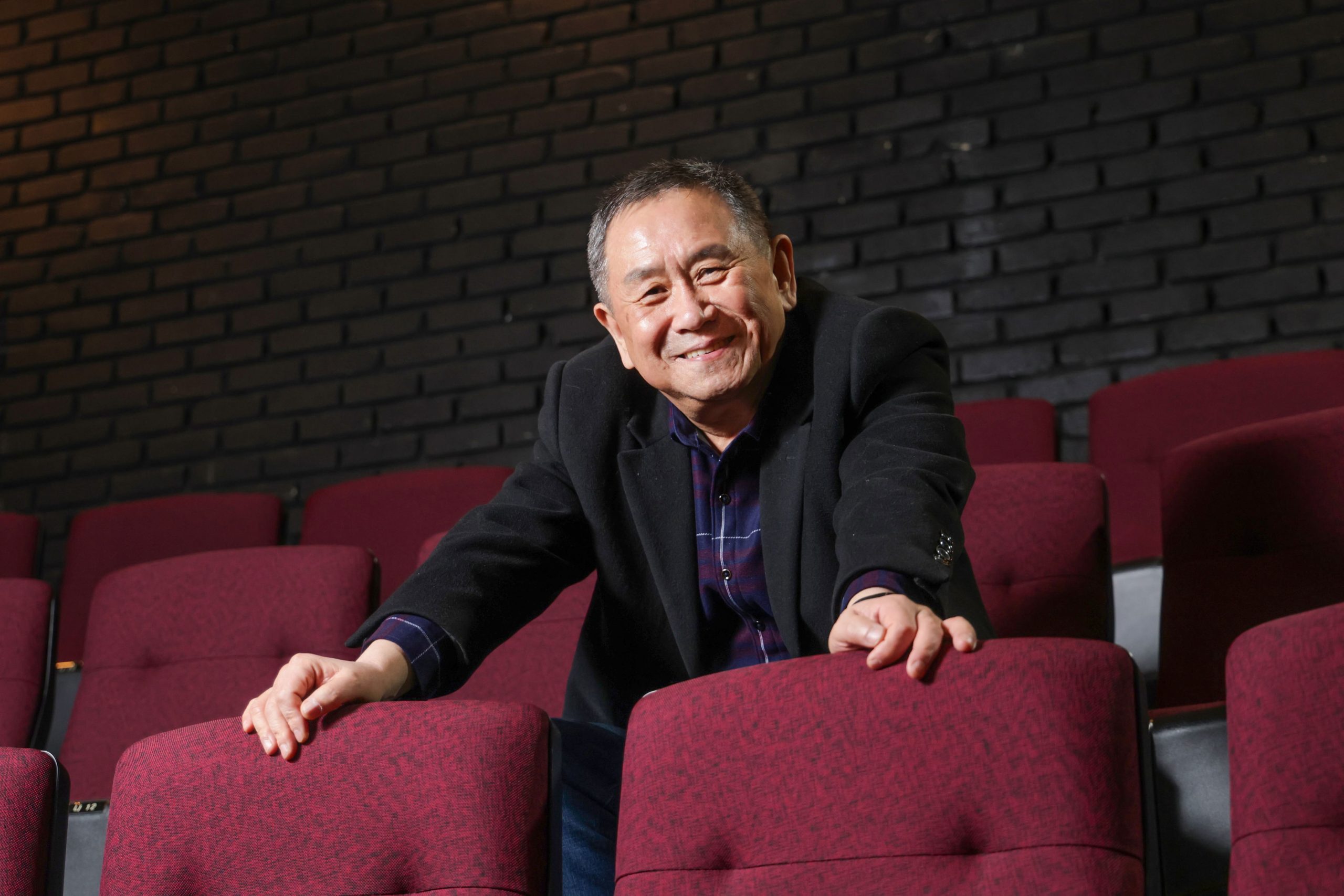
A Journey Through the Heart of Korean Theater
In 1973, a young man who had just graduated from Seorabol High School stood in front of the Myeongdong National Theater (now known as Myeongdong Art Theater) in Seoul. He was contemplating the future, having just witnessed Sanullim Theater’s production of Waiting for Godot, which had left a deep impression on the Korean theater scene. Sim Jae-chan, now 74 and the 36th Lee Hae-rang Theatre Award winner, recently met at Sanullim’s small theater in Mapo-gu, Seoul, and recalled, “The shock, the emotion—it was indescribable.” The young man with a crew cut could not have imagined that he would one day perform with Sanullim and direct the 40th-anniversary production of Godot.
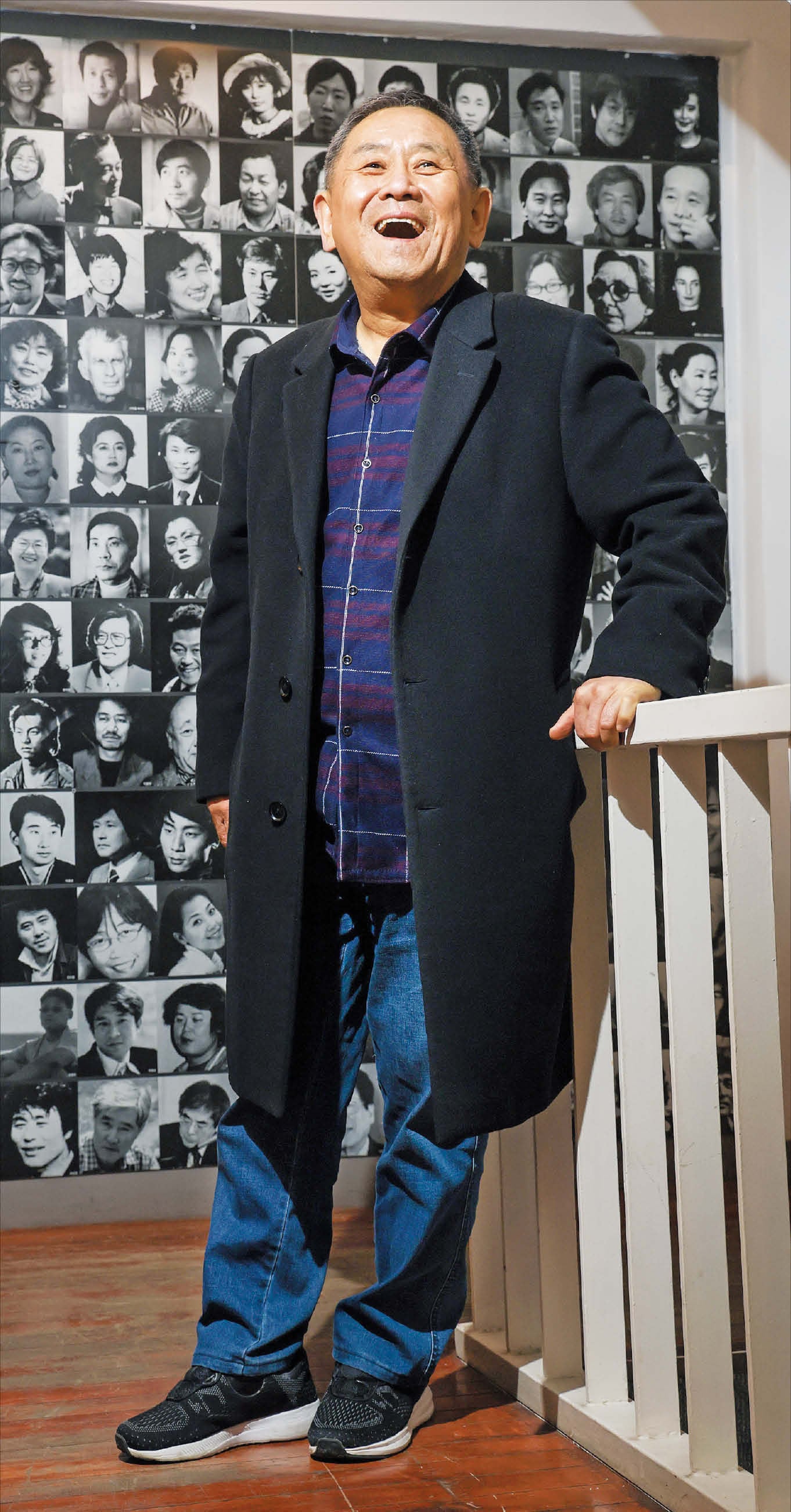
A Youth Entirely Devoted to Theater
Sim’s passion for theater began in middle school when he joined the theater group Gwangjang’s People of Hak Village. As the eldest of four brothers, his father did not understand his desire to pursue theater. Due to family opposition, he could not major in theater, so he joined the Seorabol Art College drama club through a friend. Although everyone knew he was not a student, it made no difference. He spent days idling until afternoon rehearsals began, then stayed up all night building sets and recording music and sound effects on reel tapes. A year later, the club’s leader, his senior, entrusted him with directing. After Seorabol Art College merged with Chung-Ang University, he naturally joined the university’s drama club and directed Death of a Salesman at the university theater at age 20. “I never acted. I was always a director from the start.”
Korean Theater Greats Called Him One After Another
After discharge, he joined the theater group ‘Gohyang’ and began his career as a professional theater artist. At 25, he made his directorial debut with Prisoner of 2nd Street (1978) at the Seoul Jeong-dong Theater Hall (now National Jeong-dong Theater Cecil). Park Yong-gi, head of Gohyang, praised his diligence and passion, calling him “a real ox.” Sim laughed, saying, “Back then, that was high praise.”
Korean theater luminaries successively called for him. He joined the theater group ‘Sanha’ at the invitation of teacher Cha Beom-seok, then moved to ‘Minyoe,’ where Heo Gyu was the representative. “I was deeply conflicted, wondering if my theater was outdated,” he said. “At the time, the center of theater was the small theaters in Sinchon, where young artists staged absurd or experimental plays. I thought, ‘Am I the last one clinging to Korean realism?’ Just then, director Son Jin-pyeok from Minyoe called me.”
Minyoe was experimenting with modernized traditional Korean theater. Sim, who had worked on proscenium stages with only the audience-facing side open, experienced Minyoe’s open-stage performances where the boundary between audience and stage dissolved. “It felt like a weight lifted,” he said. “For three and a half years, I played the drum as a drummer. I began to grasp how Korean realism harmonizes han (resentment) and heung (joy).”
Fate Led Him to Lim Young-woong’s Sanullim
In 1987, he joined Sanullim Theater, led by director Lim Young-woong. He was always by Lim’s side during every production. In 1989, he first visited Avignon when Sanullim participated in the Avignon Festival, one of the world’s largest performing arts festivals, with Godot. “From 11 a.m. to 1 a.m., I watched four plays a day until I bled from my nose. I wondered how they planned such festivals. Why couldn’t Korea do this?”
In 1990, he founded his own theater group. His debut work, For You Adrift, received critical acclaim and earned him the Baeksang Arts Award for Best New Director. He won the Younghee Theatre Award in 1993 for You in the Mirror and the Hiseo Theatre Award in 1996 for Yeosiamun. Yet theater remained financially unprofitable.
In 1995, he went abroad on a Korea Arts Council-supported residency. He visited small festival offices in Poland, Czechia, the UK, and the U.S., opening a new path in festival planning and arts administration. In 2000, as vice president of the Korea Theatre Association, he organized the Seoul Theatre Festival, which became legendary for its scale and lineup, opening with Robert Wilson’s The Lady from the Sea.
A Steadfast ‘Elder Brother’ of Theater Artists
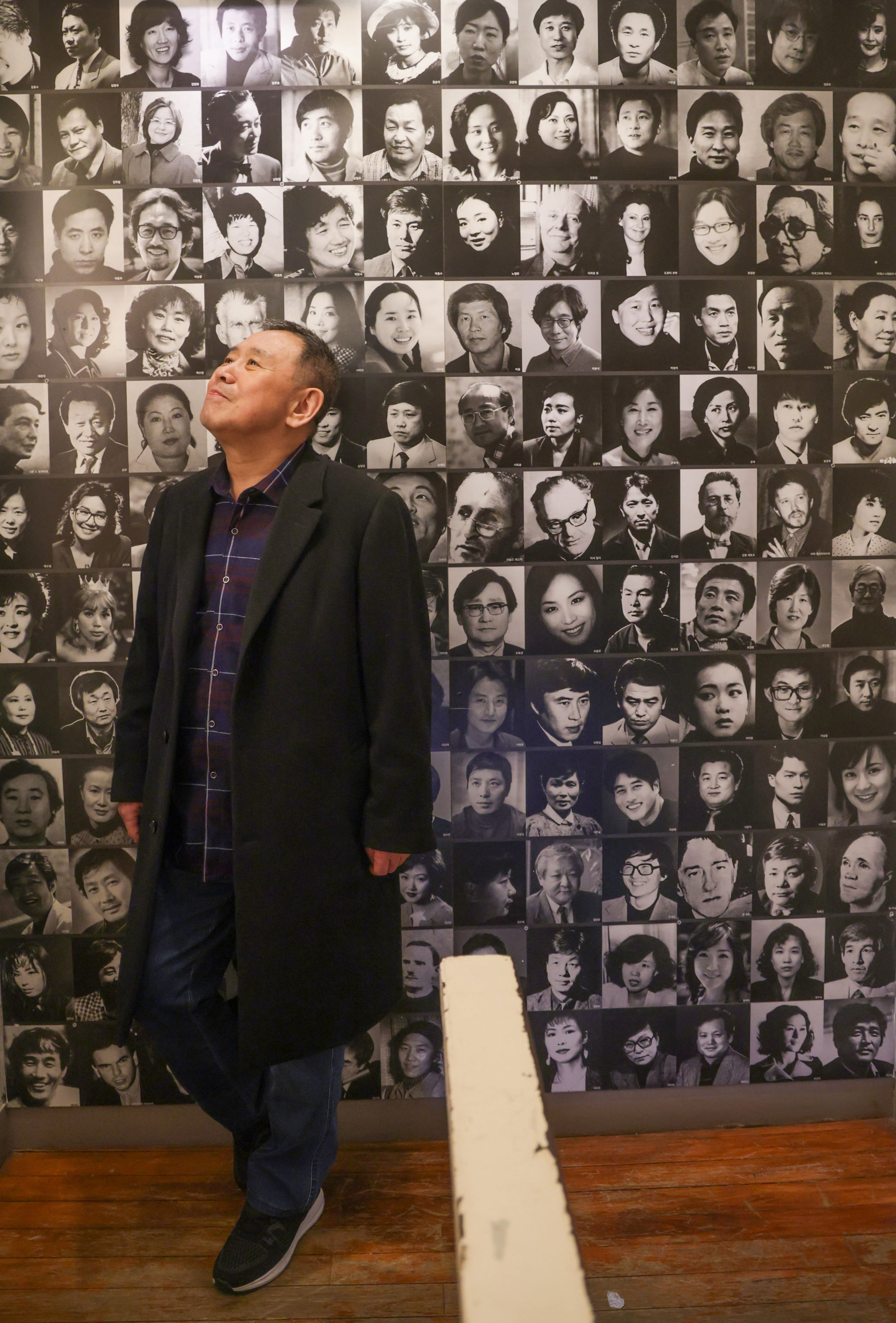
From 2005, while serving as head of the Arts Council Korea office and director of the National Theater Company of Korea, he never let go of the Korean Theatre Artists Welfare Foundation, the first private welfare foundation for theater artists. The foundation played a pivotal role in enacting the 2011 Artists Welfare Act and establishing the Korean Artists Welfare Foundation. Sim became the foundation’s first representative in 2013.
He was a skilled arts administrator who listened to the theater community’s voices and reflected them in policy. “I’ve heard people call me the ‘elder brother’ of the theater world for a long time, and I’ve always liked that term,” he said. “Terms like ‘mentor’ or ‘teacher’ feel distant. An elder brother can stand in for parents, care for younger siblings, yet never lord over them—always walking side by side.”
National Theater Company of Korea’s Manseon: A Model of Korean Realism
Sim directed the 40th-anniversary production of Sanullim’s Godot last year. “When asked how my Godot differs, my answer was always the same: ‘I faithfully followed Mr. Lim’s vision and polished it once more,’” he said.
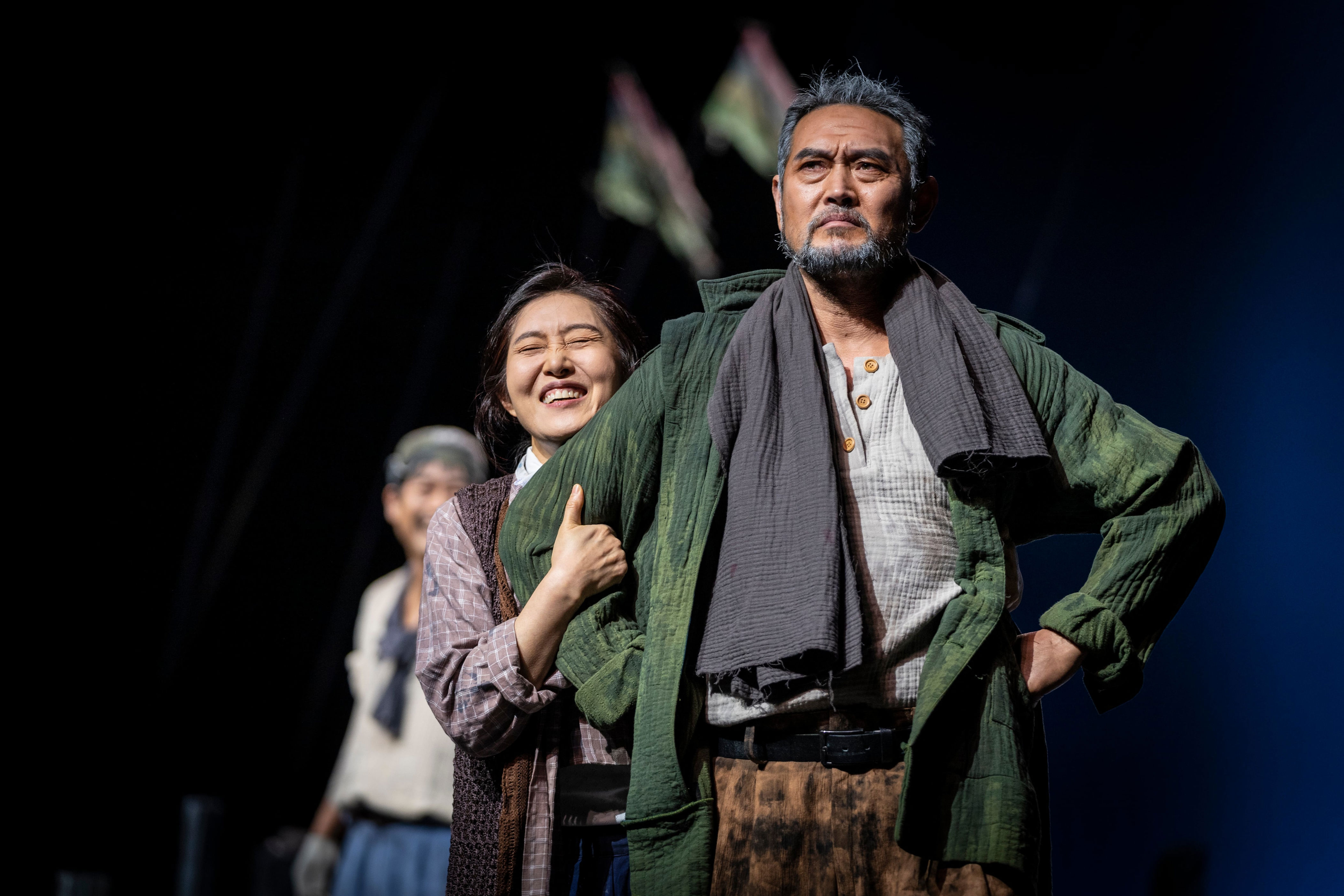
When the National Theater Company of Korea decided to stage Manseon (by Cheon Seung-se), a representative work of Korean realism, for its 70th anniversary, artistic director Lee Sung-yeol called Sim. “This play should be yours,” he said. Sim recalled, “The script was Lim Young-woong’s version. I thought, ‘This has come full circle.’ I was ashamed I once wanted to avoid this path.” Manseon was performed in 2021, 2023, and 2025. It was the blossoming of Korean realism, a path he had steadfastly walked his entire life.




Leave a Reply