Escalation in the Middle East: A New Wave of Attacks and Diplomatic Efforts
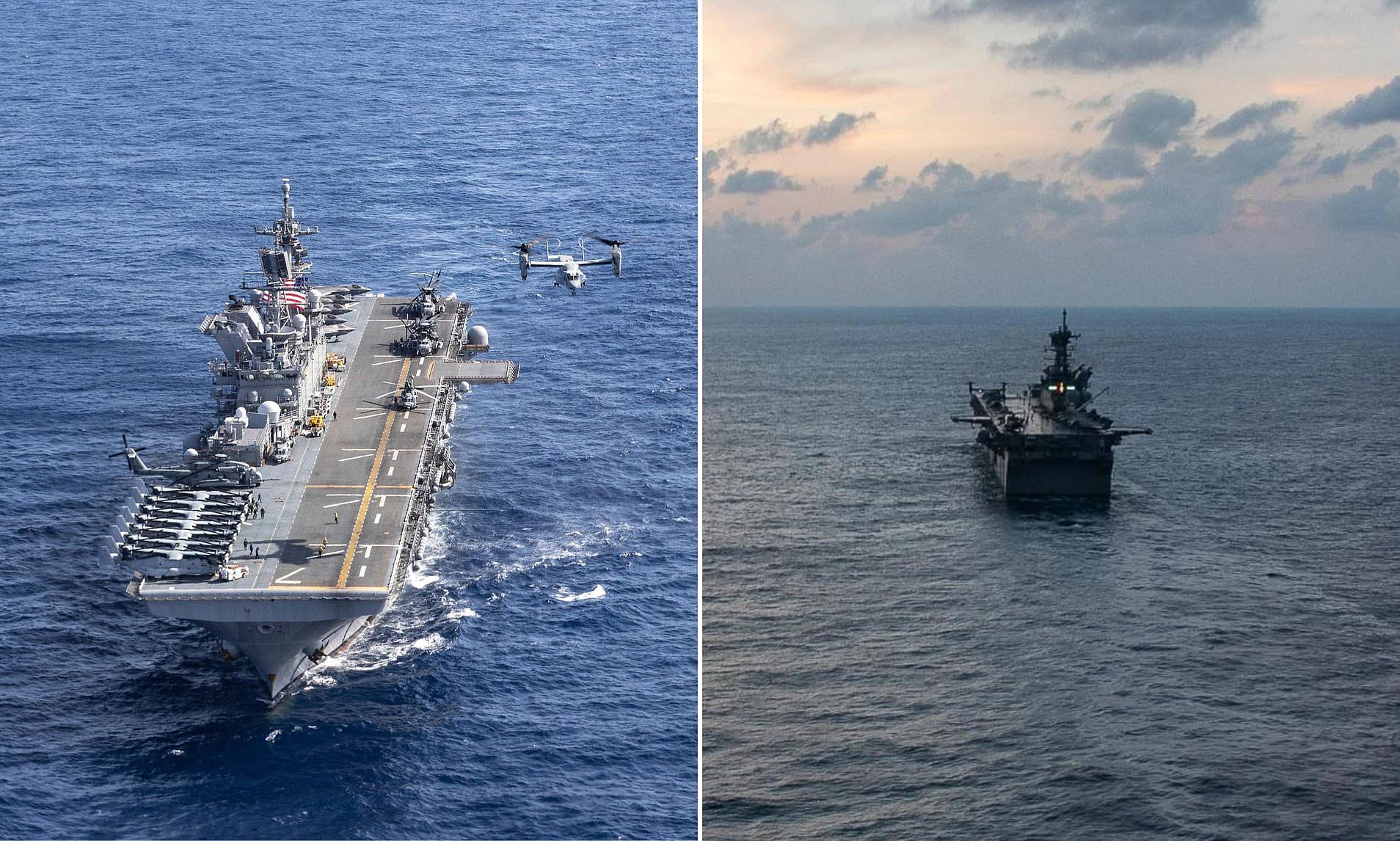
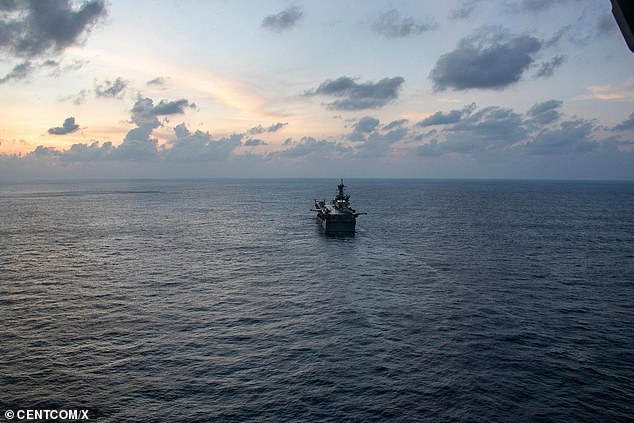
Iran has claimed to have targeted the US amphibious assault ship LHA-7, also known as the USS Tripoli, forcing it to retreat into the southern Indian Ocean. The Islamic Revolutionary Guard Corps (IRGC) stated that it also attacked a container ship linked to Israel with the identifier ‘SDN7’, though the location of the vessel was not disclosed.
The USS Tripoli entered the Middle East in late March, according to the US Central Command (CENTCOM). However, the US has yet to comment on whether the warship was indeed attacked. The 844ft-long vessel is equipped with four missile launchers, two automated gun mounts, and seven machine guns. It carries 3,500 sailors and Marines, along with a complement of transport and fighter aircraft. As the flagship of the 31st Marine Expeditionary Unit, the USS Tripoli plays a significant role in US military operations in the region.
Little information is available about the Israeli vessel that was allegedly hit by the IRGC. 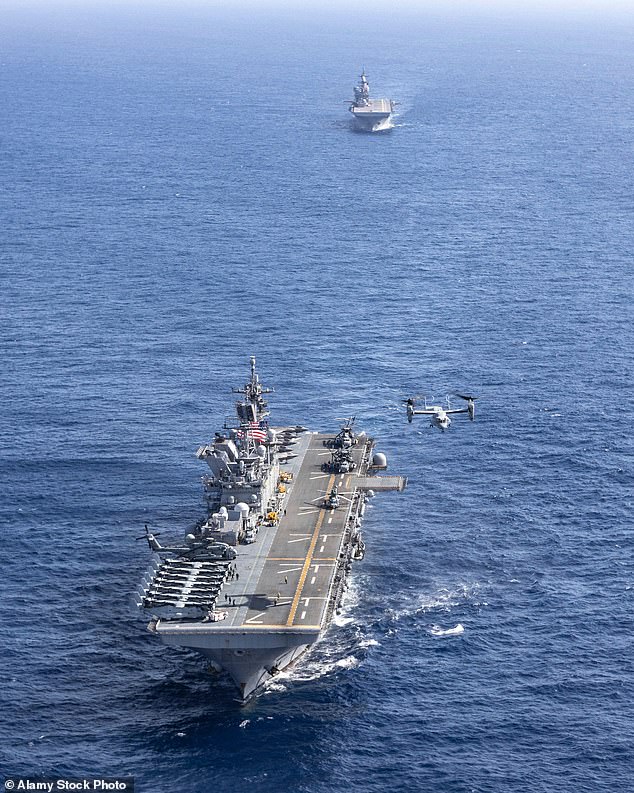
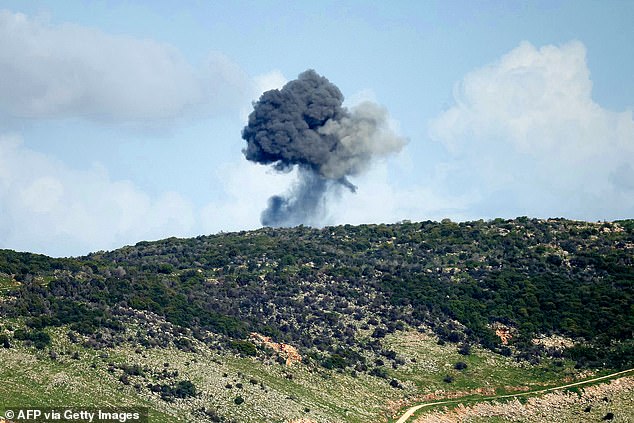
This escalation comes after Israel struck Iran’s largest petrochemical complex on Monday, defying threats from former US President Donald Trump to devastate civilian infrastructure if Iran does not reopen the Strait of Hormuz. A separate Israeli strike killed a senior Revolutionary Guards commander, while Iran launched drone and missile attacks against Israel, Kuwait, and the United Arab Emirates.
Iran warned that “much more devastating” attacks would follow if Trump followed through on his threat to target civilian infrastructure. Trump had previously demanded that Iran open the Strait of Hormuz by Tuesday at 8:00 pm (0000 GMT Wednesday), threatening to destroy Iranian bridges and power plants if Tehran did not comply.
Iran has effectively blocked the Strait of Hormuz, a critical energy chokepoint, causing oil and gas prices to rise and prompting countries around the world to take measures to mitigate the economic fallout. In a strongly worded social media post, Trump urged Iran to “open the F* Strait” or face severe consequences.
On Monday, Israel reported striking Iran’s largest petrochemical facility in Assaluyeh on the Gulf coast, where local media described multiple explosions. According to Israeli Defence Minister Israel Katz, the site accounts for approximately 50% of Iran’s petrochemical production, valued at “tens of billions of dollars.”
Ahead of these strikes, Iran’s Revolutionary Guards stated that Hormuz “will never return to its former status, especially for the US and Israel.” 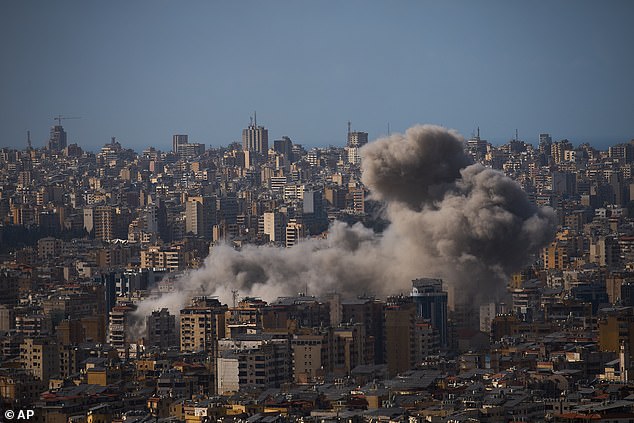 The Guards also announced on Telegram that their intelligence chief, Majid Khademi, had been killed in a US-Israeli strike. Israeli Prime Minister Benjamin Netanyahu responded by saying, “We will reach anyone who seeks to harm us,” following confirmation from Katz that Israel was responsible for the attack.
In addition, Israel’s defense ministry announced plans to increase the production of Arrow missile interceptors, part of the country’s multi-layered air defense system.
Potential Ceasefire Talks Amid Rising Tensions
As the violence escalates, reports suggest there may be efforts to halt the fighting. According to Axios, a deal mediated by Pakistan, Egypt, and Turkey for a 45-day ceasefire to allow for negotiations on a more permanent peace is under discussion. Egypt’s foreign minister, Badr Abdelatty, confirmed engaging in talks with regional governments, as well as US envoy Steve Witkoff and Iran’s foreign minister Abbas Araghchi.
“Views and proposals were exchanged on ways to deescalate the military situation in the region given the delicate juncture it is currently facing,” a statement from his ministry said. Despite this, Trump claimed Iran was “close” to making a deal, though Tehran has denied any negotiations with the US or Israel.
European Council chief Antonio Costa called for a “diplomatic solution” in an X post, stating that targeting civilian infrastructure, particularly energy facilities, is “illegal and unacceptable.”
Broader Regional Impact and Economic Fallout
The conflict, which began on February 28 with US-Israeli strikes on Iran that killed Supreme Leader Ayatollah Ali Khamenei, has spread across the Middle East and disrupted the global economy. A worldwide oil shortage has affected aviation, with Indonesia announcing an increase in a jet fuel surcharge, and low-cost carrier Air Asia X hiking ticket prices by up to 40%.
South Korea has sent ships to fetch oil from Saudi Arabia’s Red Sea port of Yanbu, avoiding the Strait of Hormuz altogether. Taiwan’s government also announced plans to take the Red Sea route for its oil supplies.
Trump is set to provide details in a press conference later Monday regarding the rescue of an airman whose fighter jet was downed by Iran. Meanwhile, Gulf nations allied with the US have also been drawn into the conflict, reporting fresh waves of strikes between Sunday and Monday. Kuwait reported six injuries from an attack on a residential area, while the UAE confirmed responding to a missile and drone attack, with one person injured in an industrial area of Abu Dhabi.
In Jordan, the government agreed to compensate residents for property damage caused by falling debris from drones and missiles. Iran continues to launch attacks on Israel, where military and medical officials recovered four bodies from a residential building in Haifa that was struck by a missile. In retaliation, Israel’s army completed a wave of strikes against targets in Tehran.
Iranian media reported multiple attacks on residential areas of Tehran, while the state broadcaster mentioned gas outages in parts of the capital following a strike on a university.
Lebanon’s Involvement and Ongoing Conflict
Lebanon has increasingly become involved in the conflict since the Iran-backed armed group Hezbollah targeted Israel on March 2. Israel has retaliated with strikes and invaded parts of southern Lebanon. Army Chief Lieutenant General Eyal Zamir visited troops in the region on Sunday, pledging to intensify strikes.