Shadowy Ownership: Thousands of UK Properties With Undeclared Owners Raise Alarms
A significant number of British properties, collectively valued at a staggering £190 billion, have owners whose identities remain hidden from public scrutiny. Experts are raising serious concerns that this widespread lack of transparency represents a substantial breach of new anti-money laundering regulations, potentially allowing illicit funds and sanctioned individuals to operate within the UK property market.
The Economic Crime Act, enacted in March 2022 following Russia’s invasion of Ukraine, mandated that foreign owners of UK real estate must disclose the ‘beneficial owner’ of any property they control by January 31, 2023. A beneficial owner is defined as any individual who owns or exercises control over an overseas company that holds property in Britain. This legislation was introduced amid growing pressure on ministers to tighten rules and prevent foreign criminals or those subject to sanctions from using London as a safe haven for their wealth.
Recent revelations highlighted the case of Ali Ansar, a 56-year-old Iranian businessman who has faced sanctions for allegedly funding the Islamic Revolutionary Guards Corps (IRGC). The IRGC has been at the forefront of violently suppressing protests within Iran and is a significant target of ongoing international action. Ansar’s ability to acquire a portfolio of luxury properties across Europe, including a London mansion, raised serious questions about the effectiveness of existing regulations. The intent behind the Economic Crime Act was to make it considerably more difficult to acquire property in the UK for purposes such as money laundering or sheltering ill-gotten gains by forcing overseas owners to reveal their identities.
However, research suggests that the law is not being universally adhered to. A deep dive by Tax Policy Associates into Land Registry records identified 97,978 properties registered to offshore companies in England and Wales. Their subsequent analysis, cross-referencing with Companies House filings as legally required, revealed a startling finding: the ultimate beneficial owner could not be identified for 43,401 of these properties. This equates to approximately 44 per cent of the properties examined, leaving their true owners in the shadows.


In these cases, the property owners either failed to register at all, registered the property but claimed no beneficial owner existed, or listed another offshore company or a trust as the owner. While it’s acknowledged that not every instance represents a deliberate breach of the law – some companies may legitimately lack a single beneficial owner – the sheer scale of the non-disclosure is concerning.
Dan Neidle, a former tax lawyer and the driving force behind Tax Policy Associates, believes a significant portion of these undeclared owners are intentionally obscuring their identities. He notes: “Some of this will be accidental, but the evidence suggests that a significant proportion is intentional. Some people are just not registering. Others are registering offshore companies as beneficial owners, rather than the individuals who really control the property. And over a fifth of all properties are held by trusts that fail to declare the true owner.”
Mr Neidle suggests that some of these properties could potentially be used for money laundering or to circumvent sanctions. Furthermore, he posits that other owners might be deliberately avoiding registration to evade capital gains tax upon selling their assets. “It’s very important we get to grips with this, from a tax evasion perspective as well as the more obvious sanctions-busting and money-laundering ones,” the tax expert emphasised.
Geographical Hotspots and High-Value Properties
The investigation also shed light on the geographical origins of these offshore entities holding UK property. Jersey, a self-governing, low-tax Crown Dependency, emerged as the most common jurisdiction for overseas structures. A total of 3,234 properties linked to the Channel Island were found to have no declared beneficial owner. Other notable locations include:
- British Virgin Islands: 1,165 properties
- Isle of Man: 753 properties
- Guernsey: 685 properties
When examining the nationality of the ultimate owners, Saudi Arabia presented the highest proportion of undeclared owners, with 92.9 per cent (234 out of 252 properties) failing to list their beneficial owner.
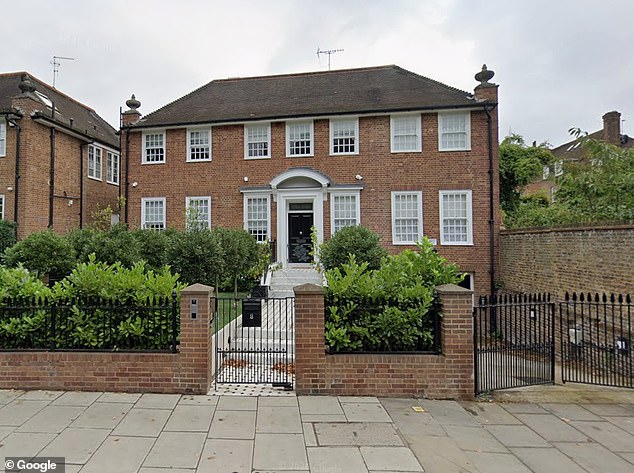
Unsurprisingly, London accounts for the lion’s share of properties with undeclared overseas beneficial owners. The capital represents £107 billion of the £188 billion worth of property in England and Wales where owners have not been properly disclosed. Many of these are residential properties held within trusts.
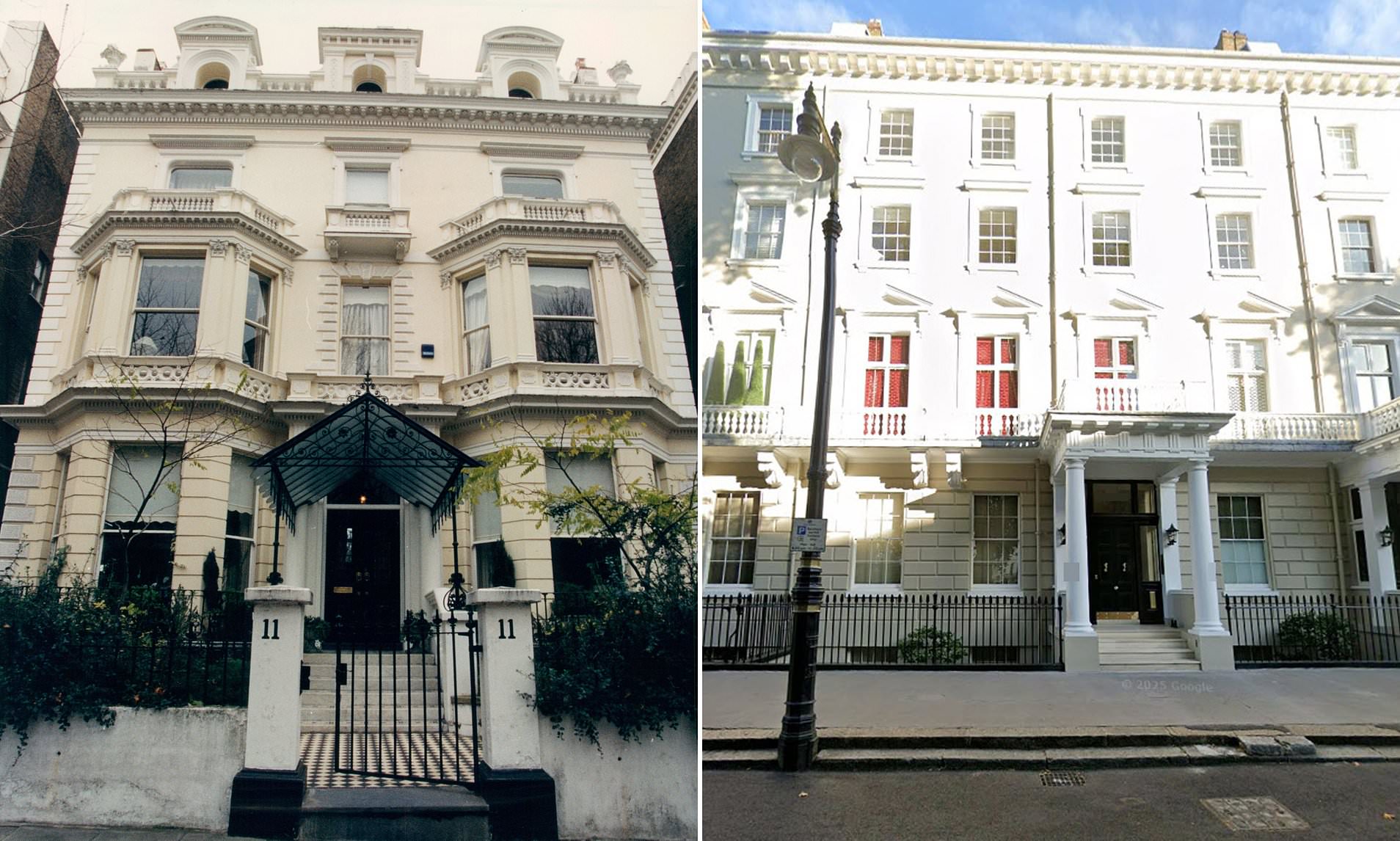
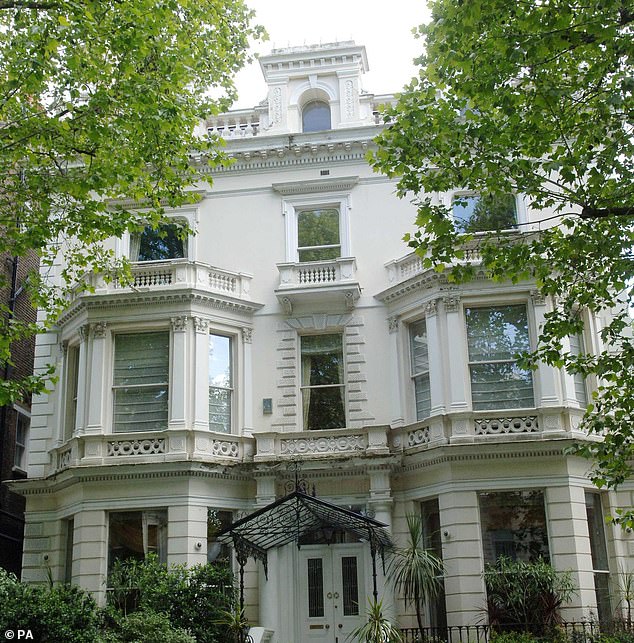
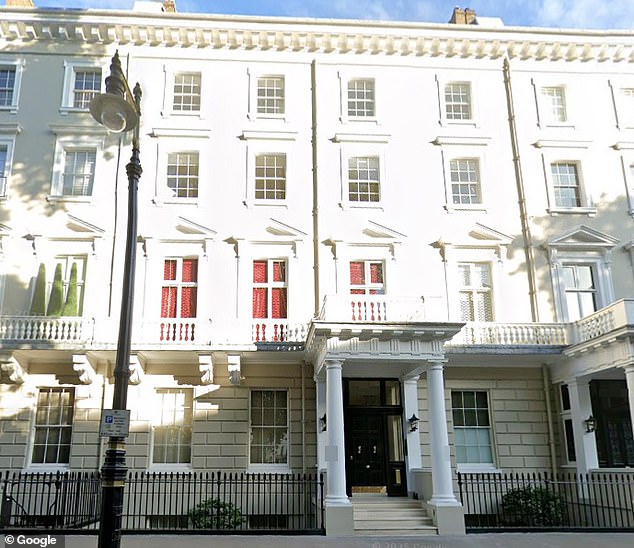
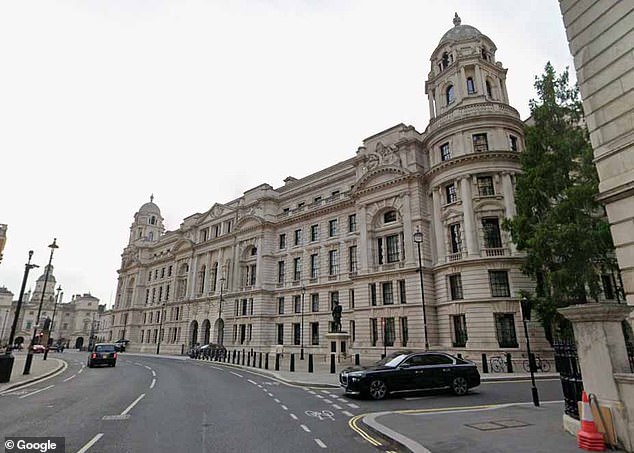
Among the most expensive properties with opaque ownership structures is a former home of Sir Richard Branson in Holland Park, acquired for £53 million in 2016 by a British Virgin Islands company. Close by, another property was purchased for £21 million in 2016 by a Bahamas-registered company, with the beneficiary listed as a trustee based in the Cayman Islands. In 2023, an apartment on Horse Guards Avenue was sold for £21 million to a Cypriot company, where the beneficiaries are identified as two individuals working for Cypriot firms, acting on behalf of an undisclosed principal.
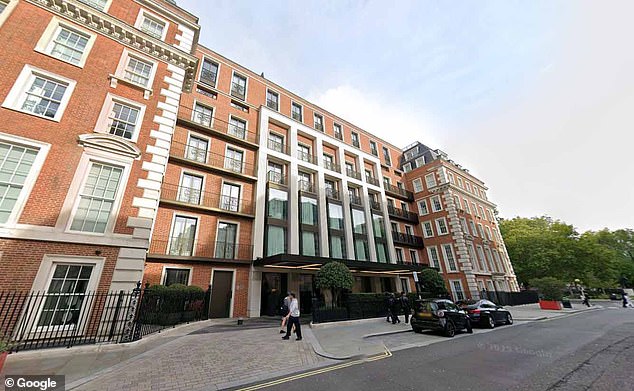
Further examples include:
* A Mayfair apartment bought for £20 million in 2021 by an Isle of Man company, with the beneficiary listed as an Isle of Man trustee company.
* A Belgravia property acquired for £16 million in 2017 by a British Virgin Islands company, with a Singapore-based corporate trustee named as the registered beneficiary.
It is important to note that the article does not suggest any wrongdoing in relation to these specific properties mentioned.
A government spokesperson commented on the findings, stating: “We will look at this report carefully as part of our commitment to fighting illegal financial activity through the Register of Overseas Entities. Companies House can issue warning notices and impose financial penalties on overseas entities that fail to register or comply with ongoing requirements, and these entities are prevented from selling, leasing or raising finance over their land until they comply.”