Renewed Scrutiny on Russian Whistleblower’s Death Amid Poisoning Parallels
British authorities are facing renewed pressure to re-examine the 2012 death of Russian whistleblower Alexander Perepilichny. The calls come in light of recent revelations about the suspected poisoning of Alexei Navalny, with growing concerns that Perepilichny may have also been a victim of a similar, rare poison.
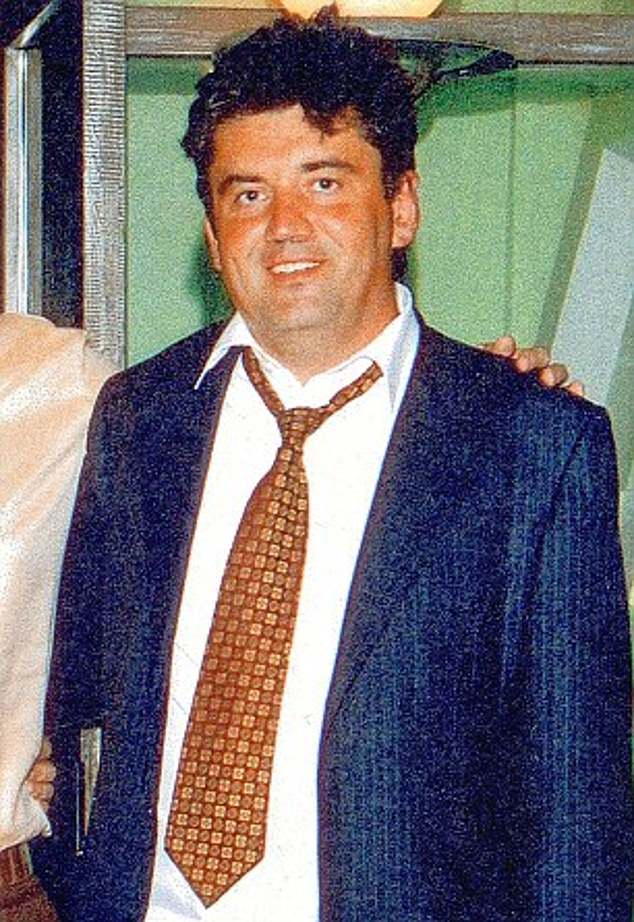
Perepilichny, a businessman who had reportedly uncovered significant organised crime and corruption within Russia, collapsed and died while jogging near his residence in Weybridge, Surrey. An inquest held six years after his death concluded that he had died of natural causes. However, the coroner noted the possibility of poisoning, citing the victim’s reported symptoms of vomiting.
Despite initial police assessments ruling out foul play, subsequent forensic analysis of Perepilichny’s stomach contents revealed traces of Gelsemium elegans, an ultra-rare poisonous plant. This discovery has fueled speculation about the true nature of his demise, especially when viewed alongside the recent allegations surrounding Navalny’s death.
The Navalny Case: A State-Sponsored Poisoning Allegation
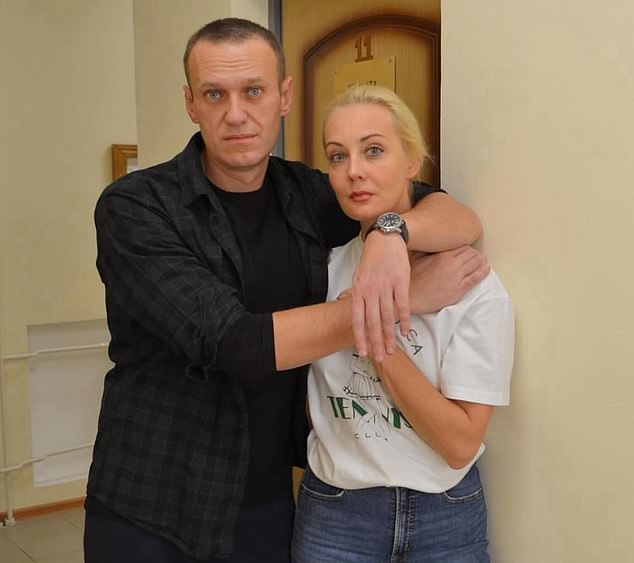
The international community has recently focused on the death of Alexei Navalny, a prominent Russian opposition leader. On Saturday, the United Kingdom, in conjunction with Sweden, Germany, the Netherlands, and France, formally accused the Russian state of being responsible for Navalny’s death. The 47-year-old died in a Siberian penal colony, having been sentenced to 19 years in prison on charges widely considered to be politically motivated. His death was officially announced on February 16, 2024, with his supporters immediately accusing the Kremlin of his murder due to the political threat he posed.
A joint statement from the five accusing nations highlighted that laboratory analyses of Navalny’s body had detected traces of epibatidine. Epibatidine is a potent toxin known to be present on the skin of South American dart frogs.
Echoes of a Past Tragedy: The Perepilichny Investigation
Bill Browder, a prominent critic of the Kremlin and a figure who assisted Perepilichny in exposing a substantial money-laundering operation in Russia, has drawn striking parallels between the two cases. Browder expressed his dismay at the initial handling of Perepilichny’s death.
He stated that the investigation into the poison used on Alexander Perepilichny in 2012 was hampered by the perceived haste of law enforcement authorities in Surrey to dismiss the death as non-suspicious. This, he argued, led to a failure to properly preserve crucial evidence.
Browder urged the UK government to reopen the case, citing the new evidence emerging from the Navalny poisoning and the “suspicious circumstances” surrounding Perepilichny’s death. He believes the original closure of the case, based on a “lack of crime,” was negligent.
The 2018 inquest into Perepilichny’s death had already brought to light a series of procedural failures by the police. These included the loss or disregard of vital evidence, such as the contents of Perepilichny’s stomach, which could have potentially altered the inquest’s conclusion. Furthermore, Surrey Police reportedly failed to review CCTV footage from the area where Perepilichny collapsed, missing an opportunity to gather visual evidence.
The Nature of the Poison
Epibatidine, the toxin identified in Navalny’s body, is a dangerous substance. Naturally occurring only on the skin of the Ecuadorian dart frog, its ingestion can lead to a agonizing death characterized by paralysis and respiratory arrest. It is also possible to produce epibatidine synthetically.
The similarities in the suspected use of potent, rare toxins in both cases have intensified calls for a thorough re-examination of the Perepilichny investigation.
Yulia Navalnaya, Alexei Navalny’s widow, has been a vocal advocate for accountability. On Sunday night, she reiterated her stance that Vladimir Putin must be held responsible for her husband’s death. She also expressed gratitude to Britain and its allies for their efforts in establishing the likely cause of Navalny’s death as a neurotoxin. The renewed focus on Perepilichny’s case suggests that the shadows of suspected state-sponsored assassinations may extend further back in time than previously acknowledged by UK authorities.