Campaigners Urge Government Action on Controversial Pregnancy Drug
Victims and their families affected by a controversial pregnancy drug are pressing the UK government for a full public inquiry and a dedicated NHS screening programme. The group DES Justice UK (DJUK) is scheduled to meet with Health Secretary Wes Streeting to highlight the ongoing impact of diethylstilbestrol, commonly known as DES.
DJUK, which has grown to over 500 members, comprises not only women who were prescribed the drug but also their children and grandchildren. These descendants have faced a range of serious health issues, including infertility, reproductive abnormalities, and an elevated risk of certain cancers.
What was DES and Why was it Prescribed?
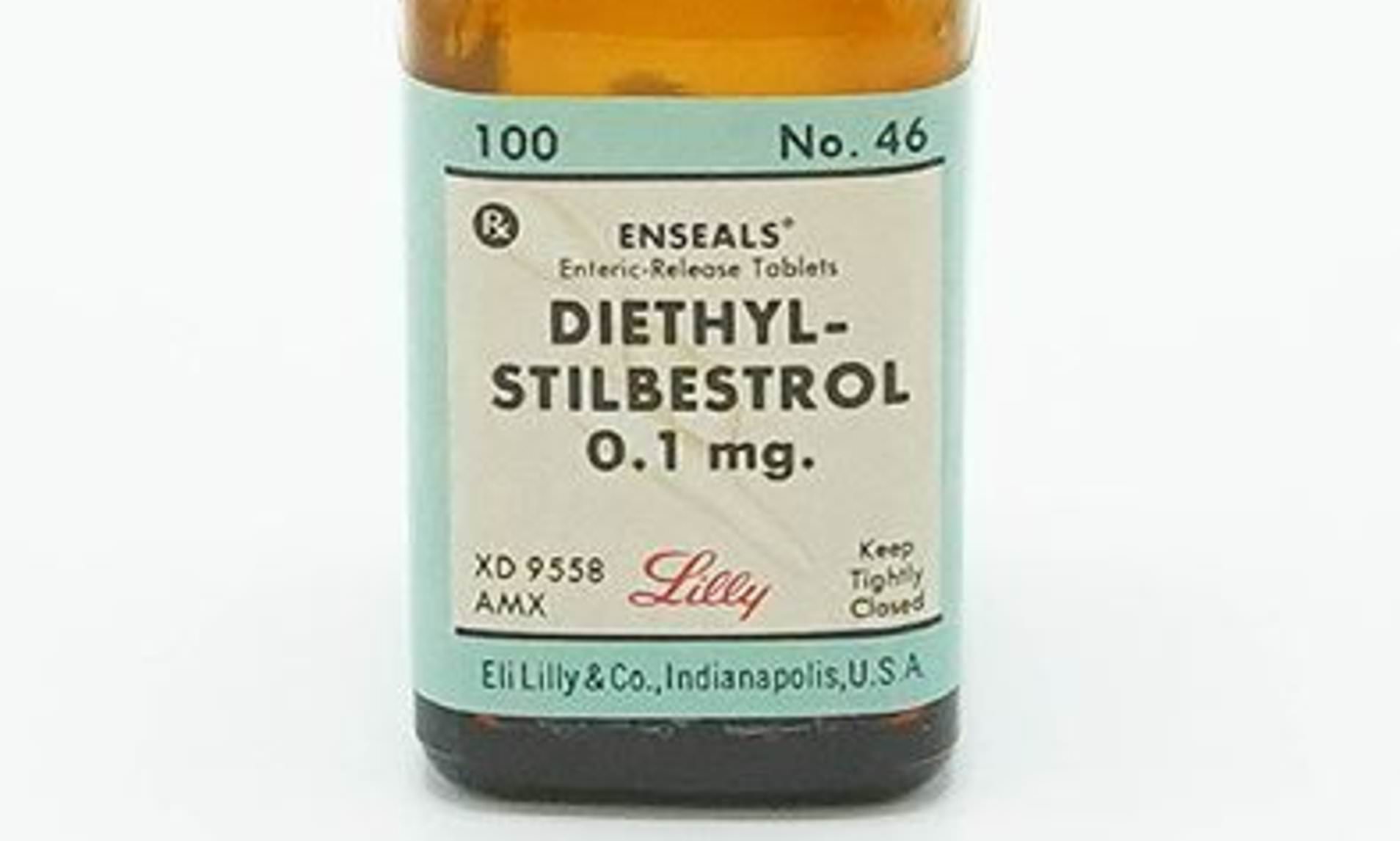
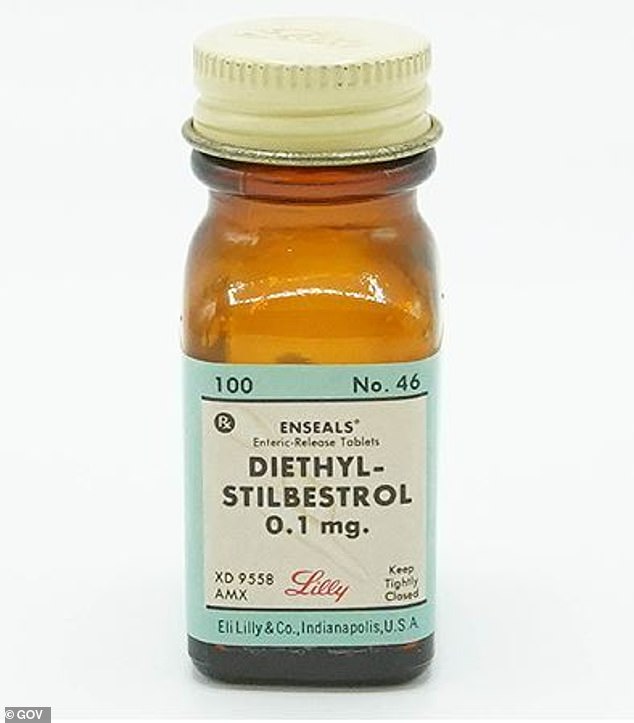
DES is a synthetic form of the female hormone oestrogen. It was widely prescribed to pregnant women in the UK and other countries from the 1940s through the 1970s. Its intended uses were varied:
- To prevent miscarriage and premature labour.
- To reduce complications during pregnancy.
- To suppress breast milk production after childbirth.
- As an emergency contraceptive.
- To alleviate symptoms associated with menopause.
It is estimated that approximately 300,000 women in the UK were prescribed DES over this nearly four-decade period.
The Unveiling of a “Silent Scandal”
The scientific understanding of DES’s risks began to emerge in 1971 when it was linked to clear cell adenocarcinoma, a rare and aggressive cancer affecting the cervix and vagina. This led to regulatory bodies in the United States advising against its use in pregnant women. However, its prescription to pregnant women continued in Europe until 1978.
Beyond cervical and vaginal cancers, DES has also been associated with an increased risk of other cancers, including breast, pancreatic, and further cervical cancers. The long-term consequences of exposure, particularly for those exposed in utero or through subsequent generations, have become increasingly apparent.
Calls for a Public Inquiry and Support
DJUK’s primary objective in meeting with Mr. Streeting is to advocate for a comprehensive public inquiry into the circumstances surrounding the prescription and widespread use of DES. This call for action comes after Mr. Streeting himself acknowledged in November that “the state got it wrong” and offered an apology to victims. He had previously encouraged individuals who suspect they may have been affected by DES to consult their General Practitioner (GP).
Susie Martin, a 55-year-old from Manchester whose mother was prescribed DES, has undergone between 20 and 30 operations due to the drug’s impact. She described the devastating and ongoing toll:
“The impact of this terrible drug cannot be underestimated as it has ruined and devastated so many lives, including my own. The physical and emotional pain has been unbearable. I always have this impending doom hanging over me that I will need further surgeries or develop cancer, and I am far from the only one. This has been the silent scandal for too long and I am grateful to my legal team that our voices are finally being heard.”

Martin emphasised the need for concrete action beyond a meeting: “While I am pleased that Mr. Streeting is meeting us, it will only be significant if he actually pledges to do something for the victims of this shameful period in British medical history, including a screening programme and a full statutory public inquiry.”
Clare Fletcher, a partner at Broudie Jackson Canter, who represents DJUK, echoed these sentiments, highlighting the magnitude of the issue: “This is one of the biggest pharmaceutical scandals this country has ever seen and we are demanding answers as to how this drug could have been prescribed to so many for so long.”
Fletcher stressed the importance of a statutory public inquiry to uncover the full truth, stating: “The only way to get the truth is with a statutory public inquiry and I hope Mr. Streeting will listen to us and give us the far-reaching investigation this scandal needs.” She also pointed out that the injustice is not merely historical: “The fact is that this isn’t a historic injustice as women and men continue to suffer today. It is a national disgrace that victims have been ignored, disbelieved and humiliated when all they wanted was fair treatment. It is time that they finally received some justice.”
International Precedents and UK’s Current Position
While compensation schemes have been established for DES victims in the United States and the Netherlands, the UK currently lacks a similar provision.

A spokesperson for the Department of Health and Social Care acknowledged the severity of the situation: “There are harrowing accounts of harm caused by the historic use of Diethylstilbestrol (DES). Some women and their relatives are still suffering from the associated risks of this medicine which have been passed down a generation, and haven’t been supported.”
The spokesperson further stated that the Secretary of State is “looking seriously at this legacy issue and carefully considering what more the government can do to better support women and their families who have been impacted.” Efforts to raise awareness within the healthcare system have also been made, with NHS England alerting all cancer alliances to the issue. This aims to ensure healthcare professionals are aware of DES’s impacts and the existing NHS screening guidance for individuals exhibiting signs and symptoms of exposure.