Modernizing Agriculture: A Path to Food Security and Economic Growth in Pakistan
Pakistan faces a critical juncture in its agricultural sector. With dwindling arable land, stagnant per-acre yields, and growing concerns about food security for an ever-expanding population, the nation must embrace mechanization and advanced agricultural practices. This was the central theme during a recent visit by a delegation of experts from the University of Agriculture Faisalabad (UAF) to the model farms of former Livestock Minister and progressive farmer, Mumtaz Khan Manais, in Tibba Sultanpur, Vehari.
The UAF delegation, led by Vice Chancellor Prof. Dr. Zulfiqar Ali, toured various aspects of Manais’s innovative farming operations. Their inspection included citrus orchards, cotton and onion fields, livestock facilities, wheat cultivation, fisheries, and biogas plants, providing a comprehensive overview of a modern, diversified agricultural enterprise.
Addressing the Farmer Drain and Boosting Productivity
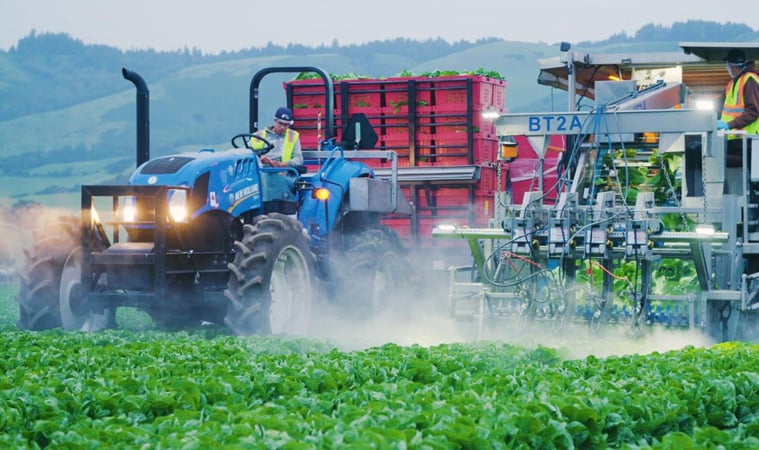
A significant concern highlighted by Mumtaz Manais is the declining interest among the younger generation in pursuing farming as a career. He emphasized that mechanization is not merely a technological upgrade but a crucial strategy to conserve resources, significantly enhance productivity, and effectively manage pest infestations.
Manais urged the UAF experts to translate their knowledge into actionable policy recommendations that will pave the way for agricultural prosperity across the nation. He stressed the importance of practical, field-based training for students of agricultural sciences, asserting that this would equip them with a deeper understanding of the challenges faced by farmers on the ground. Despite Pakistan’s advantage of four distinct seasons, Manais lamented the nation’s failure to fully harness the agricultural potential offered by this natural asset.
Unlocking the Potential of the Livestock Sector
The livestock sector, in particular, holds immense promise for revitalizing Pakistan’s economy. Manais pointed out the staggering global market for halal meat, estimated at $300 billion, while Pakistan’s current share remains a modest $300 million. This stark disparity underscores a significant opportunity for growth and economic contribution.
A Model for the Future of Farming
UAF Vice Chancellor Prof. Dr. Zulfiqar Ali lauded Manais’s farm as an exemplary model for the wider farming community. He described it as a testament to the successful integration of mechanization and cutting-edge agricultural practices.
Dr. Ali reiterated that agriculture forms the bedrock of Pakistan’s economy, contributing approximately 23 percent to the Gross Domestic Product (GDP). He acknowledged the pressing need for innovative interventions to address the challenges posed by shrinking agricultural land and deteriorating soil health, especially in light of increasing population demands. Dr. Ali expressed confidence that the adoption of the latest agricultural practices can not only boost productivity but also transform agriculture into a more profitable sector. He also commended the government’s ongoing efforts to support farmers and advance the agricultural sector.
The UAF’s commitment, as articulated by Dr. Ali, is multifaceted:
- Ensuring national food security.
- Producing tangible and impactful research.
- Driving technological development.
- Cultivating a skilled and trained agricultural workforce.
- Implementing effective outreach programs to disseminate knowledge and best practices.
The UAF delegation comprised a robust team of specialists, including: Dr. Shahid Mehmood, Dr. Babar Shahbaz, Dr. Rao Zahid Abbas, Dr. Asif Kamran, Dr. Azeem Iqbal, Dr. Ahmad Sattar, Dr. Waseem Akram, Dr. Nadeem Akbar, Dr. Muhammad Tehseen Azhar, Dr. Anwarul Haq, Dr. Abdur Rehman, Dr. Zain Ul Abdin, Dr. Iftikhar Ahmad, Dr. Muhammad Aslam, Dr. Muhammad Sharif, Dr. Nadeem Abbas, Dr. Hammad Badar, Dr. Muhammad Naveed, Dr. Shafia Gul, Dr. Bushra Sadia, Dr. Humaira Razzaq, Dr. Rashad Rasul, Dr. Muzammil, Dr. Fahad Rasheed, Dr. Muhammad Azam, Dr. Waseem, Dr. Saddam Hussain, Dr. Atiq, and Dr. Furqan Asghar, among others.
The team’s firsthand observation of the advanced agricultural techniques employed at Manais’s model farm led them to praise the progressive steps being taken to modernize farming in the region. This visit marks a significant step towards fostering collaboration and innovation in Pakistan’s vital agricultural sector.